
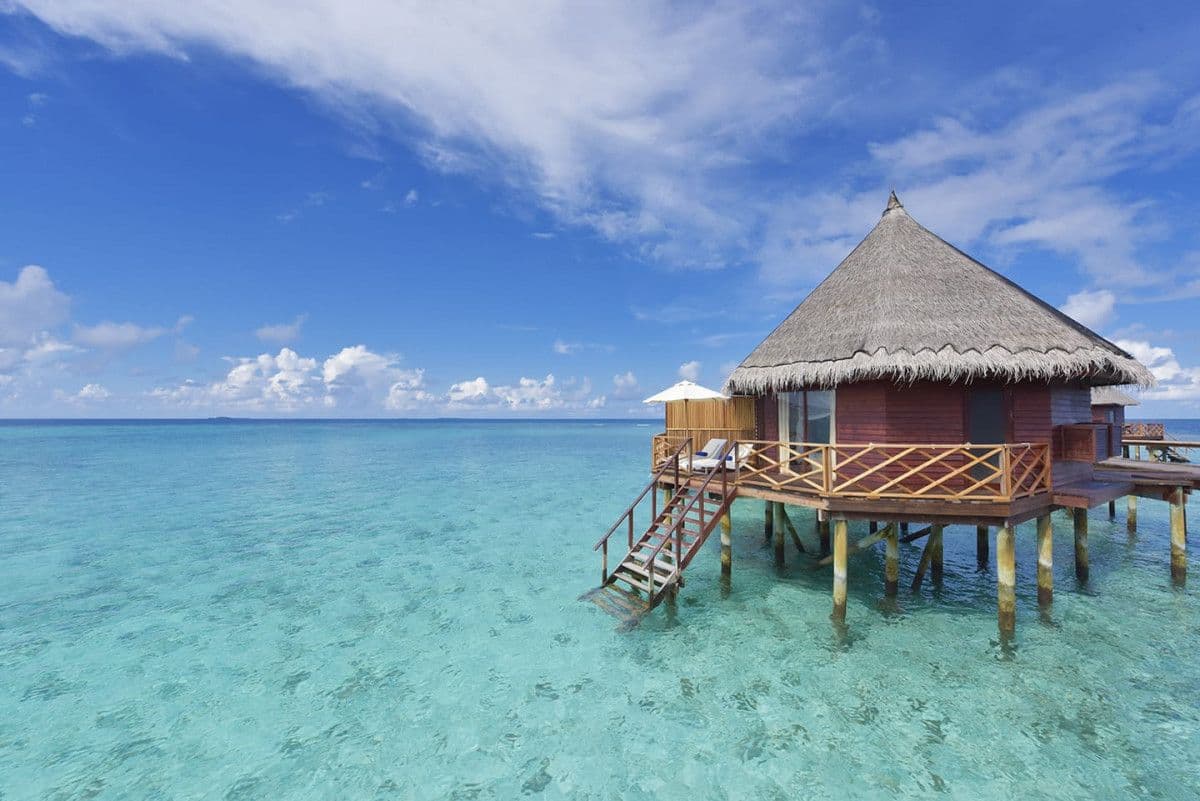
Most Maldives trips die on the first search. You look up a Maldives tour package, find a five-night resort deal, see a price close to what a small car costs, and close the tab.
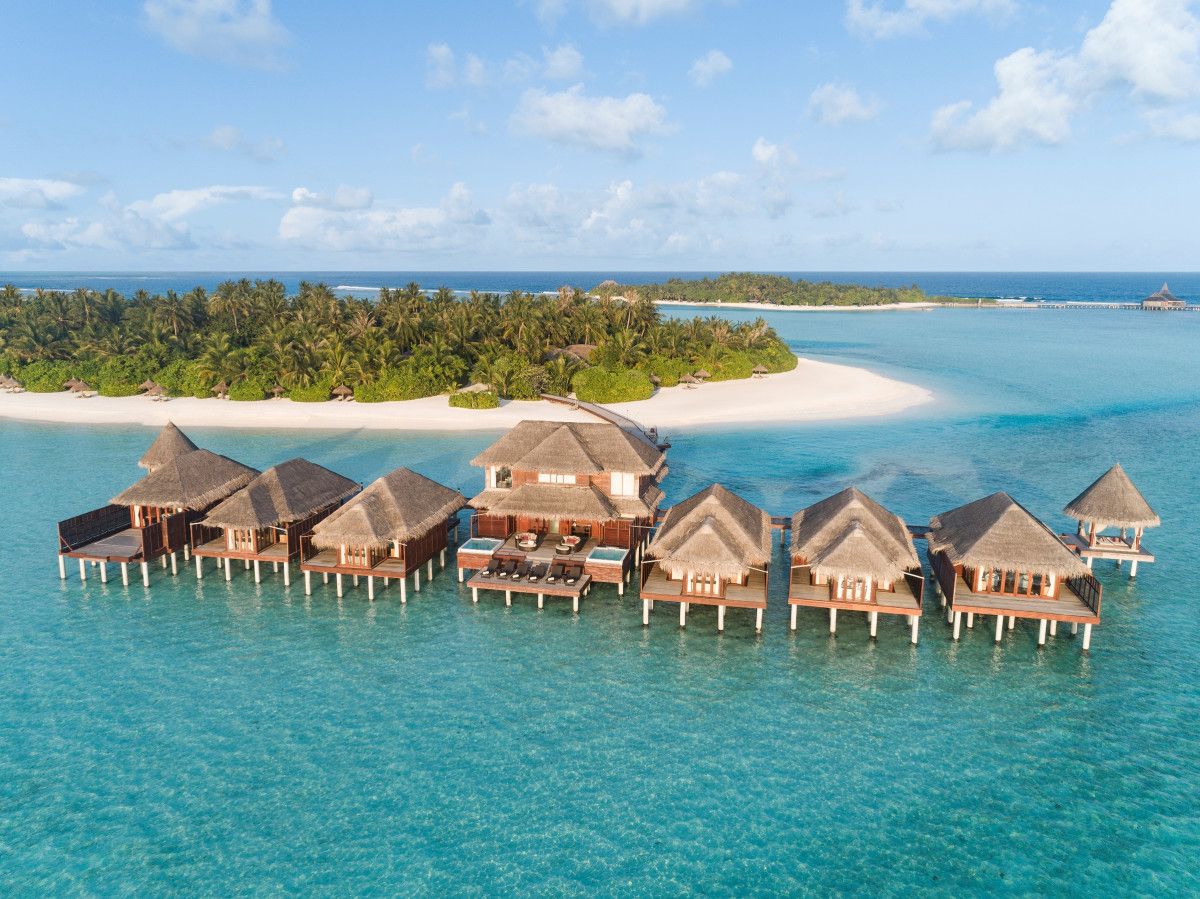
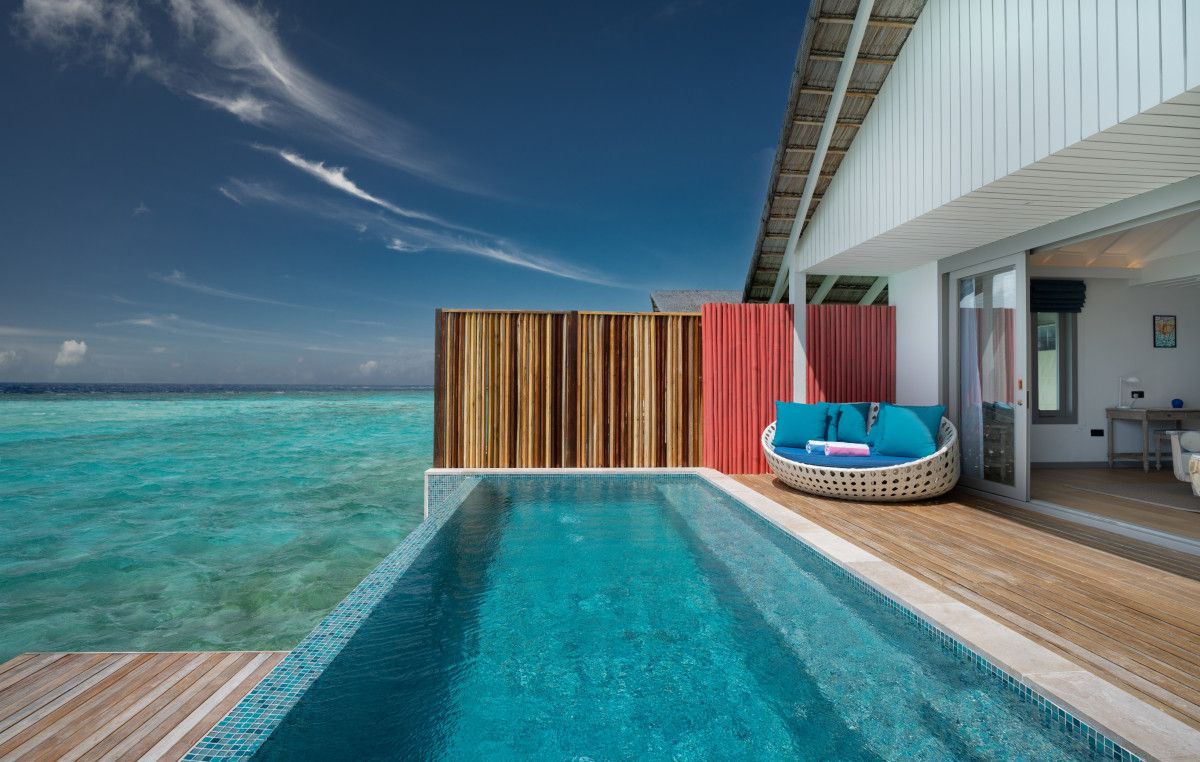
Fair enough. Almost every photo of the Maldives shows the same thing: a villa on stilts over clear water, usually priced at $1,000 (about ₹95,000) a night or more. If that were the only option, most of us would skip it.
It isn't the only option, though. The Maldives has 26 atolls and over 1,000 islands, and a lot of them have nothing to do with resorts. People live there. Fishing boats come in every afternoon, kids play football on sand streets, and the local café serves tuna curry for breakfast. In 2009 the government started letting these islands open guesthouses, and today you can stay on one for about $50 to $150 (roughly ₹4,800 to ₹14,300) a night. You're swimming on the same reefs the resorts sell, for a small slice of the price.
The hard part is choosing where to go. Maybe you're planning a first trip, weighing up a Maldives honeymoon package, or putting together your own route. Either way, the islands you pick will shape the whole holiday. Below are 15 places I'd put on any list, grouped by atoll so they actually fit together on a map. There's also a section on the best time to visit Maldives, island by island.
Quick Takeaways
First trip: start in Kaafu Atoll. Maafushi, Thulusdhoo, Gulhi and Dhiffushi are all close to the airport.
Whale sharks: go to Dhigurah in South Ari Atoll.
Manta rays: Hanifaru Bay in Baa Atoll, roughly June to November.
Shark diving: Rasdhoo for hammerheads, Fuvahmulah for tiger sharks.
Peace and quiet: Fulhadhoo, Fehendhoo or Gulhi.
Short layover: Malé's old mosques and fish market are minutes from the airport.
Best time to visit Maldives: November to April for sun and calm water, May to October for lower prices and mantas.
Stick to one or two neighbouring atolls. Each trip back to Malé costs you a day and more transfer money.
How the Places Are Grouped
You can't move around the Maldives the way you'd move between towns. Islands inside one atoll are usually linked by ferry or speedboat. Islands in different atolls often aren't, so you end up going back to the airport near Malé and heading out again.
That's the main problem with a lot of Maldives tour packages. They throw islands from three different atolls into one week, and you spend a big chunk of it on boats. Keeping your stays close together fixes that.
The 15 places fall into five areas:
Kaafu Atoll (North and South Malé), the closest to the airport
Ari Atoll, west of Malé, where most of the big marine life is
Baa Atoll, north of Malé and a UNESCO Biosphere Reserve
Malé and Hulhumalé, the capital and the airport city
The Deep South, Fuvahmulah and Addu, which you reach by domestic flight
Kaafu and Ari fit nicely into one trip. Baa and the deep south are better as stays of their own.
Kaafu Atoll: Close to the Airport and Easy for a First Trip
1. Maafushi
Maafushi was one of the first local islands to take guesthouse guests, and it's still the busiest. The main street is packed with small hotels, cafés, dive shops and tour desks. There's also a bikini beach, a stretch set aside where you can wear normal swimwear.
If you want plenty to do and don't feel like planning much, stay here. Boats go out every day for dolphin watching, snorkelling with nurse sharks, sandbank picnics and fishing at sunset. With so many operators fighting for business, trip prices stay fair.
It's not remote, and in peak season it can get crowded. For two to four nights of easy activity, though, it works really well. Shared speedboats from Malé take about 45 minutes and usually cost $25 to $35 (₹2,400 to ₹3,300) each way. Good for first-timers and groups of friends.
2. Thulusdhoo
Thulusdhoo is slower and has a surf-town feel. Two well-known breaks, Cokes and Chickens, sit right off the island, and surfers fly in for them, mostly between March and October.
Non-surfers like it too. The pace is relaxed, the bikini beach on the far side is calm, and you'll probably see dhonis (traditional wooden boats) being built or patched up near the harbour.
Ask anyone on the island and they'll tell you about the Coca-Cola plant, which makes its drinks from desalinated seawater. It takes 30 to 40 minutes to get here by speedboat from Malé, and it suits surfers and couples who want something low-key.
3. Gulhi
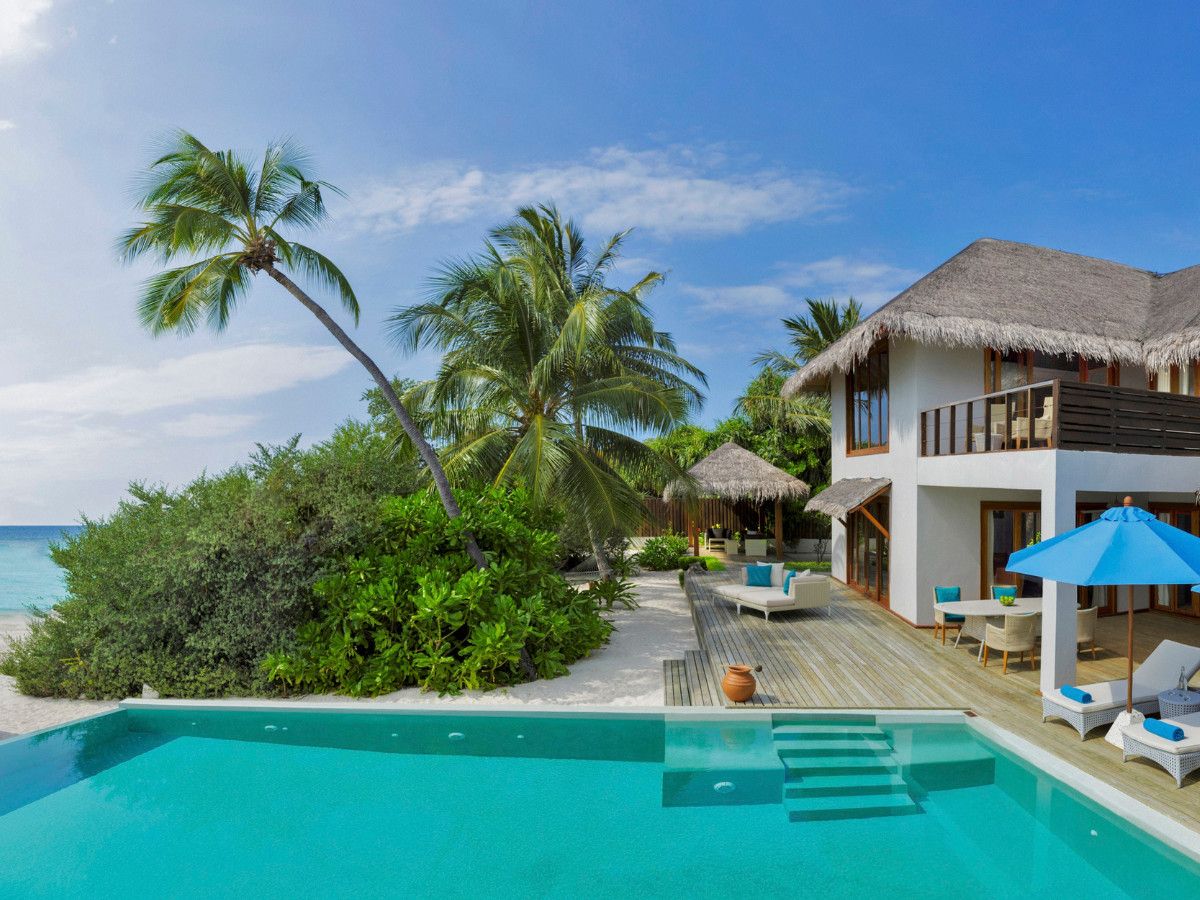
Gulhi is a small, quiet island near Maafushi. You can do the same boat trips without the crowds, which is why a lot of people choose it. The bikini beach is one of the best in the atoll, with soft sand and a shallow lagoon where you can float for hours.
There's no nightlife to speak of. Couples who want a cheaper alternative to a resort-only Maldives honeymoon package often end up here for that reason. It's 30 to 40 minutes from Malé by speedboat.
4. Dhiffushi
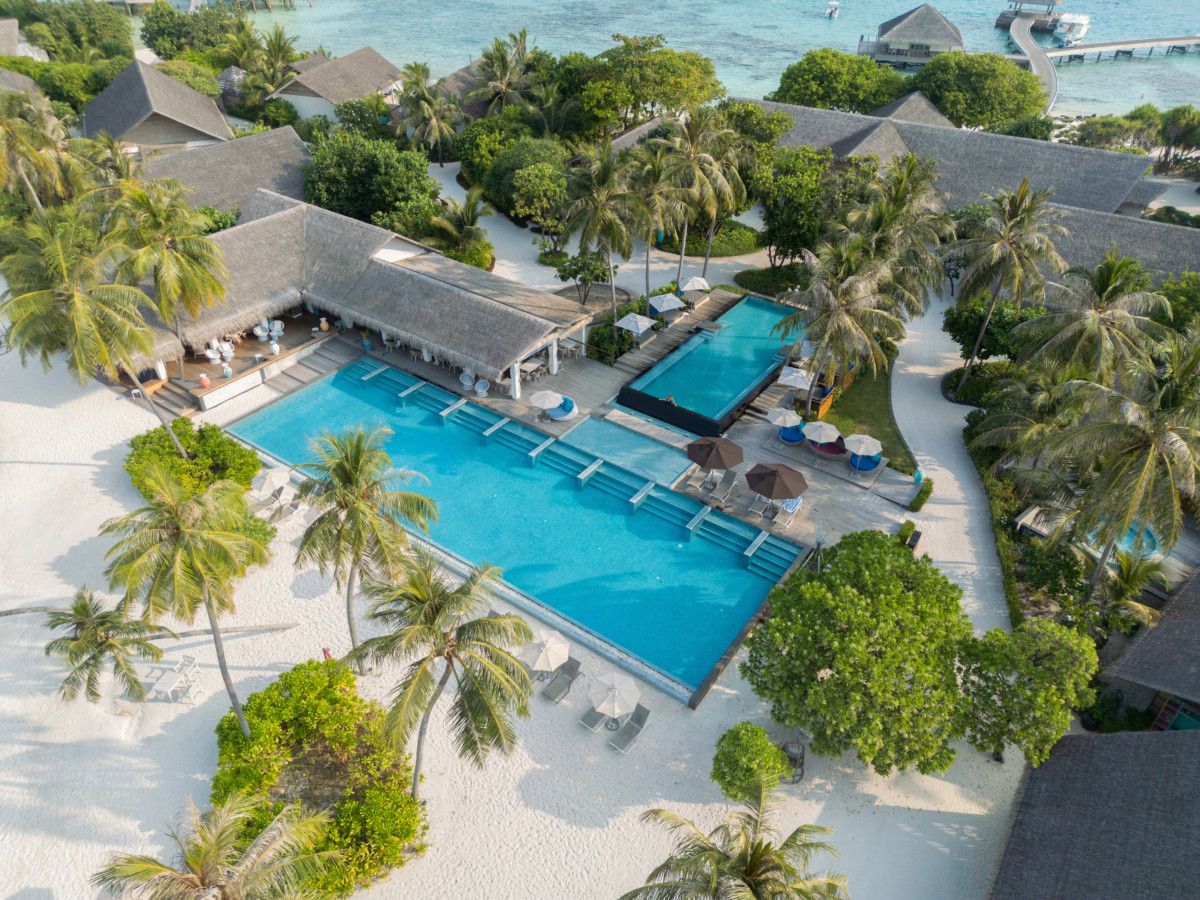
Dhiffushi is on the eastern edge of North Malé Atoll, so it gets good sunrises. The lagoon is shallow, often a metre or two deep, and you can see reef fish and stingrays just by wading out from the beach.
It's friendly, calm and less touristy than Maafushi. Speedboats take 45 minutes to an hour from Malé. Pick it if you want slow mornings and easy snorkelling.
If you're stuck choosing between these four: Maafushi for things to do, Thulusdhoo for surf, Gulhi for the beach, Dhiffushi for quiet.
Ari Atoll: Whale Sharks, Hammerheads and Sandbanks
Ari takes longer to reach, usually 1.5 to 2 hours from Malé by speedboat. Most of the Maldives' best-known marine life is here, so the extra hour pays off.
5. Dhigurah
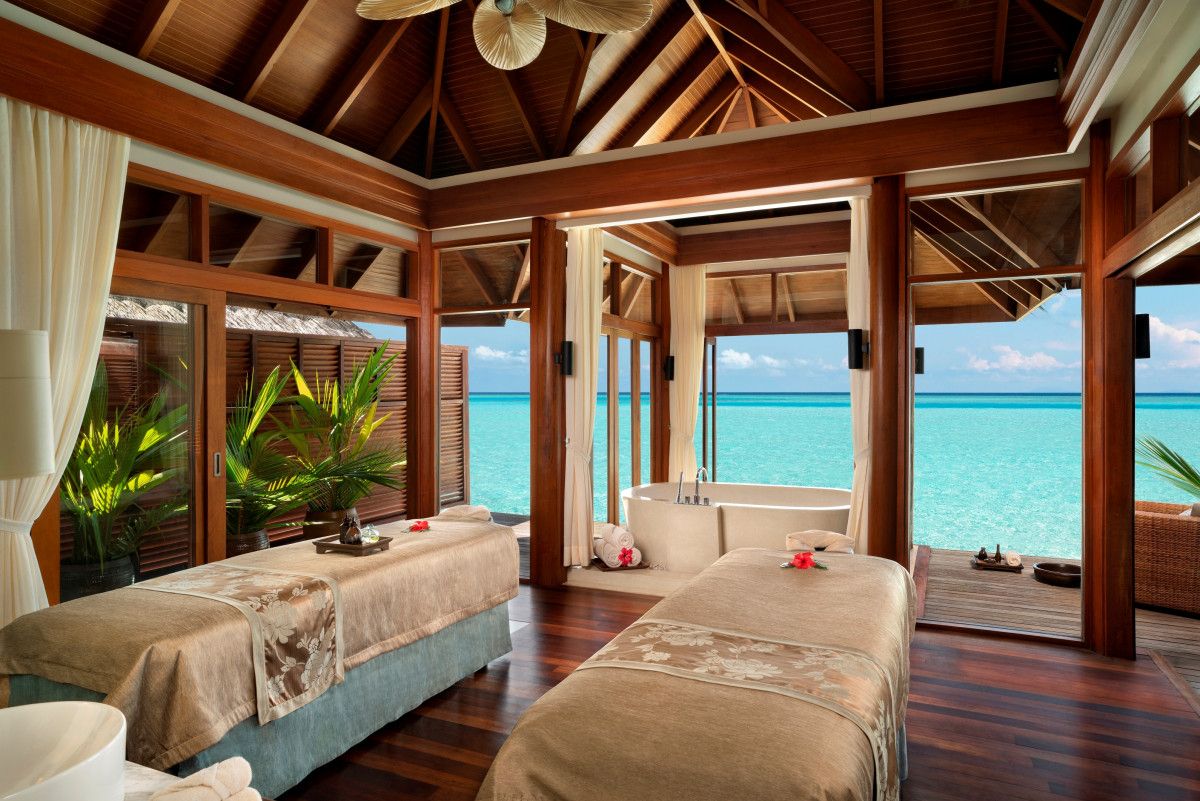
Dhigurah is where people go for whale sharks. It lies inside the South Ari Marine Protected Area, one of the most reliable spots anywhere to see them, and they're around all year. Boats head out daily, and your chances are good.
The island is long and skinny, about 3.5 km end to end. At low tide you can walk out onto a sandbank at the southern tip. Go early, before the heat sets in, and there's a decent chance nobody else will be there. It suits snorkellers and anyone who cares more about wildlife than nightlife.
6. Ukulhas
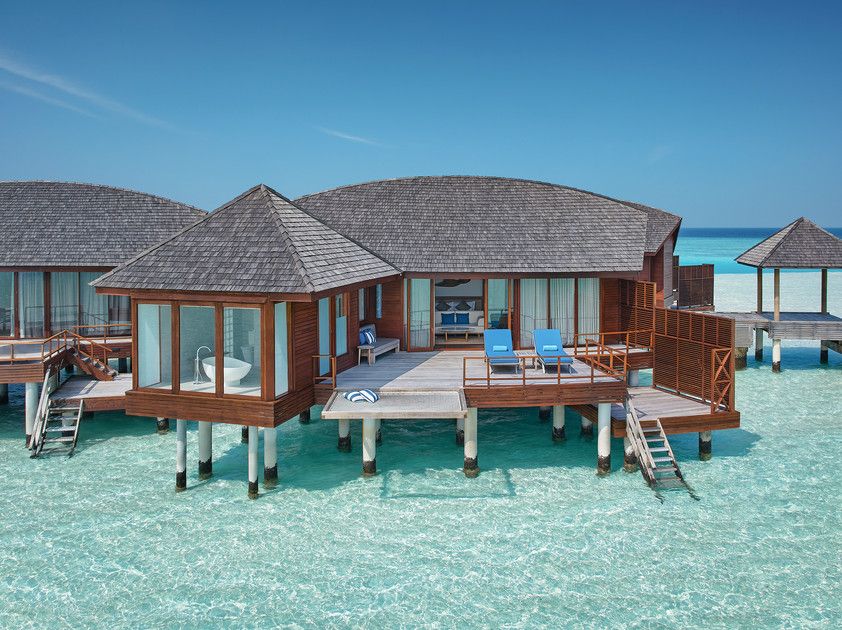
Ukulhas, in North Ari, is known as one of the cleanest local islands in the country because of how well it handles waste. The streets are tidy and the beach is clean, which isn't always the case elsewhere.
The house reef is a short swim from the shore, so you can snorkel whenever you like without booking a trip. It's about 1.5 hours from Malé and a solid all-round pick, especially for couples.
7. Thoddoo
Much of Thoddoo is farmland, which makes it unlike almost anywhere else in the country. Maldivians know it for watermelons and papayas. Rent a bike and ride past the fields; after a few days of only sand and water, it's an odd and nice change.
There's a good bikini beach and a reef close to shore, and you get to see a part of island life that isn't built around visitors. It's roughly 1.5 hours from Malé and works well for families.
8. Rasdhoo
Rasdhoo is a small atoll on the edge of Ari, and divers come for one site: Madivaru, often called Hammerhead Point. On dawn dives, schools of hammerhead sharks sometimes cruise along the reef, mostly between about November and April.
This dive is for experienced divers only, since it's done early in open water. If you don't dive, there's easy snorkelling and a quiet village to wander. It's 1 to 1.5 hours from Malé.
Baa Atoll: Manta Rays and Protected Reefs
Baa is a UNESCO Biosphere Reserve, and a lot of its reef is protected. Most visitors fly to Dharavandhoo on a short domestic flight, though you can also come by speedboat.
9. Hanifaru Bay (and Dharavandhoo)
Most people come to Baa for Hanifaru Bay. Between roughly June and November, currents push plankton into the bay and manta rays come in to feed. Some days you'll see a few dozen. On the best days there can be more than a hundred.
Visits are strictly managed. Your time in the water is limited, groups are kept small, and you can only snorkel inside the bay, not dive. Those rules are a big reason the mantas keep returning.
Stay on Dharavandhoo. It has Baa's domestic airport and plenty of guesthouses that book Hanifaru trips.
10. Fulhadhoo
Fulhadhoo might be the quietest place on this list. Only a couple of hundred people live here, and the beaches go on for a long way with hardly anyone on them.
There are a handful of guesthouses and not much else. Bring a book and plan on doing very little.
11. Fehendhoo
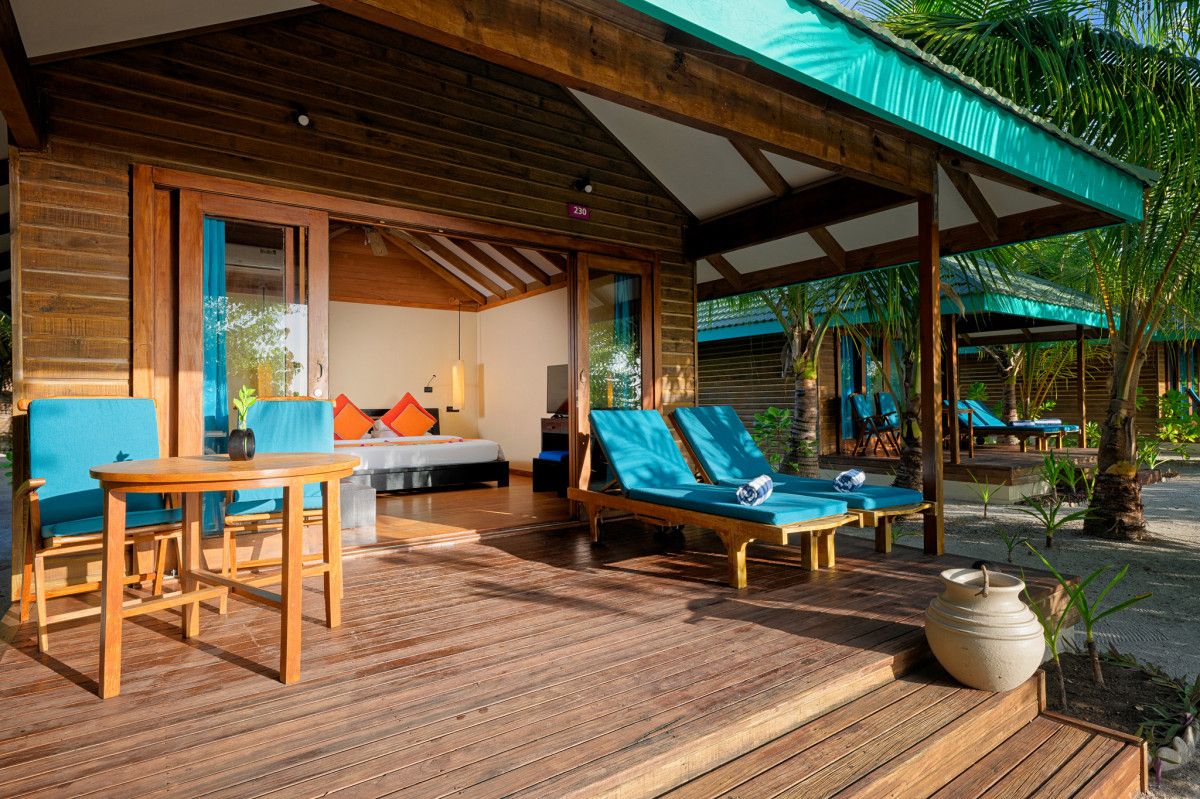
Fehendhoo, next door to Fulhadhoo, is just as small. Some nights, depending on the season and the moon, bioluminescent plankton makes the shallow water glow when you move through it. You can't count on it, but people who see it tend to talk about it for years.
One thing on the reefs in Baa and everywhere else: don't touch or stand on coral, and keep a respectful distance from mantas, turtles and sharks.
Malé and Hulhumalé: The City Side
12. Malé City
Most visitors only see Malé from a speedboat. That's a pity, because it's a lively, crowded capital you can walk in a couple of hours.
A few stops worth making:
Old Friday Mosque (Hukuru Miskiy), built in the 17th century from carved coral stone
Grand Friday Mosque, whose gold dome you can see from most of the city
Sultan Park, a shady spot to get away from the traffic
Malé Fish Market, loud and busy, especially late in the afternoon when the boats come in
For breakfast, find a local café and order mas huni: tuna, grated coconut, onion and chilli, eaten with flatbread. It costs very little and keeps you going until lunch.
13. Hulhumalé
Hulhumalé is a newer city on reclaimed land, about 10 minutes from the airport. It has a long beach promenade, parks, cafés and a lot of budget hotels.
If your flight lands late or leaves early, sleep here. The beachfront is also a pleasant place for an evening walk.
The Deep South: Further Out and Worth It
You'll need a domestic flight from Malé for these two. They're a good choice for a second trip, or if you want fewer tourists.
14. Fuvahmulah
Fuvahmulah is one island that makes up an entire atoll on its own. Divers know it for Tiger Zoo, a site where tiger sharks turn up regularly all year. Thresher sharks and other big species show up too.
On land there are freshwater lakes and wetlands, which you won't see on most Maldivian islands. It's greener and rougher around the edges than the islands up north.
15. Addu City
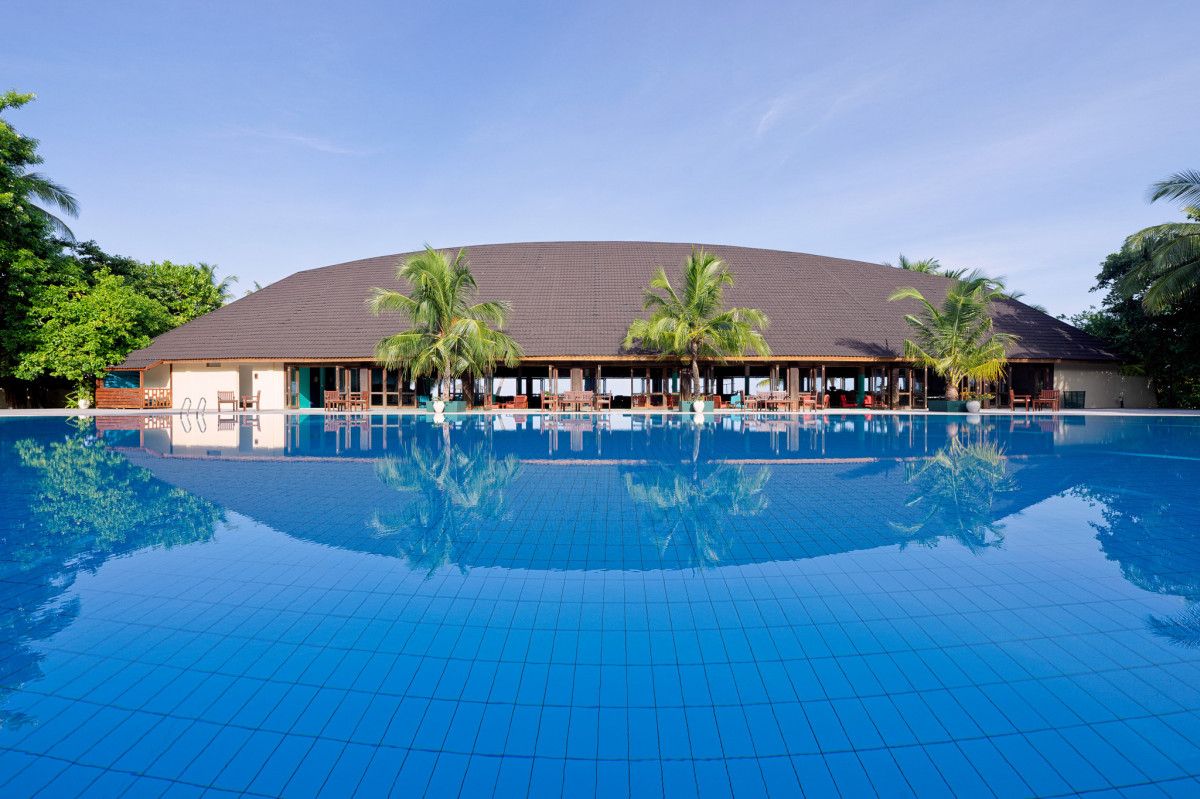
Addu is the southernmost atoll. A road and causeways about 14 km long join several of its islands, so you can rent a bicycle and actually get somewhere, which you can't do in most of the country.
Gan Island has remains of an old British military base going back to the Second World War. The reefs around Addu are in good shape, and the British Loyalty wreck is a well-known dive.
Best Time to Visit Maldives (Place by Place)
The country has two main seasons, and the best time to visit Maldives depends on which islands you're heading to.
November to April is the dry season. Expect sunny days, calm seas and clear water. It's also peak season, so rooms fill up and prices rise. If you're going over Christmas or New Year, book early.
May to October is the wet season. There's more rain and wind, but showers often pass quickly. Prices fall, and you'll usually find cheaper Maldives tour package deals in these months.
How that lines up with the places above:
Dhigurah (whale sharks): any time of year
Hanifaru Bay (manta rays): about June to November
Rasdhoo (hammerheads): about November to April
Thulusdhoo (surfing): about March to October
Fuvahmulah (tiger sharks): any time of year
Maafushi, Gulhi and Dhiffushi (beach days): November to April for the calmest, sunniest weather
For a honeymoon, February to April is a good window. The weather is dry, the water is warm, and it's less crowded than December.
Which Place Suits Your Trip?
First visit, short trip: Maafushi or Gulhi
Honeymoon on a budget: a few nights on Gulhi, Dhiffushi or Ukulhas, then two or three at a resort. It feels like a Maldives honeymoon package and costs a lot less.
Marine life first: Dhigurah, then Hanifaru Bay in season
Serious diving: Rasdhoo and Fuvahmulah
Total quiet: Fulhadhoo or Fehendhoo
Layover or transit day: Malé and Hulhumalé
Somewhere your friends haven't been: Addu City
Wrapping Up
You can do a lot in the Maldives without ever booking an overwater villa. Surf off Thulusdhoo, snorkel with whale sharks near Dhigurah, watch mantas feed at Hanifaru Bay, cycle across Addu, and eat mas huni for breakfast in Malé.
Before you book the first Maldives tour package that pops up, open a map. Choose one or two atolls, pick islands that match what you enjoy, plan around the season, and stay long enough in each place to settle in. You'll come back with a very different trip from the one in the brochures.
Frequently Asked Questions
What is the best place to visit in the Maldives for first-timers?
Maafushi in Kaafu Atoll. It's close to the airport, has lots of guesthouses, and runs daily trips for snorkelling, dolphins and sandbanks. For something calmer, try Gulhi.
What is the best time to visit Maldives?
November to April for sunshine and calm seas. May to October has more rain, but prices are lower and it's the best time for manta rays in Baa Atoll.
Which islands are best for a Maldives honeymoon?
Gulhi, Dhiffushi and Ukulhas are quiet, pretty and affordable. Lots of couples spend a few nights on one of them and then move to a resort for two or three nights. That usually costs far less than a resort-only Maldives honeymoon package.
Which island in the Maldives is best for seeing whale sharks?
Dhigurah in South Ari Atoll. It sits in a marine protected area where whale sharks are seen year-round.
Where can you see manta rays in the Maldives?
Hanifaru Bay in Baa Atoll is the best-known spot, with the largest groups between about June and November. Stay on Dharavandhoo to be close by.
Which Maldives islands are the most peaceful?
Fulhadhoo and Fehendhoo in Baa Atoll are tiny and very quiet. Gulhi and Dhiffushi in Kaafu Atoll are calm and closer to the airport.
Is Malé worth visiting?
Yes, even for a few hours. The Old Friday Mosque, the fish market and a local breakfast show you everyday Maldivian life in a way a resort can't.
How much do local island guesthouses cost?
Usually about $50 to $150 (roughly ₹4,800 to ₹14,300) a night, depending on the island and the season. Taxes and service charges are often added on top, so check the final price before you book.
Planning this trip?
Tell us what you have in mind and a Many2Go consultant will get back to you with a tailored plan for Maldives.