Ask ten people about their April trip to Thailand and you'll hear two very different stories. Some came back saying it was the best week of their lives, soaked from head to toe for three straight days of Songkran. Others spent half the trip in a mall food court because it was 39°C outside and the sky over Chiang Mai looked like fog that never lifted.
Both groups are telling the truth. Where they went and how they handled the heat made most of the difference.
If you're planning a trip to Thailand in April, or comparing Thailand tour packages for that month, this guide covers Songkran, which coast to pick for beaches, how hot it gets, the smoke up north, and the costs that catch first-timers off guard.
Quick takeaways
Songkran runs April 13 to 15 every year. Trains, sleeper buses and ferries sell out weeks before, so book intercity transport 4 to 6 weeks ahead.
April is Thailand's hottest month. Do your outdoor sightseeing before 10 AM or after sunset.
For beaches, go to the Gulf side (Koh Samui, Koh Phangan, Koh Tao) rather than Phuket or Krabi.
Chiang Mai, Chiang Rai and Pai often have hazardous air in March and early April because of crop burning.
Don't rent a scooter during Songkran. Use trains, Grab or Bolt.
Mid-range travelers should budget around 2,150 to 3,600 THB a day. The north costs much less than the islands.
What to do in Thailand in April
Most lists of things to do in Thailand ignore the season, but in April the heat decides a lot of your plans. These are the things that still work well this month.
1. Get soaked at Songkran (April 13 to 15)
Songkran is the traditional Thai New Year. The water fights grew out of the idea of washing away bad luck and starting the year clean.
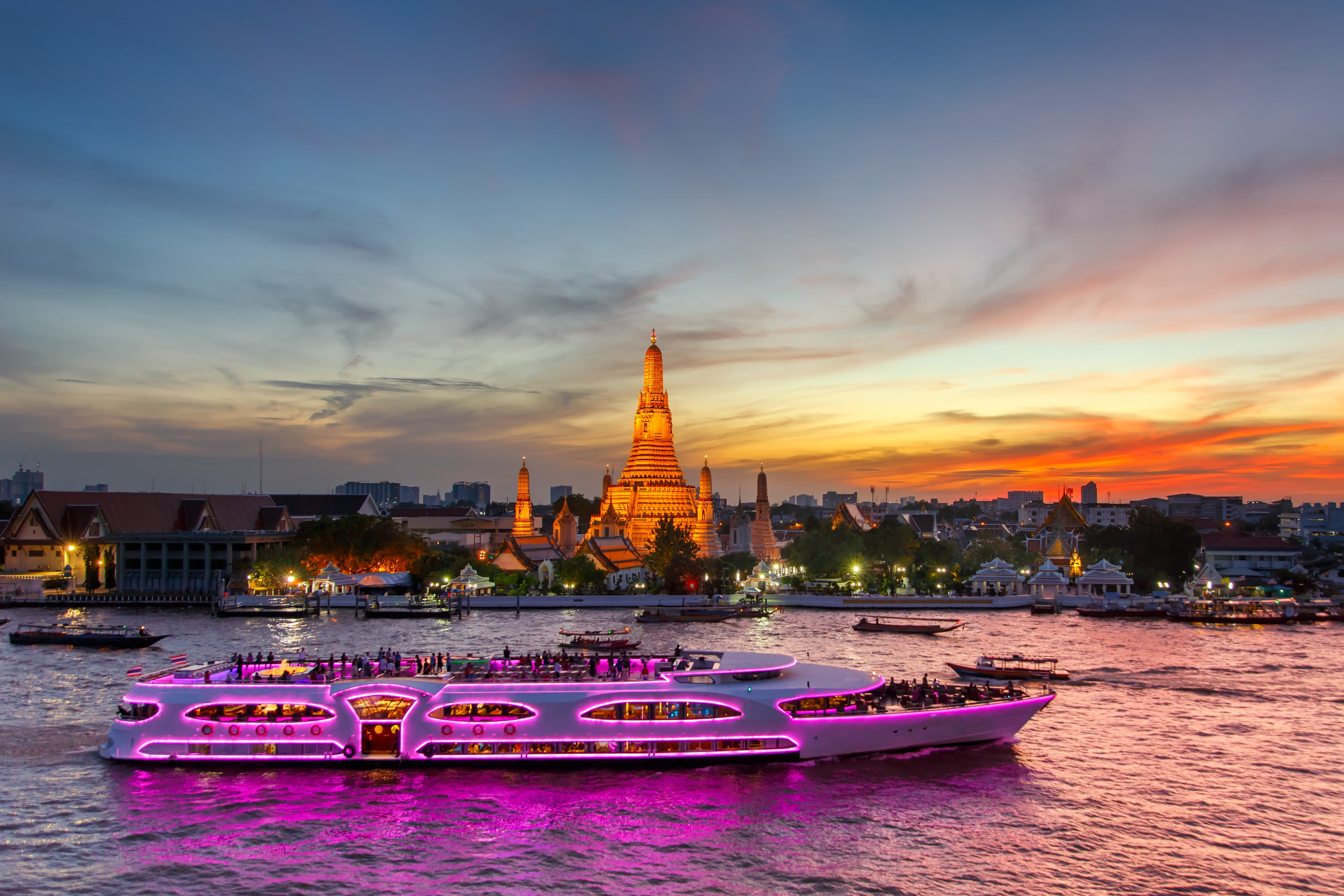
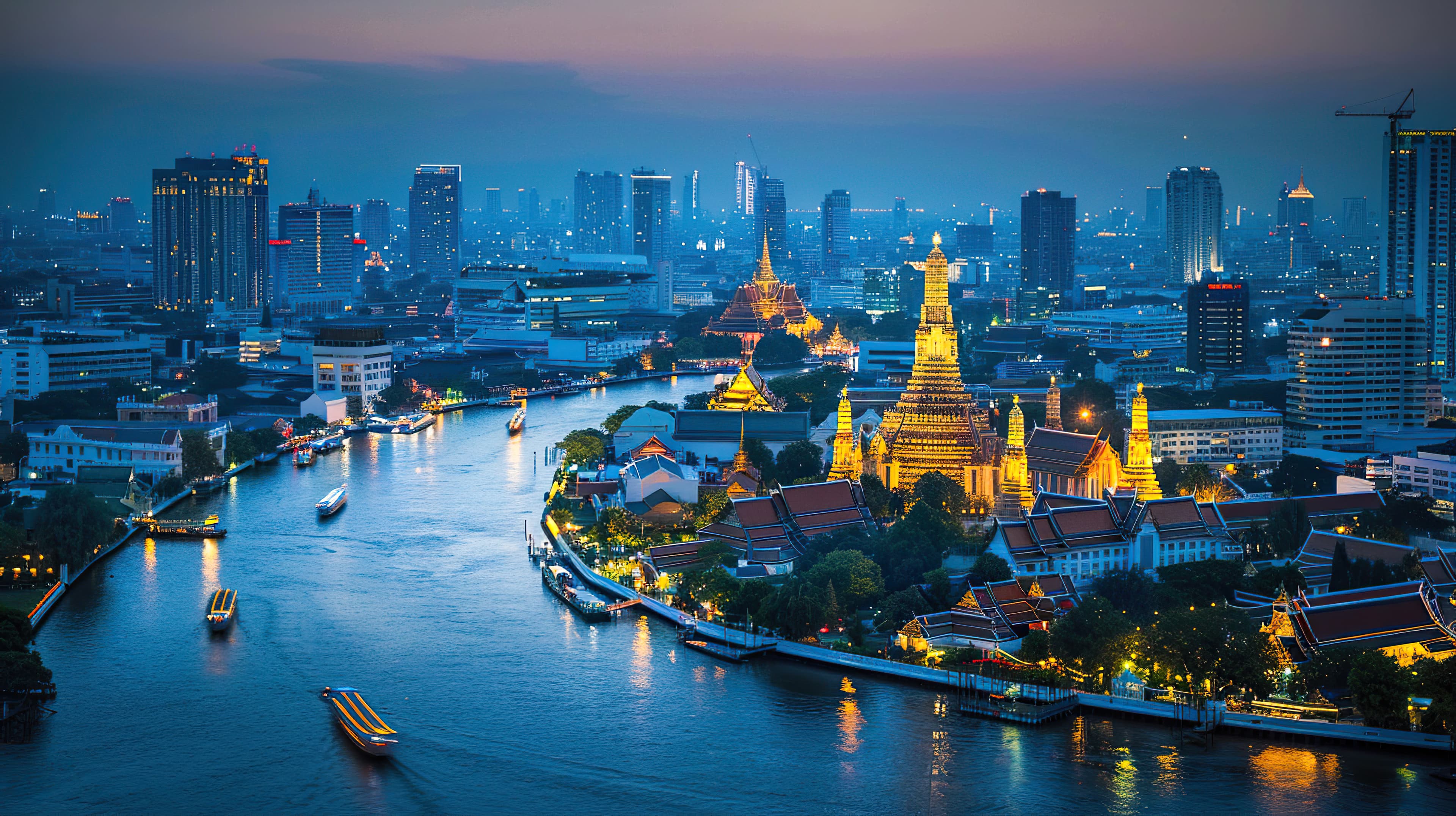
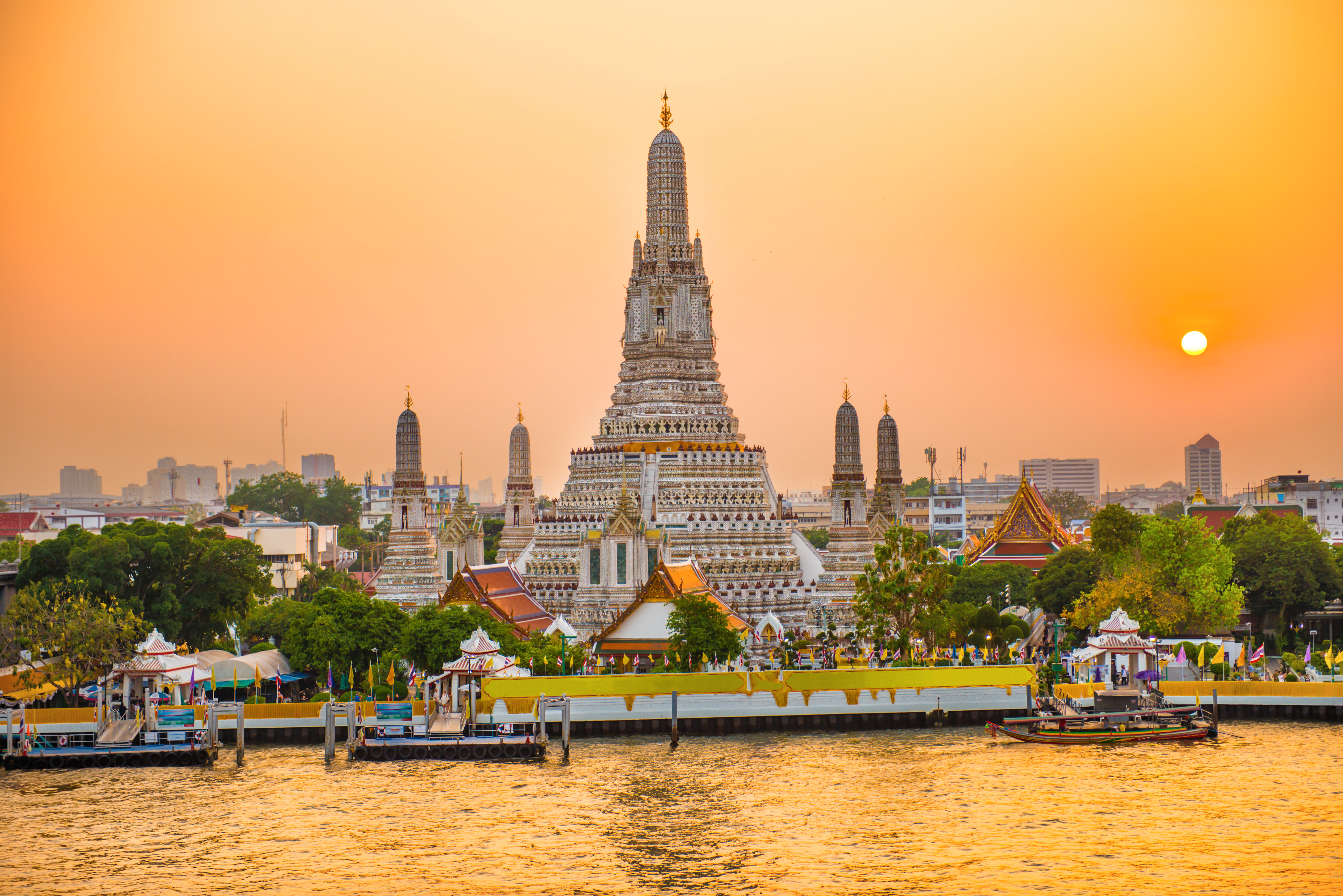
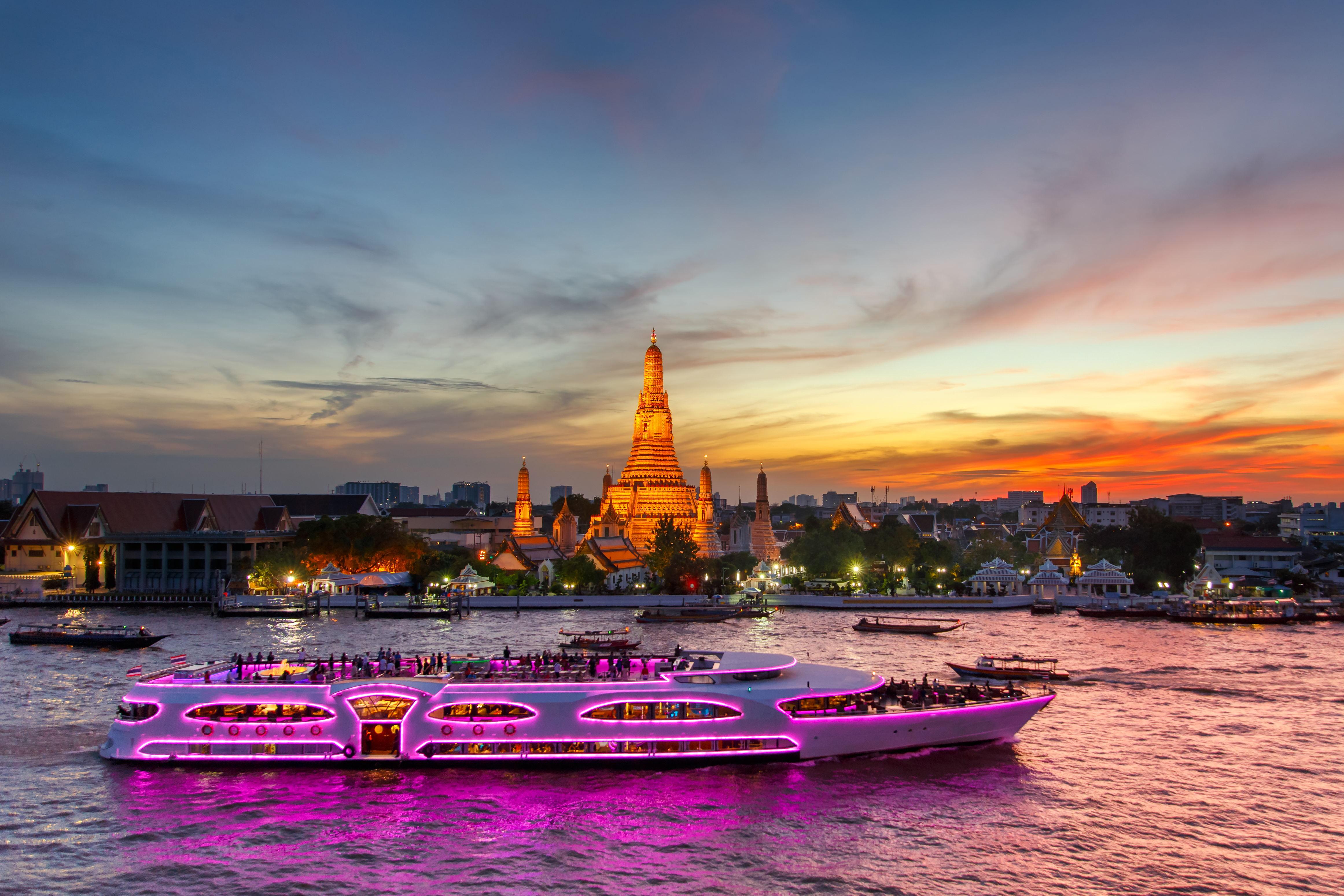
Go to a temple early in the morning before the streets fill up. In Bangkok, Wat Pho and Wat Arun are both good choices. You'll see locals making merit and pouring scented water over Buddha statues. Families also do Rod Nam Dam Hua, where younger relatives gently pour scented water over the hands of elders and ask for their blessing. Seeing this first makes the afternoon water fights feel like part of something older.
Where to celebrate:
Bangkok: Khao San Road is the backpacker version, packed shoulder to shoulder. Silom Road is bigger and better organized, with stages and long stretches closed to traffic.
Chiang Mai: If I could only pick one city, it would be this one. People line the Old City moat and fill buckets straight from it, and Tha Phae Gate turns into the center of everything. There are flower parades and cultural shows alongside the water fights, and the celebrations run for several days.
Phuket and Pattaya: Patong and Karon beaches turn into water battle zones. Pattaya keeps going after the national holiday with its own Wan Lai celebrations a few days later.
Leave monks, older people who aren't joining in, and anyone holding a baby out of it. Most locals will happily soak you back.
2. Pick the Gulf coast for beaches and diving
Thailand's two coasts run on different weather patterns, and April favors the east side. The Gulf of Thailand gets most of its rain in late autumn, so April falls in its dry, calm stretch. On Koh Samui, Koh Phangan and Koh Tao, expect water around 28°C to 30°C, clear visibility and about 86 mm of rain for the month.
That makes the Gulf islands the safest beach choice among all the places to visit in Thailand this month. Koh Samui is also a common base for Thailand honeymoon packages in April, since the sea stays calm and you're unlikely to lose a beach day to rain.
Phuket and Krabi on the Andaman coast start moving into the southwest monsoon in late April, so the water gets choppier and rainfall rises to roughly 120 to 157 mm. Early April there is usually fine. Late April is more of a gamble.
Divers should know that late March through May is the main whale shark season at Sail Rock, a dive site between Koh Phangan and Koh Tao that's a short speedboat ride from Samui. Sightings are never guaranteed, but April gives you some of the best odds of the year.
3. Save the afternoons for indoor activities
From noon to 4 PM, Bangkok and Chiang Mai are hard to enjoy outdoors, so plan indoor things for that window.
A Thai cooking class is the easiest option. Most classes in Bangkok and Chiang Mai start with a morning market visit and then move into a covered kitchen, and you'll learn dishes like Tom Yum Goong and Mango Sticky Rice.
See temples early. Bangkok's Grand Palace, Wat Pho and Wat Arun are far more pleasant before 10 AM, before the stone starts holding heat. The same goes for Sukhothai Historical Park, a UNESCO site where you walk or cycle between ruins with very little shade.
What to know before you go
1. April is the hottest month of the year
Daytime highs usually fall between 30°C and 40°C (86°F to 104°F) and the feel changes a lot by region:
Region | Typical April highs | What it feels like |
Bangkok and Central Plains | 36°C to 37°C | Heavy and humid, with concrete holding the heat into the night |
Chiang Mai and the North | 38°C to 40°C | Dry and hot, often made worse by smoke |
Southern Islands | 26°C to 34°C | Warm but easier thanks to the sea breeze |
A day plan that works: get out early for temples, markets or walks, then head back to the hotel or somewhere air-conditioned from noon to 4 PM. CentralWorld in Bangkok is huge and has a good food court, or you can book a massage. Go back out after sunset for night markets and dinner.
Drink more water than you think you need, and pick up electrolyte sachets from any 7-Eleven.
2. Northern Thailand has a serious smoke problem
From mid-February through April, farmers across northern Thailand, Myanmar and Laos burn crop waste before planting season. Chiang Mai sits in a valley ringed by mountains, so the smoke gets trapped there. On the worst days, mostly in March and early April, PM2.5 levels can push the US Air Quality Index to 300 to 400+, which is officially "Hazardous".
If you have asthma or other breathing problems, or you're pregnant, think carefully before going north in April. If you do go to Chiang Mai, Chiang Rai or Pai:
Bring fitted N95 or KN95 masks from home, because the cloth masks sold locally won't filter much.
Keep your schedule loose enough to swap a hike for an indoor day.
Air quality often improves around Songkran, but that isn't guaranteed. If clean air matters a lot to you, keep the northern leg short or save Chiang Mai for November.
3. Songkran is fun, but the roads get dangerous
Thailand records hundreds of road deaths and thousands of injuries during the Songkran holiday every year, mostly from drunk driving and wet roads.
Don't rent or ride a scooter or motorbike that week. In Bangkok, get around on the BTS Skytrain or MRT, and use Grab or Bolt everywhere else. Never splash someone riding a motorcycle, since that's how a lot of the crashes start.
What to carry:
A waterproof phone pouch. Street vendors sell them everywhere for a few dozen baht, and your cash can go in there too.
Swimming goggles. People smear a white clay paste called din sor pong on faces, and the water isn't always clean. Both sting in your eyes.
Shoes with grip. Flip-flops and leather sandals get slippery on wet roads, so wear quick-dry sneakers or sport sandals with rubber soles.
4. Budget, including the costs people forget
Rough daily on-the-ground spending, not counting flights:
Travel style | Daily budget | What that covers |
Backpacker | 900 to 1,800 THB (about ₹2,400 to ₹4,900) | Hostel dorms, street food, local buses |
Mid-range | 2,150 to 3,600 THB (about ₹5,800 to ₹9,700) | Private A/C rooms, sit-down restaurants, paid tours |
Comfort | 5,000+ THB (about ₹13,500+) | Boutique hotels, private drivers, dive trips |
Where you go matters as much as how you travel. Food and rooms in Chiang Mai and Pai can cost 40% to 60% less than on Phuket or Koh Samui.
5. Pack synthetics, not cotton
Cotton soaks up sweat and splash water and can take two or three days to dry in a humid room, and wet cotton rubs until you get chafing and blisters. You'll notice by day three if you packed mostly cotton. For April, bring:
Quick-dry synthetic underwear and breathable sports socks
Light rayon elephant pants or a sarong, so you can cover your shoulders and knees at temples without overheating
A light UV sun hoodie or a small umbrella, since the UV index runs very high this time of year
Thailand festival calendar for 2027
Festival | When | Where | What happens |
Poy Sang Long | March/April 2027 | Mae Hong Son | Shan Buddhist ordination parade with young boys dressed as princes |
Songkran | April 13 to 15, 2027 | Nationwide | Thai New Year and the country's biggest water festival |
Bun Bang Fai Rocket Festival | May 2027 | Yasothon, Isan | Homemade bamboo rockets fired into the sky to ask for rain |
Phi Ta Khon (Ghost Festival) | June/July 2027 | Dan Sai, Loei | Masked ghost parades and spirit dances |
Asalha Puja and Khao Phansa | July 2027 | Nationwide | Candlelit processions marking the start of Buddhist Lent |
Naga Fireball Festival | October 2027 | Nong Khai | Glowing balls of light that appear to rise from the Mekong River |
Loi Krathong and Yi Peng | November 2027 | Chiang Mai and Bangkok | Floating krathongs on rivers and sky lanterns over Chiang Mai |
Final thoughts
If you can't handle heat, look at the cooler months. Thailand in January and Thailand in February are dry, less humid and comfortable in the evenings, which is why they're peak season. Thailand in March falls in between. It's already getting hot and it's usually the worst month for smoke in the north, but the Gulf islands are lovely and the crowds start thinning.
Songkran only happens in April, though. If it's on your list, book transport early, spend your beach days on the Gulf side, keep the north short, and plan your days around the midday heat.
Planning this trip?
Tell us what you have in mind and a Many2Go consultant will get back to you with a tailored plan for Thailand.