July is a good time to visit Thailand if you choose the right region. The Gulf islands (Koh Samui, Koh Phangan, Koh Tao) stay mostly dry and swimmable, with 5 to 7 hours of sunshine a day. The Andaman coast (Phuket, Krabi, Koh Lanta) gets heavy monsoon rain and rough seas. Hotels are 15% to 50% cheaper than in peak season, and rain usually comes as a short late-afternoon shower.
Quick summary
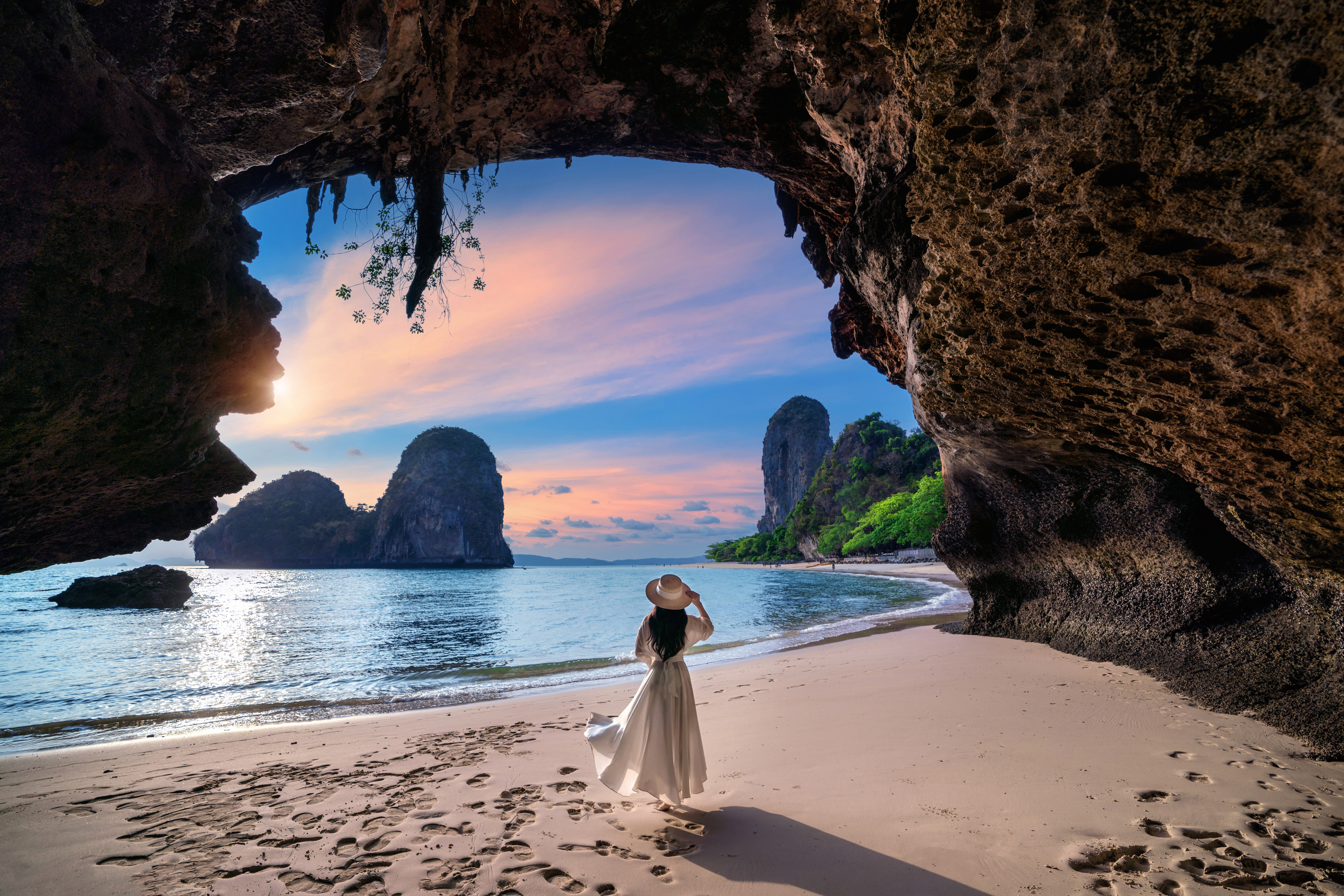
Base your beach days on the Gulf islands. Phuket and Krabi are in their wettest stretch.
Rain on the Gulf side usually lasts 30 to 90 minutes, mostly between 2 and 4 PM.
Asalha Bucha (July 18, 2027) and Khao Phansa (July 19, 2027) bring a nationwide alcohol ban.
The King's birthday on July 28 is a public holiday.
Don't walk barefoot through floodwater, and take red beach flags seriously.
Expect hotel discounts of 15% to 50%.
Is July a good time to visit Thailand?
Yes, as long as you don't expect the whole country to have the same weather. July is the middle of the southwest monsoon, and Thailand splits into two very different trips. On the Gulf islands you'll get sunny mornings, warm calm water, and the odd afternoon storm. On the Andaman coast you'll get days of heavy rain and beaches closed to swimmers.
If you've read our guides to Thailand in May and Thailand in June, July follows the same pattern, only more so. The west coast is at its wettest, while the Gulf is having one of its best months of the year.
You also pay less. Hotels cut their rates in July, and with fewer visitors around, temples and viewpoints are noticeably quieter.
What is the weather like in Thailand in July?
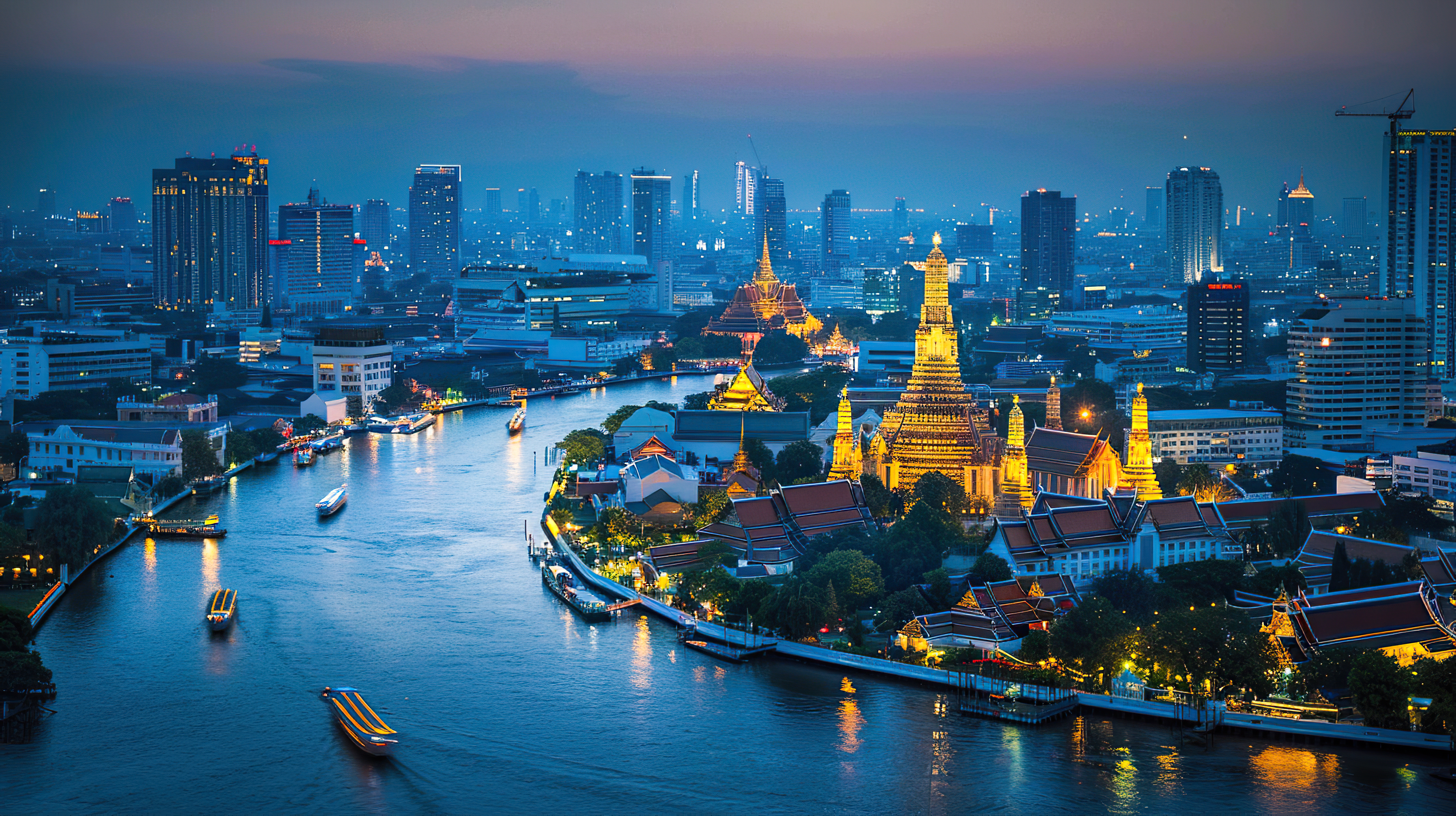
July weather in Thailand depends almost entirely on region. The Gulf of Thailand gets mild rainfall and calm seas. The Andaman coast sees peak monsoon rain, around 260 mm over 19 or more days. Northern Thailand is green and cooler, with short afternoon showers.
Is the Gulf coast or Andaman coast better in July?
The Gulf coast is better for a beach trip, by a long way.
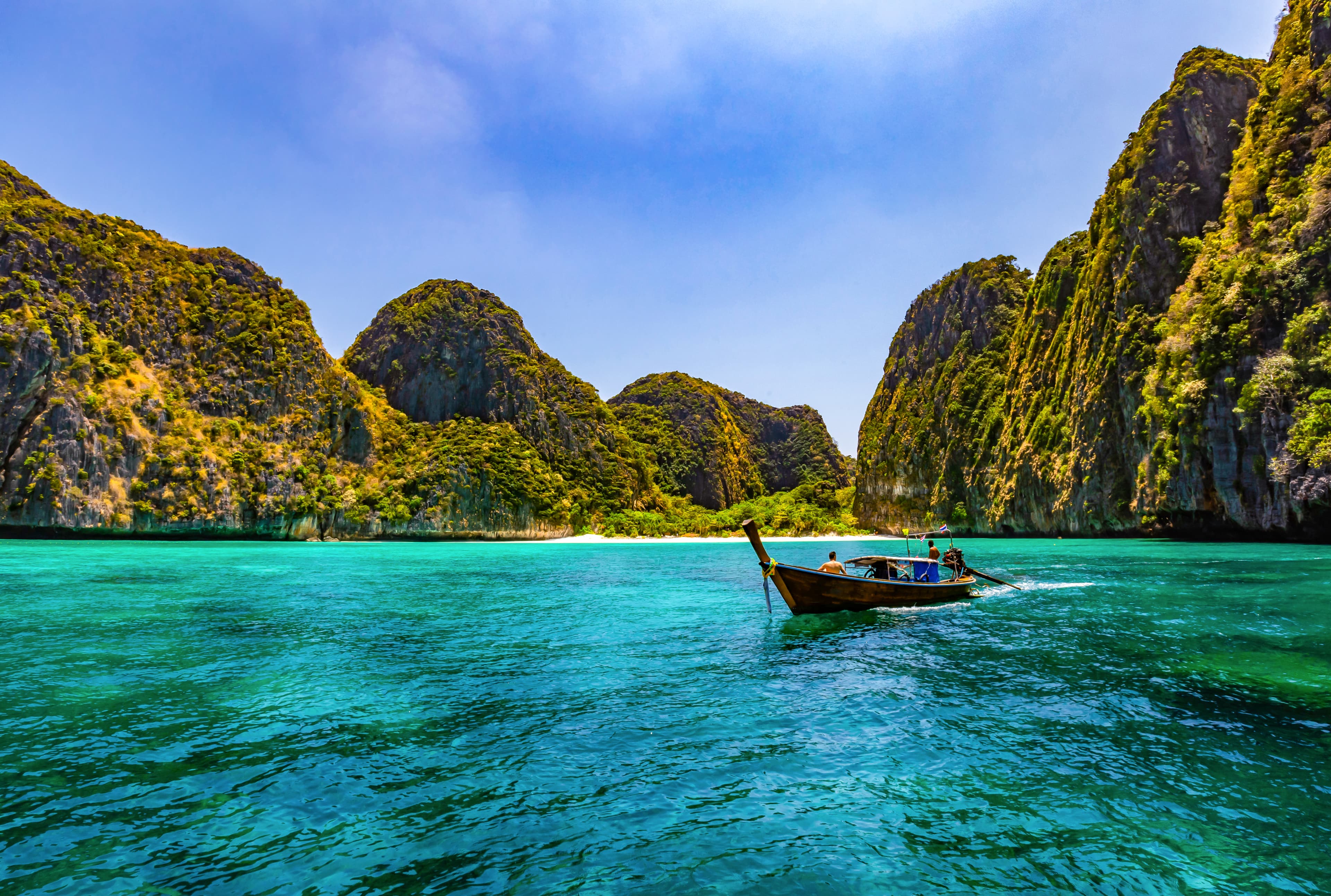
Koh Samui, Koh Phangan, and Koh Tao sit in the shelter of the mainland, so most of the monsoon weather passes them by. Air temperatures average 30°C to 31°C, the sea is around 29°C, and you can expect 5 to 7 hours of sunshine a day. When rain comes, it's usually a 30 to 90 minute afternoon shower.
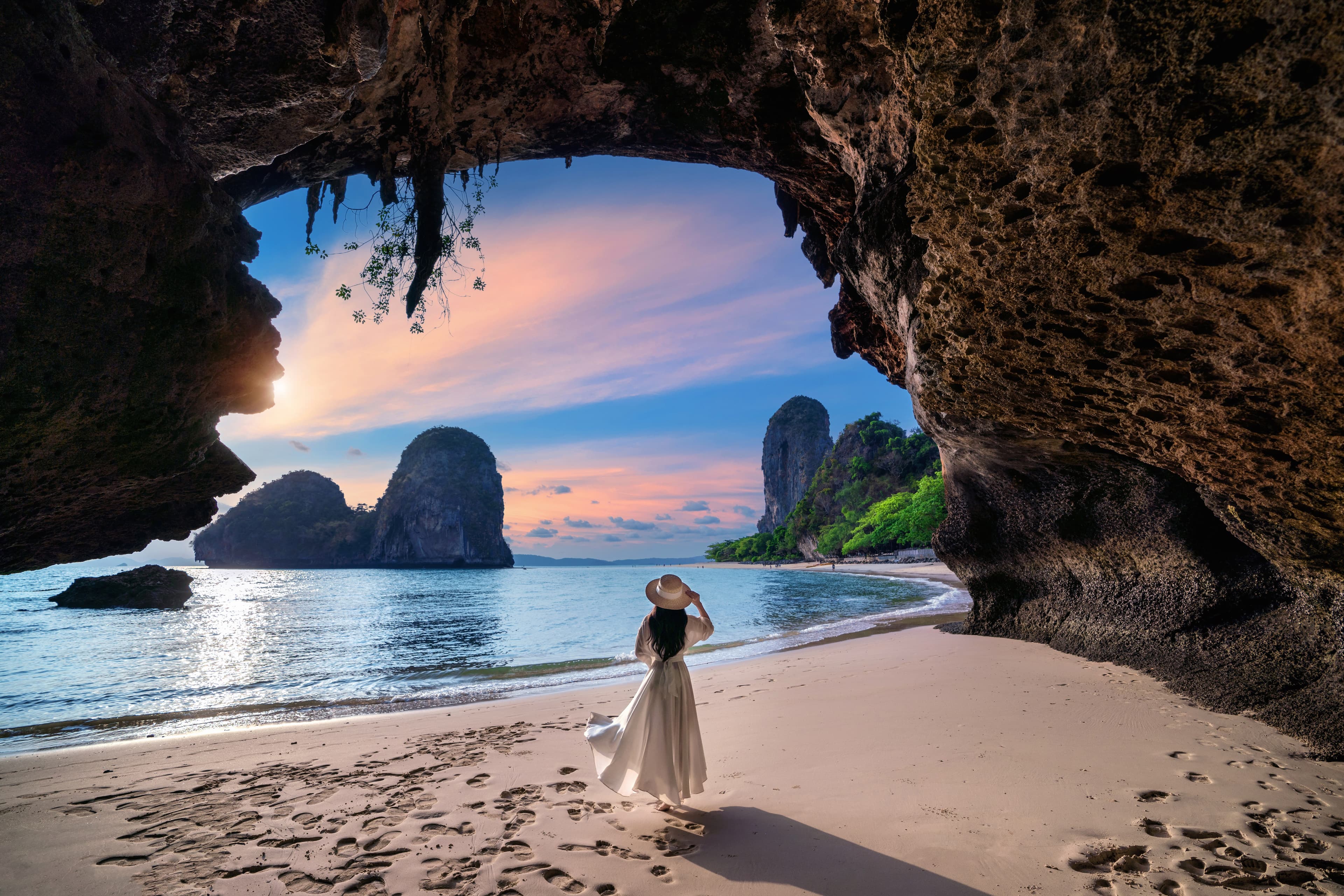
Phuket, Krabi, and Koh Lanta take the monsoon head on. They get between 19 and 28 rain days in July and around 260 mm of rain, with humidity near 84%. Swells are big, rip currents are strong, and red flags go up on most west-facing beaches.
What about Chiang Mai and Bangkok?
Chiang Mai is cooler than in the hot season, with misty mountains and waterfalls running full. Late July can bring flash flood warnings for northern hillsides, which the Thai Meteorological Department issues for several days at a time, so check the news before trekking.
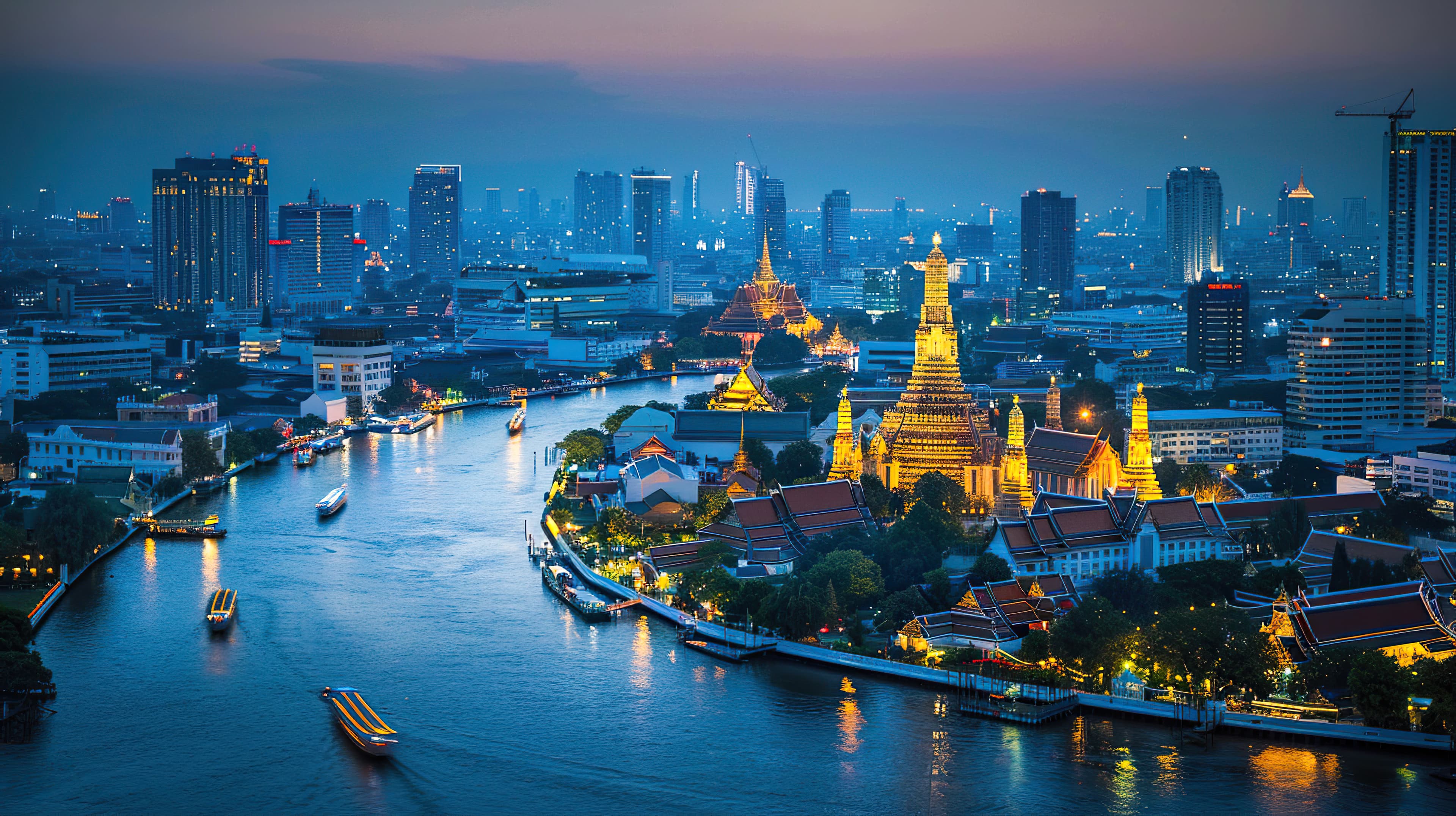
Bangkok stays hot, around 26°C to 33°C, with short evening downpours. Plan your outdoor time for the morning and the rain rarely gets in the way.
Region | Avg. temp | Rain days | Typical pattern | Swimming |
Gulf coast (Koh Samui) | 30°C to 31°C | 15 to 18 | Sunny mornings, shower around 2 to 4 PM | Good, especially north-facing bays |
Andaman coast (Phuket) | 25°C to 31°C | 19 to 28 | Heavy downpours, 84% humidity | Poor, red flags and rip currents |
Northern (Chiang Mai) | 24°C to 32°C | 12 to 15 | Short afternoon showers | N/A, good for waterfalls and culture |
Central (Bangkok) | 26°C to 33°C | 15 to 18 | Hot days, short evening downpours | N/A, city sightseeing is easy |
What festivals and holidays happen in Thailand in July?
In 2027, Asalha Bucha falls on July 18 and Khao Phansa, the start of Buddhist Lent, on July 19. Alcohol sales are banned nationwide on both days. The King's birthday on July 28 is also a public holiday.
Asalha Bucha (July 18, 2027)
Asalha Bucha marks the Buddha's first sermon and the founding of the community of monks, the Sangha. In the evening, temples hold a Wian Tian ceremony: people carry candles, lotus flowers, and incense and walk three times clockwise around the main hall. Visitors are welcome to watch or join.
Khao Phansa (July 19, 2027)
Khao Phansa is the first day of Vassa, the three-month rains retreat when monks stay in their temples. People bring monks new robes for bathing in the rain, and towns hold candle processions. The best known is the Ubon Ratchathani Candle Festival in the northeast, where huge carved wax floats parade through the city.
Other July dates
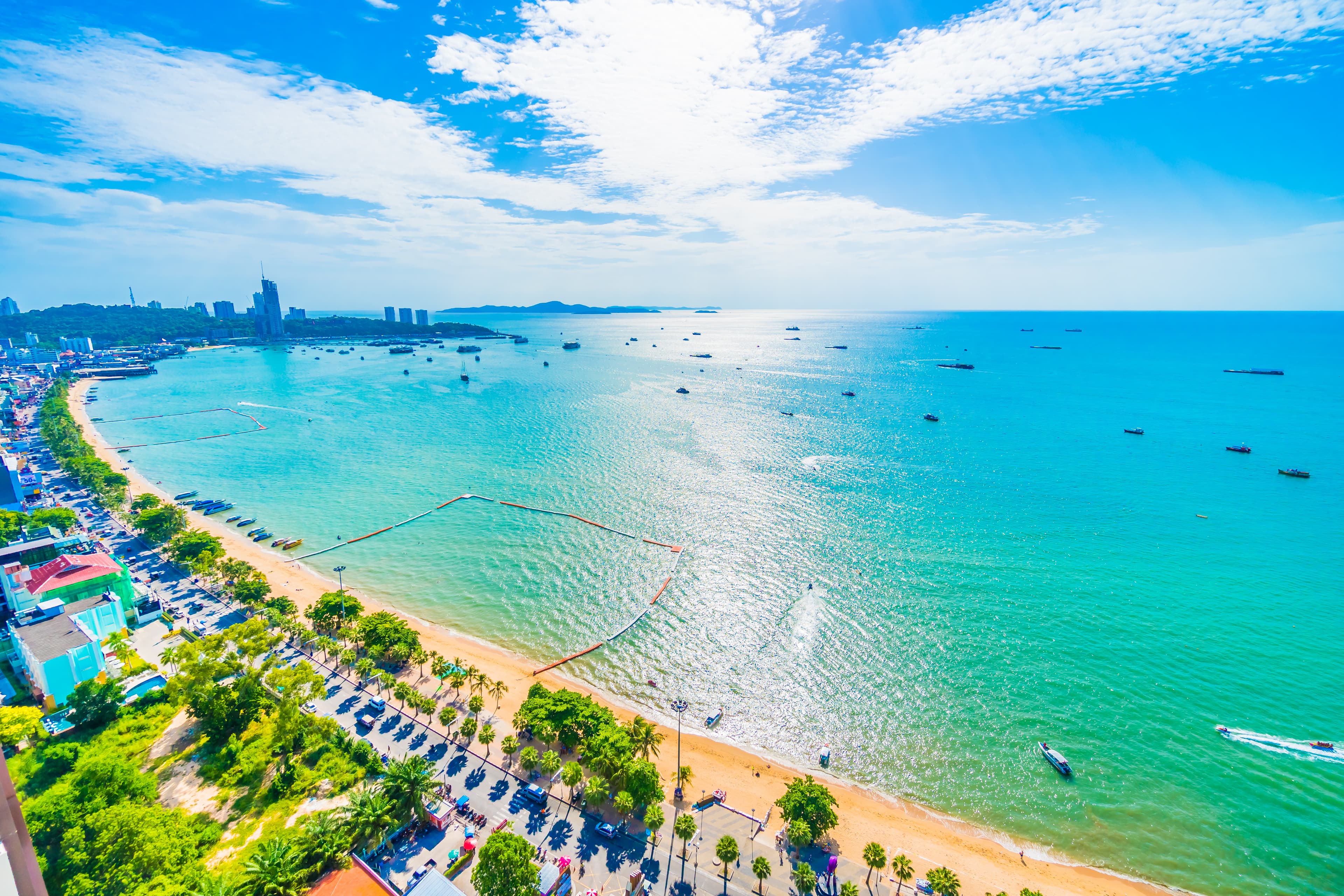
The King's birthday on July 28 is a national holiday, and you'll see yellow flags and royal portraits on buildings around the country. The Pattaya Marathon is usually held in July, and Phuket's west coast surf scene is at its busiest, so check event calendars closer to your travel dates.
Schedule boat trips for the morning
Book boat trips, Ang Thong Marine Park tours, and snorkeling between 8 AM and 12 PM, when the sea is calmest and the sun is most reliable. Showers usually arrive between 2 and 4 PM, which is a good time to be back at your hotel anyway.
If you'd rather have someone else handle ferries and transfers, many Thailand tour packages covers exact route, and low-season prices make Thailand honeymoon packages on Samui especially good value.
What can you do in Thailand when it rains?
Full-day washouts are rare in July. When a shower hits, switch to a Thai cooking class, a Muay Thai session, a spa, or a covered market. Some outdoor plans, like elephant sanctuaries and waterfalls, are even better in the rain.
Indoor options
Cooking classes and spa treatments fit neatly into the 2 to 4 PM rain window. In Bangkok, the big shopping centers have food courts, cinemas, and enough air-conditioning to forget the weather. In Phuket, Aquaria Phuket and the 3D museum are popular rainy day stops.
Outdoor plans that work in the rain
Elephants enjoy mud and rain, so a wet day at an ethical sanctuary can be more fun than a dry one. Samui Elephant Sanctuary in Bophut and Phuket Elephant Sanctuary both have strict no-riding policies. Check for the same policy at any sanctuary you're considering.
A few days of rain also brings the waterfalls up to full flow. Na Muang on Koh Samui and Wachirathan in Doi Inthanon National Park are both worth a visit in July. For more ideas, see our list of things to do in Thailand and our guide to places to visit in Thailand.
Beach and sea hazards
Rip currents on the Andaman coast are dangerous in July, even for strong swimmers. If a red flag is up, stay out. Jellyfish stings also become more common in the rainy months, and many beaches keep vinegar stations for treating them.
What should you pack for Thailand in July?
Pack quick-dry clothes, a poncho, a dry bag, waterproof sandals, SPF 50+ sunscreen, and mosquito repellent. You can buy repellent and ponchos cheaply at any 7-Eleven.
Packing list
Quick-dry synthetic clothing
Lightweight rain poncho or compact umbrella
Waterproof dry bag for phone and passport
Waterproof or quick-dry sandals
SPF 50+ sunscreen (UV levels stay very high even on cloudy days)
DEET mosquito repellent (about 60 baht at 7-Eleven)
Reusable water bottle (required on Koh Nang Yuan)
Light layer for temples
Who should skip Thailand in July?
Pick another month if you want a beach holiday in Phuket, Krabi, or Koh Lanta, or if you need guaranteed dry weather. The cool season from November to February suits those trips better.
Summary
Choose the Gulf islands for July and the monsoon stays mostly in the background. Do boat trips before lunch, keep afternoons flexible, and remember the alcohol ban on July 18 and 19. You'll pay 15% to 50% less than in peak season, and the islands are far less crowded.
Planning this trip?
Tell us what you have in mind and a Many2Go consultant will get back to you with a tailored plan for Thailand.