
Search "best time to visit Thailand" and November shows up everywhere. The cool, dry season is starting, the lantern festivals are around the corner, and the heat hasn't reached its April peak yet. It's also when most Thailand tour packages start filling up for the high season.
Then you open a travel forum and someone is complaining about four straight days of rain on Koh Samui and a cancelled ferry.
Both of these are true. That's what trips people up.
The common advice, "November is great everywhere in Thailand," works fine for Bangkok, Chiang Mai, and Phuket. It falls apart if you book a beach week on the Gulf side, which happens to be in the middle of its wettest stretch of the year. People lose money on non-refundable villas and ferry tickets every November because of this one detail, and it's a mistake that shows up a lot in Thailand honeymoon packages built around Koh Samui.
This guide sorts it out. You'll get the actual rainfall numbers by region, a practical plan for Loy Krathong and Yi Peng, a way to tell a real elephant sanctuary from a tourist trap, and the best places to visit in Thailand for this specific month.
If you're chasing the lantern festivals in Chiang Mai or Bangkok, trying to decide which coast to spend your beach days on, or want to see elephants without paying for something cruel, you're in the right place. First-timers will get the most out of it, but repeat visitors who've only been in other months will find plenty that's different.
November Weather, Andaman vs. Gulf Coast
Two Coasts, Two Different Seasons
Look at a map of southern Thailand and you'll see a long, thin strip of land running down toward Malaysia. That's the Malay Peninsula, and it splits the country's beaches into two separate weather systems.
On the west side you have the Andaman Sea. On the east side, the Gulf of Thailand. Their monsoons run on opposite schedules, so when one coast is drying out, the other is getting soaked.
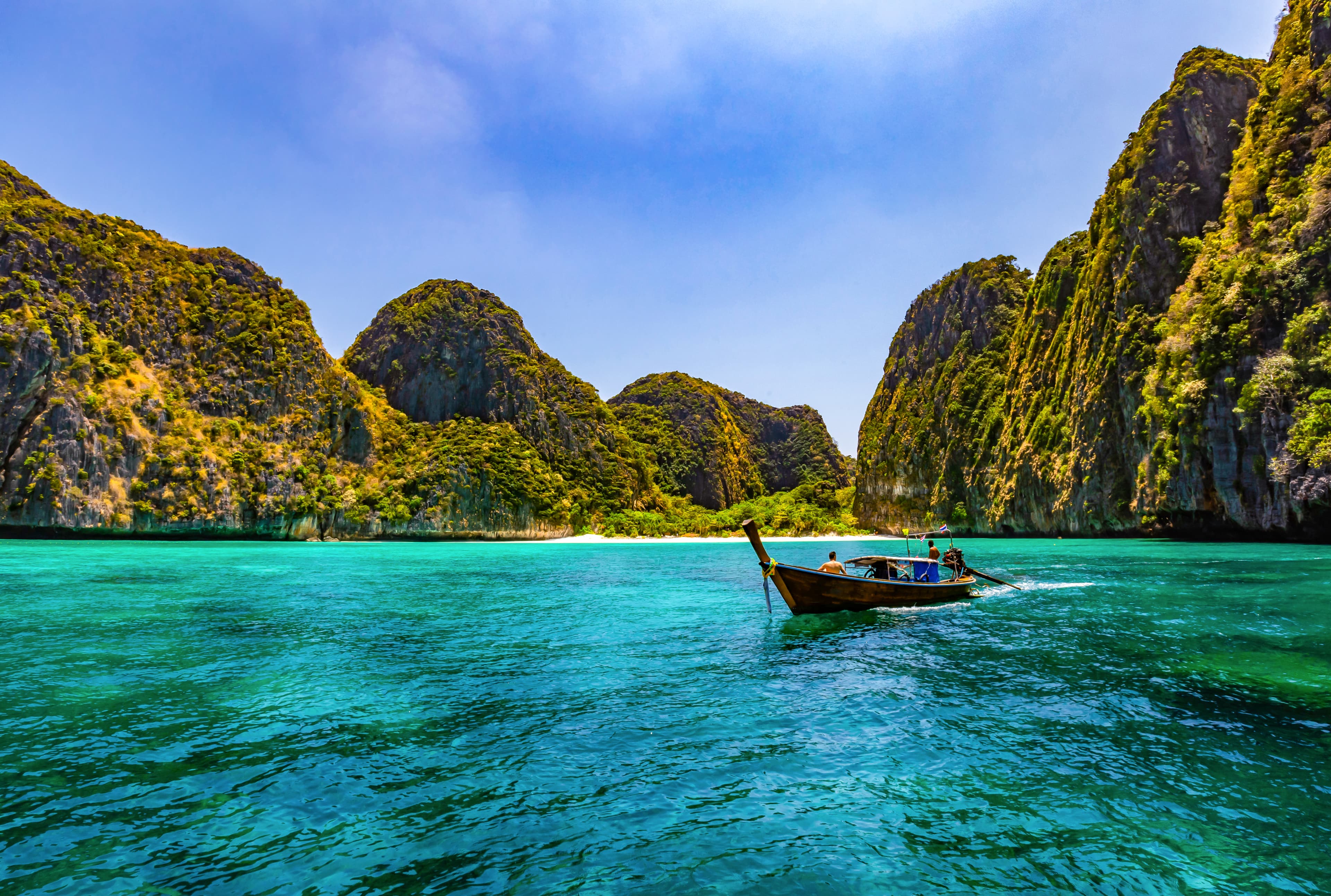
The Andaman Coast (west) is where November gets good. Phuket, Krabi, Koh Lanta, and Koh Phi Phi start their main dry season around now. Skies clear up, the sea calms down, and boat trips run on schedule again. Early November can still bring the odd shower as the southwest monsoon fades out, but by the second half of the month you're usually looking at proper beach weather.
The Gulf Coast (east) is the trap. Koh Samui gets its heaviest rain of the year in November, somewhere between 345 mm and 526 mm depending on the year. That's not a quick afternoon shower. It can mean several days of storms in a row, rough seas, and ferries to Koh Phangan and Koh Tao that don't leave the pier.
November at a Glance
Destination | Avg High | Avg Low | Monthly Rainfall | Rainy Days | Sea Conditions |
Bangkok | 30.1°C (86°F) | 22.9°C (73°F) | 162.4 mm | ~12 | N/A |
Chiang Mai | 30 to 31°C | 19 to 20°C | 44 mm | 3 to 4 | N/A |
Phuket | ~31°C | ~24°C | ~150 to 200 mm, mostly early in the month | ~12 to 15 | Calming, good by late Nov |
Koh Samui | ~29°C | ~24°C | 345 to 526 mm | ~17 to 20 | Rough, ferry delays common |
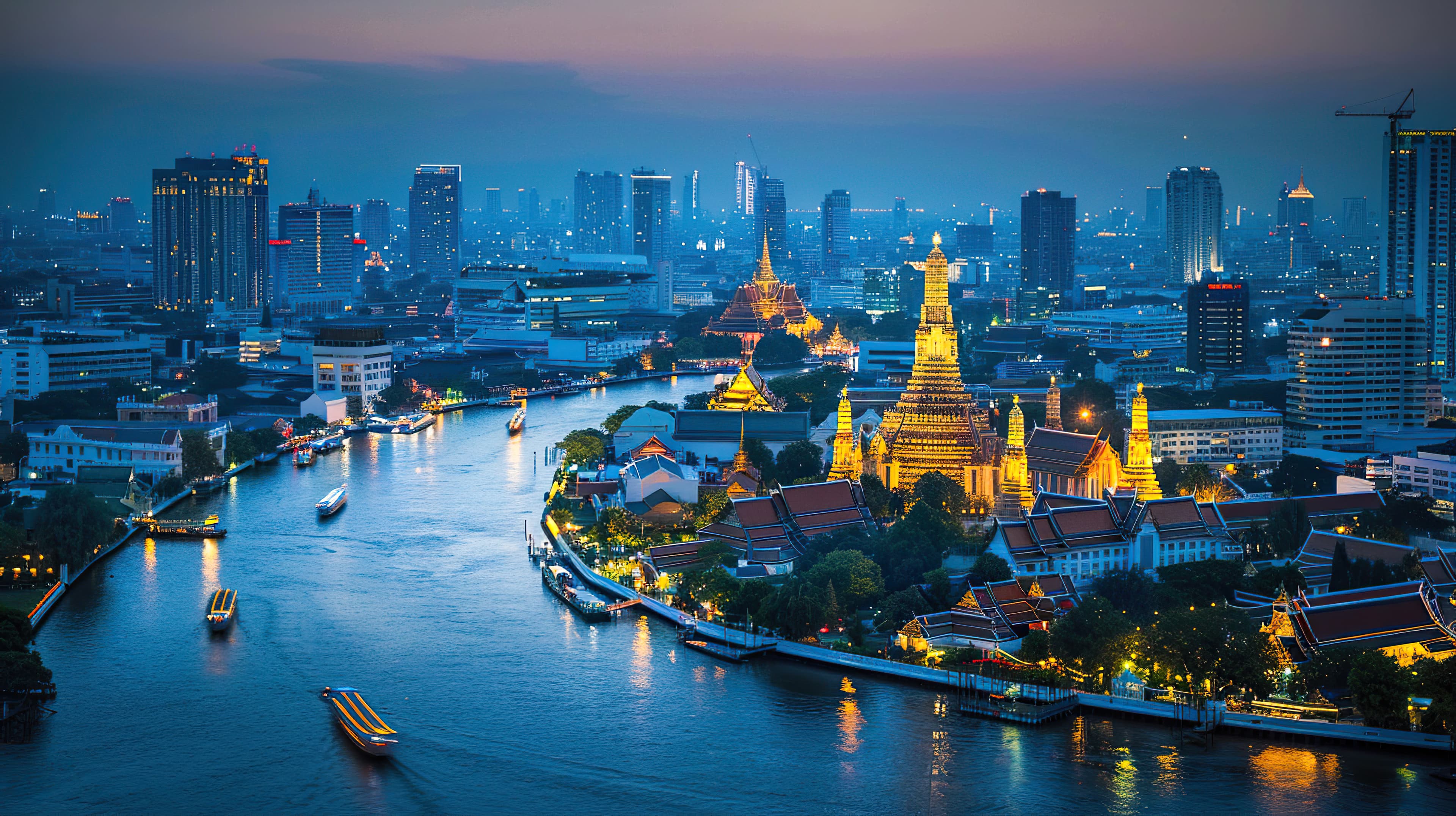
Bangkok and the Central Plains. Twelve rainy days sounds like a lot, but Bangkok rain in November tends to come as a short, heavy burst in the late afternoon. You duck into a 7-Eleven or a café for half an hour, and then it's done. All-day drizzle is rare. Plan your outdoor sightseeing for the morning and you'll barely notice it.
Chiang Mai and the North. This is the best weather in the country right now. Days sit around 30 to 31°C, evenings drop to a comfortable 19 to 20°C, and you'll see maybe three or four rainy days across the whole month. Total rainfall is around 44 mm. If you're up in the mountains around Doi Inthanon or Pai, bring a jacket for the early mornings.
Rainy Day Things to Do in Thailand
Even in a good month, you'll probably get caught once or twice. Have a backup ready:
Book a Thai cooking class. Most include a market visit and run three to four hours, which is about how long a heavy storm lasts.
Visit a temple with a museum. Bangkok's National Museum and Chiang Mai's Lanna Folklife Museum are both covered and air-conditioned.
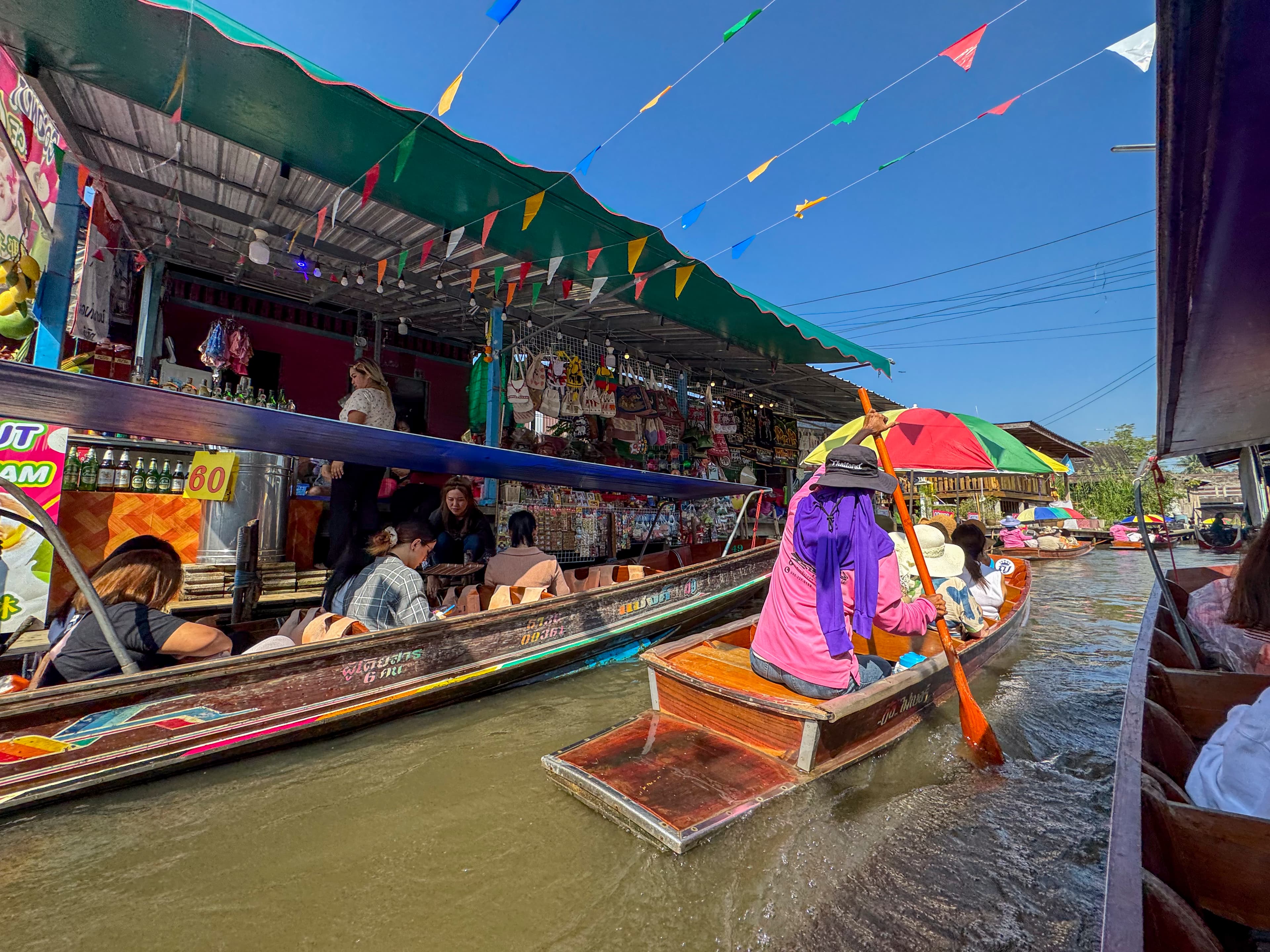
Eat your way through a covered market. Or Tor Kor in Bangkok and Warorot Market in Chiang Mai are good choices.
Get a Thai massage. An hour-long session costs about ฿300 to ฿500 at most local shops, and there's no better way to wait out a downpour.
The Loy Krathong and Yi Peng Festival Guide
What the Festival Means
Loy Krathong falls on the full moon of the twelfth month of the Thai lunar calendar, which usually lands in mid-to-late November. Check the exact date for your year before you book anything, because it moves. Many Thailand tour packages for November are built around this date, so confirm your package actually covers festival night.
The word krathong refers to a small float, traditionally made from a slice of banana tree trunk wrapped in banana leaves and decorated with flowers, a candle, and incense. People release them onto rivers and canals to thank Phra Mae Khongkha, the goddess of water, and to let go of bad luck, grudges, and anything else they'd rather leave behind. Some people add a nail clipping or a strand of hair as a symbolic piece of themselves.
In the north, the old Lanna kingdom celebrates Yi Peng at the same time. Yi Peng is the one with the sky lanterns, called khom loi, and the paper lanterns strung across streets and temple grounds. So in Chiang Mai you get both: floats on the water and lanterns overhead. The rest of the country mostly sticks to floats.
Chiang Mai Yi Peng
The free version. This is what most locals do, and honestly it's what I'd recommend for a first visit. The Old City moat is lined with candles and lanterns, Tha Phae Gate hosts performances, and the area around the Three Kings Monument gets busy with parades. Head to Nawarat Bridge or the Iron Bridge over the Ping River after dark and you'll see thousands of krathongs drifting downstream. It costs nothing, the street food is everywhere, and you're surrounded by Thai families doing the same thing you are.
The ticketed version. Those famous photos of thousands of lanterns rising at once come from private events held outside the city, the best known being CAD Khomloy at the CAD Lanna Cultural Center in Mae On.
Is it worth it? It depends on what you want. Expect the whole evening to take about six hours once you add up transfers, traffic, and waiting. The crowds are big, and you'll share the field with a few thousand other people holding phones. If seeing a sky full of lanterns at one moment is the thing you came for, it's the only legal way to do it, so go for it. Couples often find it one of the most memorable add-ons to Thailand honeymoon packages. If you'd rather feel like part of a living festival, the free riverside celebration gives you more for nothing.
Sky Lantern Rules You Need to Know
This part matters. Releasing your own sky lantern inside Chiang Mai's restricted zones, which include the city and the area around the airport, is illegal. Burning lanterns drifting into flight paths are a real danger to aircraft.
Air traffic gets affected too. In recent years, more than 160 flights at Chiang Mai Airport have been cancelled or rescheduled around release nights. If you're flying in or out during the festival, check your flight times carefully and avoid the main release evenings if you can.
Buying a lantern from a street vendor doesn't make it legal to release. If you want to launch one, do it at an authorized event.
Bangkok's Chao Phraya River
Bangkok doesn't have the lanterns, but its riverside Loy Krathong is one of the things to do in Thailand in November if you're staying in the capital.
Where to go:
Iconsiam puts on a large show with fireworks and has easy access from the river ferry.
Asiatique gives you a wide riverfront promenade with plenty of space to release a float.
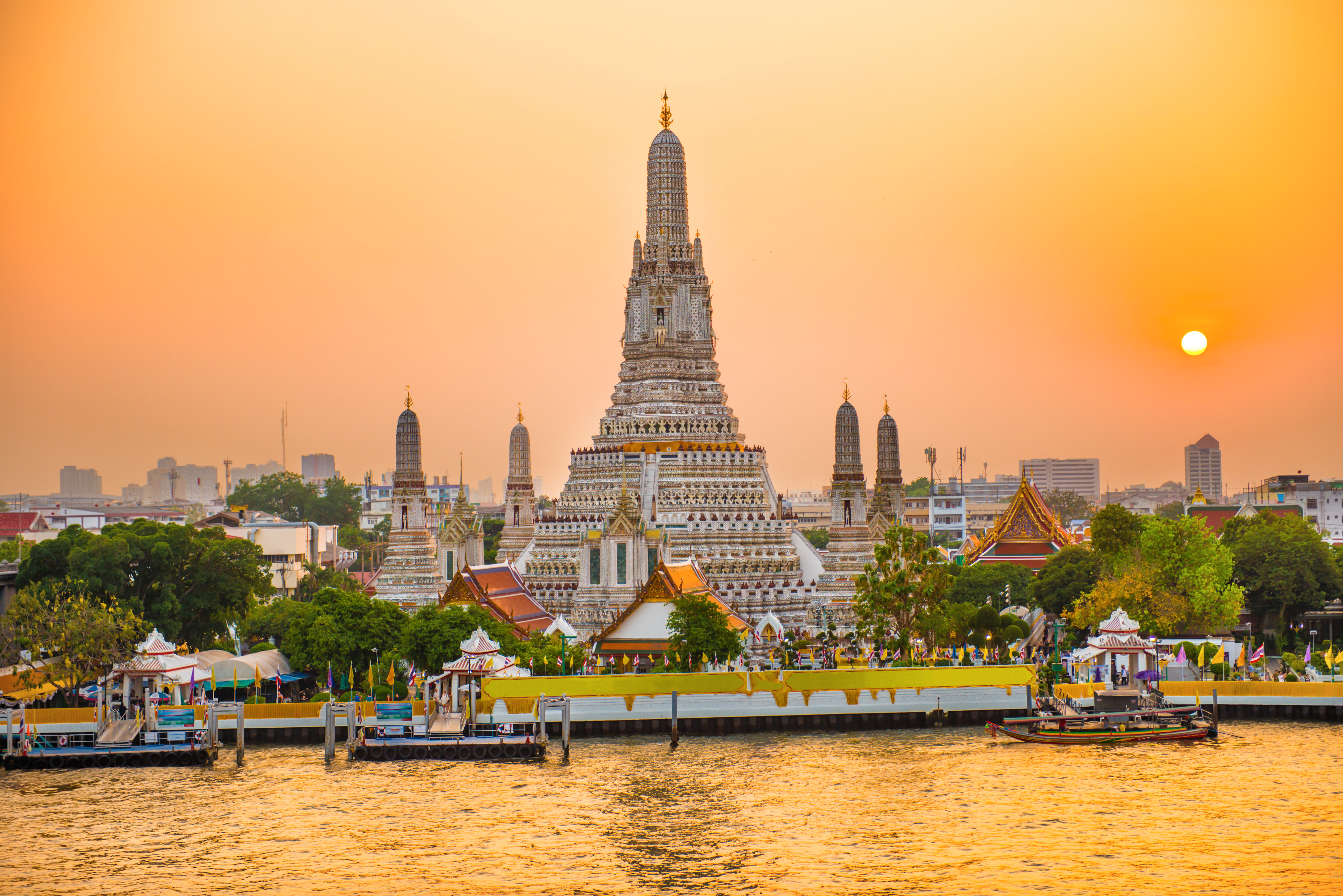
Wat Arun and the piers around it are the most atmospheric option, with the lit-up temple behind you.
Smaller historic piers like Tha Tien and Tha Maharaj tend to be calmer than the big malls.
Choosing an Ethical Elephant Sanctuary
The Word "Sanctuary" Means Nothing on Its Own
There's no legal definition of "sanctuary" in Thailand. Any camp can use it, including places that still run rides and shows. Some operators simply rebranded after travelers started avoiding riding camps, without changing much else. You'll also see elephant visits bundled into a lot of Thailand tour packages, so check which camp the package uses before you pay.
So the name tells you nothing. What happens there tells you everything.
Red flags to walk away from:
Any kind of riding, whether with a saddle or "bareback"
Mahouts carrying bullhooks (a metal hook on a stick, called an ankus) or hiding them in their clothes
Elephants painting, playing football, or doing tricks
Large group bathing sessions where dozens of tourists splash a single elephant
Baby elephants being handed around for photos
The 6-Point Screening Checklist
Before you book, check the operator against these six points. Read their reviews, look closely at their photos, and email them directly if anything's unclear.
No riding at all. An elephant's spine isn't built to carry weight on top, and riding causes long-term injury.
No pain-based handling. Staff should guide elephants with voice commands and food, never hooks or sticks.
Time to forage and roam. Good programs let elephants walk and feed naturally while you observe.
River time is the elephant's choice. If elephants go into the water, it should be low-key and optional for them.
Real backstories for each elephant. A genuine sanctuary can tell you where each animal came from, whether that's logging, street begging, or a riding camp.
Small groups. Look for caps of around 8 to 12 visitors per group.
What a Good Sanctuary Day Looks Like
Most Chiang Mai programs start with a hotel pickup in the morning and a one to two hour drive into the hills. When you arrive, staff walk you through the history of the elephants living there and explain how the sanctuary works.
Then you'll prepare and hand out food, usually bananas, sugarcane, and rice balls. After that comes a slow walk through the forest behind the elephants as they graze. Full-day programs often include lunch and more time with the mahouts, who'll explain how they build trust with each animal over years.
Expect to pay around ฿1,200 to ฿1,800 for a half day and ฿2,000 to ฿2,800 for a full day. If a place is much cheaper, ask yourself how they're covering the cost of feeding animals that each eat around 150 kg of food a day.
Beach Activities and Diving
Andaman Diving Season Opens
November is when the Andaman side opens up for divers, and it's high on the list of things to do in Thailand this month. The Similan Islands National Park reopens for the season, which runs through April, and Richelieu Rock becomes reachable on liveaboard trips.
Visibility often sits between 20 and 30 meters. With some luck, you might see manta rays around the Similans or a whale shark at Richelieu Rock. Day trips to Phi Phi from Phuket or Krabi are a good option if you don't have time for a liveaboard.
Koh Tao and Koh Samui in November
Koh Tao is one of the cheapest places in the world to get certified.
November isn't the time for it, though. Peak Gulf diving runs from March to September. In November you'll be dealing with rain, choppy seas, and poor visibility, which makes training dives harder and less fun. If you want that Koh Tao price, plan a separate trip in spring or summer.
Conclusion
A 14-Day Route That Works
If you have two weeks, here's how I'd put it together:
Days 1 to 4: Bangkok. Temples, markets, and food in the mornings. Time your stay so Loy Krathong night lands here, or come back for it.
Days 5 to 9: Chiang Mai. Yi Peng, a day at a vetted elephant sanctuary, and a trip up into the mountains for the cooler air.
Days 10 to 14: Phuket or Krabi. Beach time, island hopping, and diving at Phi Phi or the Similans.
These are the places to visit in Thailand when November weather is on your side, and you'll stay clear of the Gulf Coast's rain completely. Couples can use the same route and swap the last leg for a quieter stay on Koh Lanta or Railay.
Check the festival date first, then build the rest around it. Whether you plan it yourself or compare Thailand tour packages and Thailand honeymoon packages, use this route as your checklist: Bangkok, Chiang Mai, and the Andaman Coast. If a package sends you to Koh Samui in November, keep looking.
Planning this trip?
Tell us what you have in mind and a Many2Go consultant will get back to you with a tailored plan for Thailand.