Most people who search for Thailand in September want to know one thing: will the rain ruin my trip?
It's a fair worry. September is the wettest month across most of the country. Plenty of travelers still go every year, pay a lot less than they would in peak season, and come home happy. What separates a good September trip from a soggy one is mostly where you go and how loose you keep your plans.
Hotels and flights are often 30% to 50% cheaper than in the busy months, and many Thailand tour packages drop their prices around this time too. The catch is rain on roughly 18 to 21 days of the month. That number sounds worse than it is once you know how the rain actually behaves, so we'll start there, then get into where to go, what to pack, and the rules that trip up tourists.
What the weather is really like in September
How the rainy season works
From around May to October, the southwest monsoon pushes moist air off the Indian Ocean and across Thailand. By September it's at full strength, which is why this month tops the rainfall charts in most regions.
How much you get depends on where you are. The Andaman coast (Phuket, Krabi) takes the worst of it. Bangkok and the central plains get a lot as well, though it tends to come in bursts. The Gulf islands on the east side sit in a kind of rain shadow and stay noticeably drier until their own wet season arrives later in the year.
Quick storms vs. all-day rain
A lot of people picture the rainy season as rain from morning to night. On most days it doesn't work like that.
A typical September day starts bright and hot. Clouds build after lunch, and then you get a heavy downpour for 20 to 40 minutes in the late afternoon or evening. Afterwards it often clears and the air feels fresher.
Now and then a bigger storm system parks over the region and you get two or three grey, drizzly days in a row. It's less common, and there are still plenty of things to do in Thailand when it's wet. Book a cooking class or a Thai massage, spend a morning at the Jim Thompson House in Bangkok, or take a long lunch in one of the big air-conditioned malls.
Where to go in September (and where to avoid)
The places to visit in Thailand don't all get the same weather this month, and the region you pick matters more than anything else on your list.
The Gulf islands: Koh Samui, Koh Phangan, Koh Tao
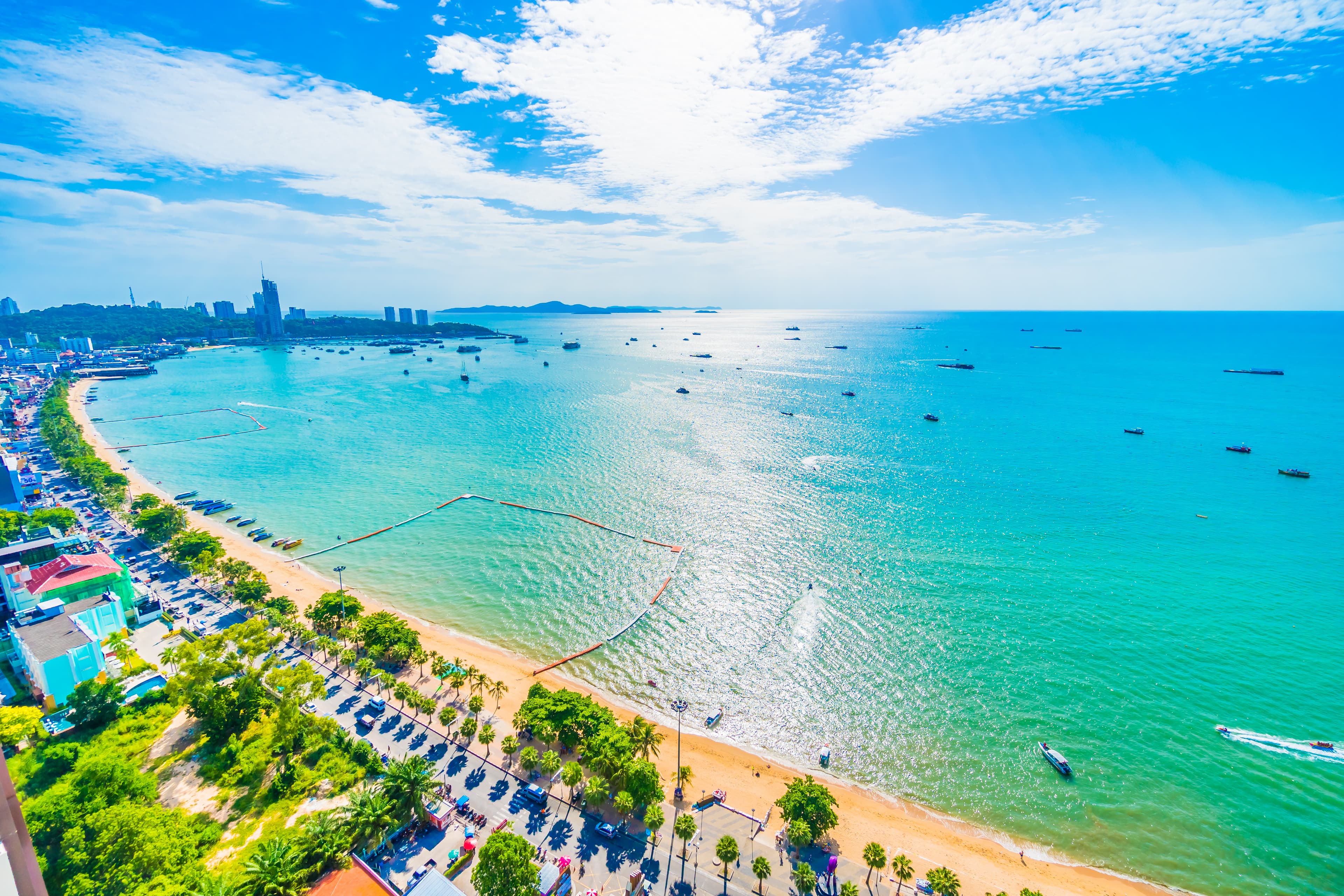
These islands sit on the Gulf of Thailand side, where the heavy rain usually waits until October and November. That makes September one of their better months, with more sun and calmer water than the west coast and far fewer people around. It's also why a lot of Thailand honeymoon packages for September lean toward Koh Samui. Resort deals are good and you have a much better shot at a clear sunset.
Divers should look at Koh Tao. Visibility is usually decent, the sea is calm enough for easy boat trips, and September is one of the windows when whale sharks show up more often around Chumphon Pinnacle and Sail Rock. Nobody can promise you one, but your odds are better than at many other times of year.
The Andaman coast: Phuket, Krabi, Phi Phi
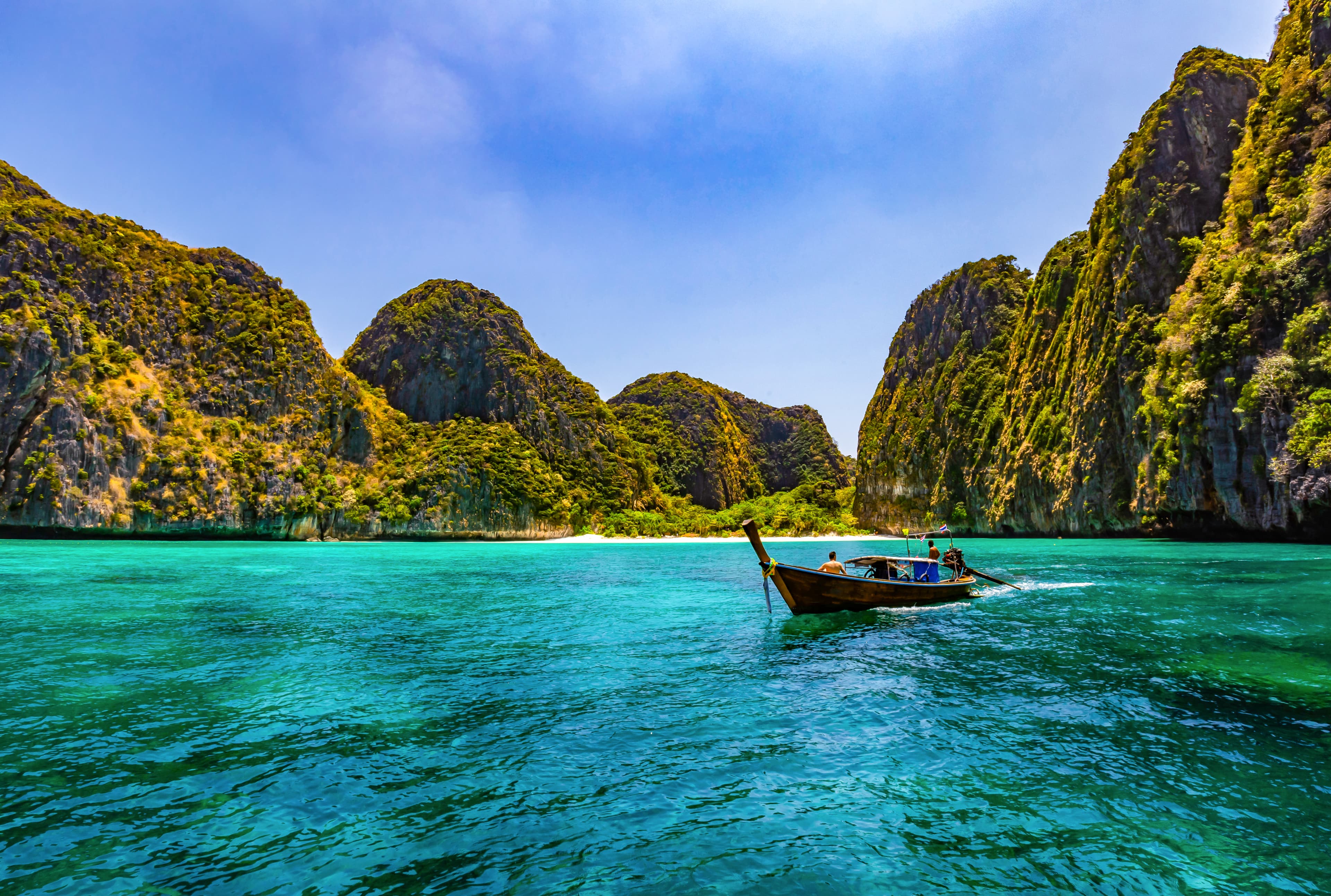
The west coast faces the monsoon winds head-on. Expect big waves and strong currents, red flags on a lot of beaches, and boat rides that will test your stomach. Ferries and island-hopping tours get cancelled or moved more often, so don't hang your whole itinerary on one boat trip.
Some of the best-known spots are off the table anyway. The Similan Islands National Park closes every year from mid-May to mid-October, both for safety and to let the reefs recover, and the Surin Islands follow a similar schedule.
If Phuket is your only option, book a hotel with a good pool and plan more days on land: Old Town, the Big Buddha, food tours, and spa time.
Chiang Mai
Chiang Mai is at its greenest in September. The rice fields and hills around the city turn deep green, waterfalls like Mae Ya and Wachirathan run hard, and white-water rafting on the Mae Taeng river is at its wildest. Trekking trails get muddy, so pick a guide who knows which routes are still safe.
Bangkok
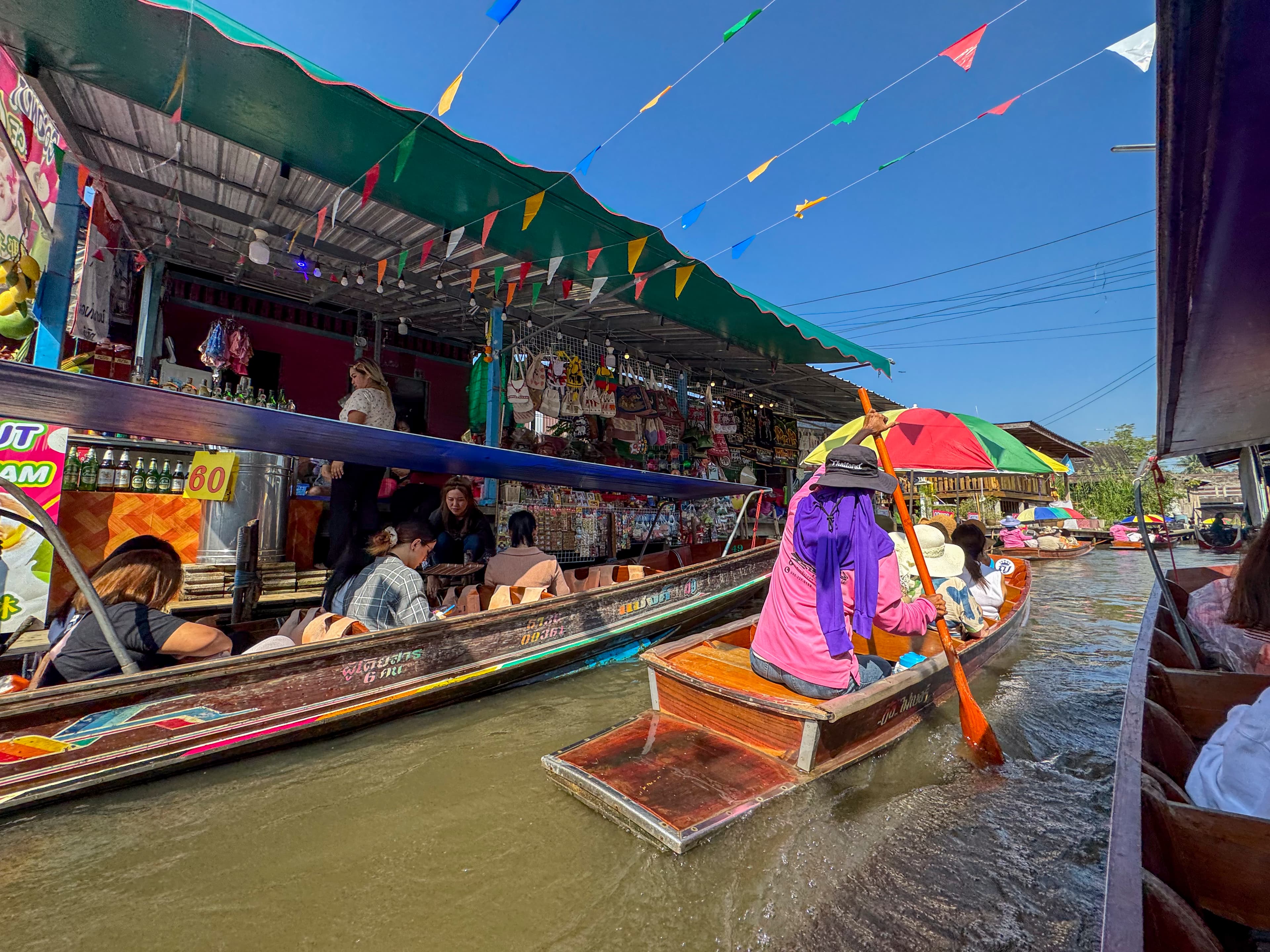
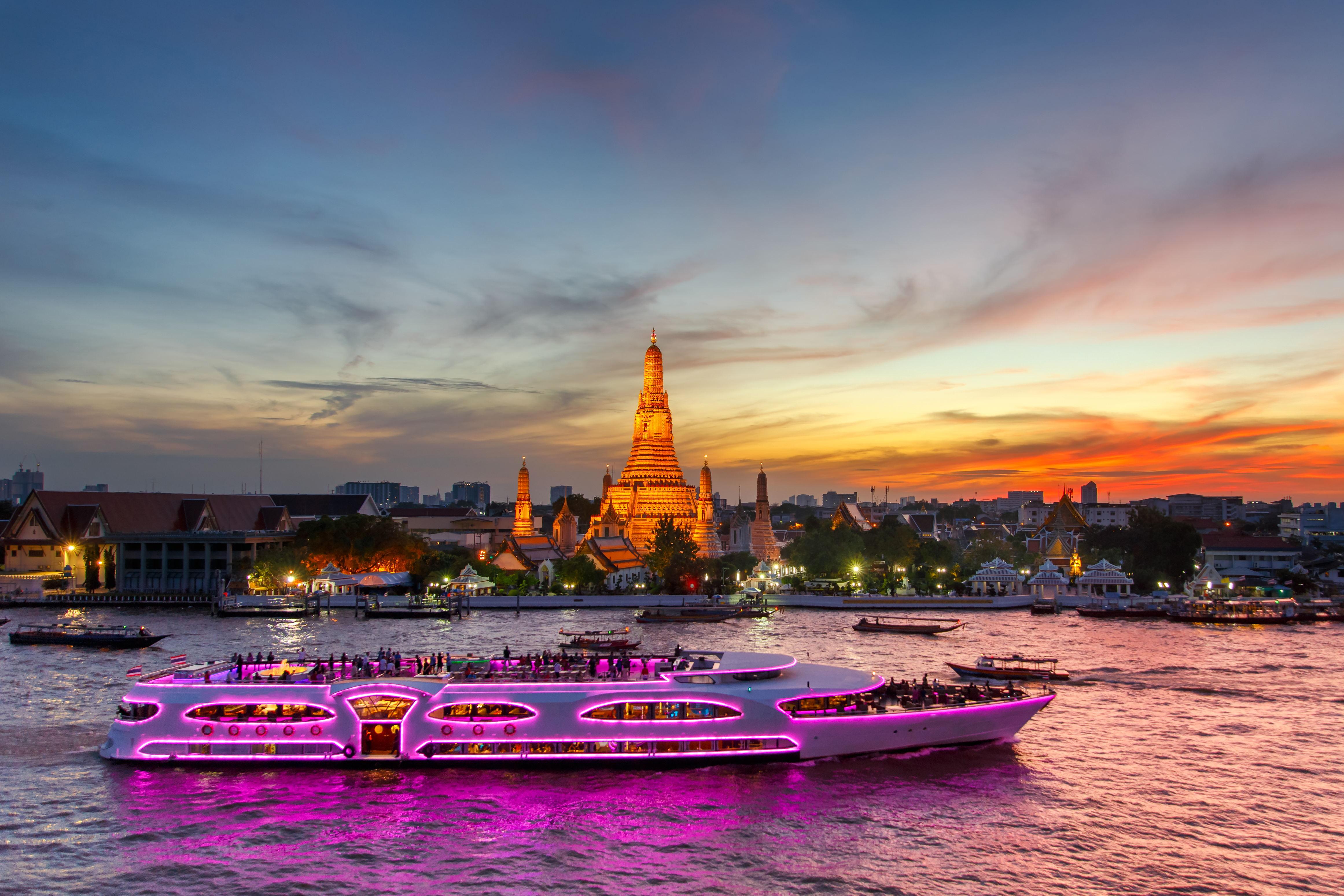
Bangkok gets plenty of rain, and some streets flood for an hour or two after a big storm. You can still get around most of the central city without wading through anything. The BTS Skytrain and MRT run above or below street level, and many stations connect straight into malls through covered skywalks. River boats on the Chao Phraya keep running in most weather too.
What to pack for the rainy season
Quick-dry clothes over heavy cotton
Pack light synthetic fabrics like nylon or polyester blends. They dry in a couple of hours, even in humid air.
Leave the thick cotton t-shirts and jeans at home. Cotton soaks up sweat and rain and stays damp all day, and in 85% humidity it sometimes won't dry overnight either. Then it starts to smell.
Shoes and waterproof gear
A small waterproof dry bag earns its space in your luggage. When a downpour hits out of nowhere, your phone, passport, and wallet go in the bag and you can stop worrying about them.
For shoes, skip cheap flat flip-flops. Temple floors, wet tiles, and muddy paths get slippery fast. Sandals or trainers with proper tread are much safer, and sport sandals that can get wet are ideal.
Conclusion: is September right for you?
If you need guaranteed sunshine for a beach wedding or a week of island-hopping by boat, plan around Thailand in January or Thailand in February instead.
If you're happy to trade a short afternoon storm for lower prices, quieter temples, and green mountains, September is a smart time to go. Stick to the Gulf side (Koh Samui, Koh Phangan, Koh Tao) or the cities, keep your plans a little flexible, pack quick-dry clothes, and grab a 7-Eleven poncho when you land.
Planning this trip?
Tell us what you have in mind and a Many2Go consultant will get back to you with a tailored plan for Thailand.