Most people planning a snorkel trip to Thailand start by asking where to go. The more useful question is when.
Thailand has two coastlines, the Andaman Sea on the west and the Gulf of Thailand on the east, and they get their rainy seasons at different times of year. In January, Koh Lipe and the Similan Islands usually have calm, glassy water where you can see the reef 20 metres below you. Head to Koh Tao that same month and you could get choppy seas and cloudy water. In July, it's the other way around.
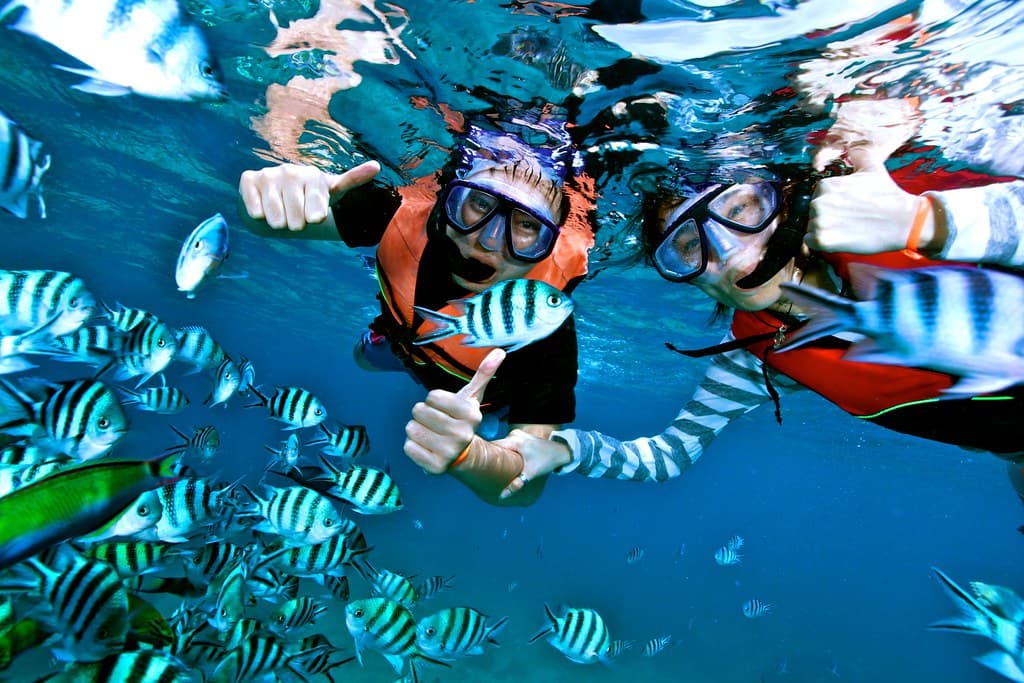
Get the timing right, and snorkeling quickly becomes one of the best things to do in Thailand. It's also one of the cheapest places in Asia to try it. The water stays between 28 and 32°C, so you won't need a wetsuit. More than 900 species of reef fish live around its roughly 500 islands, and on a few of those islands you can walk off the beach with a mask and find turtles or small blacktip reef sharks without paying for a boat.
This guide covers when to go to each coast, six islands worth visiting, what snorkel tours cost (and where you can skip them), the safety and sunscreen rules, and gear tips for beginners, kids, and non-swimmers. It's written for budget travelers, families, and anyone who would rather snorkel off the beach than spend all day on a crowded boat.
The short version
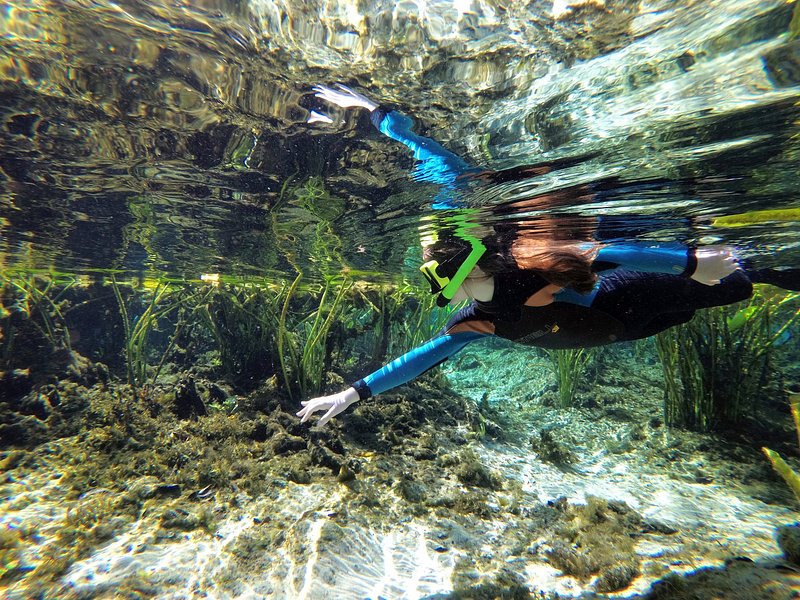
The Andaman Coast (Phuket, Krabi, Similan, Phi Phi, Koh Lipe) is best from mid-October to mid-May. The Gulf (Koh Tao, Koh Samui area) is best from February to September.
Between February and April both coasts are good, so you can snorkel both in one trip.
Shark Bay (Koh Tao), Sunrise Beach (Koh Lipe), and Bang Bao Bay (Koh Kood) all have reefs you can reach from the sand, no tour needed.
A regular snorkel tour costs around 650-1,500 THB, plus 100-500 THB in cash for national park fees. Similan day trips cost 3,000-4,100 THB.
Chemical sunscreens with oxybenzone and similar ingredients are banned in national parks, with fines up to 100,000 THB. Pack a reef-safe one.
Box jellyfish are a real risk between May and October, especially in the Gulf.
A mask that fits your face will do more for your trip than any tour upgrade, so bring your own if you can.
The two-coast weather rule: when and where to go
Thailand's southern coastline is split into two seas, and the monsoon hits them at different times of year. While one coast is calm, the other is usually rough.
The Andaman Coast (west side)
Best time: mid-October to mid-May.
This is where you'll find Phuket, Krabi, Koh Phi Phi, Koh Lanta, Koh Lipe, and the Similan and Surin Islands. In the dry season, visibility often reaches 20-40 metres, the kind of water that makes your photos look edited.
The offshore marine national parks, including the Similan and Surin Islands, close every year from May 16 to October 14. Rangers shut them to let the reefs recover, and no boats go out, so if the Similans are on your list, plan around those dates.
Thailand in May is a gamble on this side. The first two weeks can still be calm and clear, but by the second half of the month the monsoon usually arrives and the big offshore parks close. If May is your only option, go early in the month or switch to the Gulf.
Thailand in October works the other way. Early October is often still wet and windy on the Andaman coast, but conditions improve as the month goes on, and the Similan and Surin parks reopen on October 15. Late October gets you clear water before peak-season crowds and prices.
The Gulf of Thailand (east side)
Best time: February to September.
The Gulf has Koh Tao, Koh Samui, Koh Phangan, and further east, Koh Chang, Koh Kood, and Koh Rang. The bays here tend to be shallower and calmer, which suits beginners and kids.
The rough patch runs from October to December, when the northeast monsoon brings heavy rain and choppy seas. November in particular can be a washout on Koh Tao.
The overlap window: February to April
Both coasts are in good shape at the same time during these months. With two or three weeks, you could spend a week snorkeling the bays of Koh Tao, take a short flight or ferry across, and finish with a week on Koh Lipe or Phi Phi.
Here's how conditions usually look across the year:
Month | Andaman visibility | Andaman conditions | Similan/Surin parks | Gulf visibility | Gulf conditions |
Jan | 20-40m | Calm, dry | Open | 10-20m | Improving |
Feb | 20-40m | Calm, dry | Open | 15-25m | Good |
Mar | 20-40m | Calm, dry | Open | 15-30m | Very good |
Apr | 20-30m | Calm, hot | Open | 15-30m | Very good |
May | 10-25m | Turning rough late month | Closes May 16 | 15-30m | Good |
Jun | 5-15m | Monsoon, rough | Closed | 15-30m | Good |
Jul | 5-15m | Monsoon, rough | Closed | 15-30m | Very good |
Aug | 5-15m | Monsoon, rough | Closed | 15-30m | Very good |
Sep | 5-15m | Monsoon, rough | Closed | 15-25m | Good |
Oct | 10-25m | Improving | Opens Oct 15 | 10-20m | Turning rough |
Nov | 20-30m | Mostly calm | Open | 5-15m | Monsoon peak |
Dec | 20-40m | Calm, dry | Open | 5-15m | Rainy, choppy |
The top 6 snorkeling destinations in Thailand
There's no shortage of lists covering places to visit in Thailand, but these six stand out for snorkeling. Which one suits you depends on your travel dates, your budget, and whether you have kids with you.
1. Koh Tao ("Turtle Island")
Gulf coast. Good for budget travelers, beginners, and DIY snorkelers.
Koh Tao is small and relaxed, and most of its bays have reef starting a few kicks from the sand.
Shark Bay: blacktip reef sharks patrol the shallows, and green sea turtles feed on the seagrass. Go early in the morning for the best chance of seeing both. The sharks are small and shy and usually swim off when people get close.
Aow Leuk: a sheltered bay with easy beach entry and healthy coral close to shore.
Tanote Bay: rockier, with good fish life around the boulders.
Japanese Gardens: a shallow coral garden on Koh Nang Yuan (the three little islands joined by a sandbar), good for beginners and nervous swimmers.
Round-island snorkel tours are cheap and reach the spots you can't walk to. One tour plus a few days of beach entries covers most of the island.
2. Similan & Surin Islands
Andaman coast. Good for clear-water snorkeling.
Both island groups are protected national parks. Huge granite boulders drop into the sea, soft corals cover the reefs, and visibility on a good day hits 20-40 metres, so even from the surface you can see the bottom.
Most people go on a snorkel day trip from Khao Lak or Phuket. Expect an early pickup and a couple of hours each way by speedboat. The water is noticeably clearer than around the busier islands.
The parks are open only from October 15 to May 15.
3. Koh Phi Phi & Maya Bay
Andaman coast. Good for first-timers who want a classic island-hopping day.
Phi Phi gets crowded, especially between 10am and 2pm when most tour boats arrive. Go early and pick your spots, and the snorkeling is still good.
Bamboo Island: white sand with shallow reefs just offshore.
Pileh Lagoon: tall limestone walls around green, still water.
Loh Samah Bay: the bay behind Maya Bay, where boats now drop visitors off and where most snorkeling happens.
Maya Bay was closed for years after over-tourism damaged its reef. It has reopened with strict rules, and swimming inside the bay is not allowed. You can walk on the beach and look at the water from the shore. A tour that promises a swim in Maya Bay is either outdated or breaking the rules.
4. Koh Lipe & Tarutao
Andaman coast, far south near the Malaysian border. Good for families, DIY snorkelers, and slow travelers.
On Koh Lipe you can skip tours entirely. The reefs start right off the beach, and the island is small enough to walk across.
Sunrise Beach: long and wide, lined with shallow fringing reef.
Sunset Beach: quieter, with good coral off the rocks.
Pattaya Beach: the main beach. It's busier with boats, but the edges still have decent snorkeling.
Lipe is inside Tarutao National Marine Park, so you'll pay a park fee when you arrive. Boat trips to nearby Koh Rok and Koh Adang are cheap if you want more variety.
Krabi & the 4 Islands
Andaman coast. Good for families and easy half-day tours.
The 4 Islands tour from Ao Nang or Railay is one of Krabi's most popular day trips. It's short and cheap, and it suits families.
Koh Poda: soft sand and calm water, with some coral off the edges.
Chicken Island (Koh Kai): named for a rock shaped like a chicken's head, with good snorkeling around its base.
Thale Waek sandbar: at low tide a strip of sand connects a few small islands and you can walk across the sea. Kids love it, so check the tide times before you book.
The reefs aren't as rich as the Similans or Koh Tao, but it's a good first snorkel and works with small children.
6. Koh Kood & Koh Rang
Eastern Gulf, near Cambodia. Good for avoiding crowds, families, and quiet DIY trips.
Far fewer tourists make it out this way. Koh Kood is green and quiet, with no big resorts lining the beaches.
Koh Rang Marine Park: a cluster of small protected islands with clear water and some of the healthiest reefs in the eastern Gulf. Most people visit on a day trip from Koh Kood or Koh Chang. On calm days, its shallow, sheltered areas suit kids and first-timers.
Bang Bao Bay (Koh Kood): calm water you can snorkel straight from shore.
If you're traveling between February and April and want to avoid the Phi Phi and Koh Tao crowds, come here. It's also worth a look if you're putting together a Thailand honeymoon package and want quiet beaches and calm water instead of party islands.
Snorkel gear and beginner tips
Most first-time problems come down to gear that doesn't fit or isn't set up properly.
Getting a mask that seals
A leaky, foggy mask ruins more snorkel trips than bad weather does.
To check the fit, hold the mask against your face without the strap and breathe in gently through your nose. If it stays on by itself, it fits. If it falls off, try another.
To stop fogging:
New masks have a factory coating that causes fog. Before your trip, scrub the inside of the lens with a little toothpaste and rinse it well.
Before each swim, spread a thin layer of anti-fog drops or baby shampoo on the lens, then rinse lightly.
Keep your hair out of the seal.
A moustache breaks the seal and lets water in. A thin layer of petroleum jelly or beard balm along the moustache line helps a lot. You can also live with a little leaking and clear the mask by tilting your head back and breathing out through your nose.
A dry-top snorkel has a valve that closes when a wave splashes over it or you duck under, so you stop swallowing seawater. It's a big help for beginners.
Snorkeling for non-swimmers and kids
You don't need to be a strong swimmer to enjoy Thailand's reefs if you have the right setup.
A snorkel vest or buoyancy vest keeps you floating, so you can relax and look down.
Pick shallow, sheltered spots. Japanese Gardens on Koh Nang Yuan, Sunrise Beach on Koh Lipe, and the bays around Koh Kood all work.
Let kids practice in waist-deep water, putting their faces in while standing, before heading out.
Keep kids within arm's reach. One adult per child is ideal in open water.
Keep sessions short. Twenty happy minutes beats an hour of cold, tired, crying kids.
Frequently asked questions
Do I need to book a boat tour to snorkel in Thailand?
No. You can reach plenty of good reef straight from the beach, including Shark Bay on Koh Tao, Sunrise Beach on Koh Lipe, and Bang Bao Bay on Koh Kood. Tours help for offshore islands like the Similans or Koh Rang.
Can I swim or snorkel at Maya Bay?
No. Swimming inside Maya Bay is banned to protect the recovering reef. You can visit the beach and look at the bay from the shore, and tours snorkel in nearby coves instead.
Do I need to know how to swim to snorkel in Thailand?
Not really. With a snorkel vest and a calm, shallow spot like Japanese Gardens or Sunrise Beach, non-swimmers can float comfortably over the reef. Stay close to shore or near a guide.
Can you see whale sharks while snorkeling?
It's possible but rare. Whale sharks tend to stay around deep offshore pinnacles like Richelieu Rock (near the Surin Islands) and Sail Rock (between Koh Tao and Koh Phangan), well away from the usual snorkel spots. If one swims past your boat, you've had a very lucky day.
Planning this trip?
Tell us what you have in mind and a Many2Go consultant will get back to you with a tailored plan for Thailand.