Most people book Thailand for December or January. They pay peak prices, queue behind tour groups at the Grand Palace and fight for a sunbed in Phuket.
October and November tell a different story. The monsoon is winding down, the countryside is at its greenest, and hotels are still pricing for the quiet months. If you can live with an afternoon shower or two, autumn might be the best time you've never considered.
So is Thailand in October or Thailand in November actually a good idea? This guide covers what the weather does region by region, which islands to pick (and which to skip), the festivals worth timing your trip for, and the places to visit in Thailand when the scenery is at its best.
Why Autumn in Thailand Deserves a Spot on Your Calendar
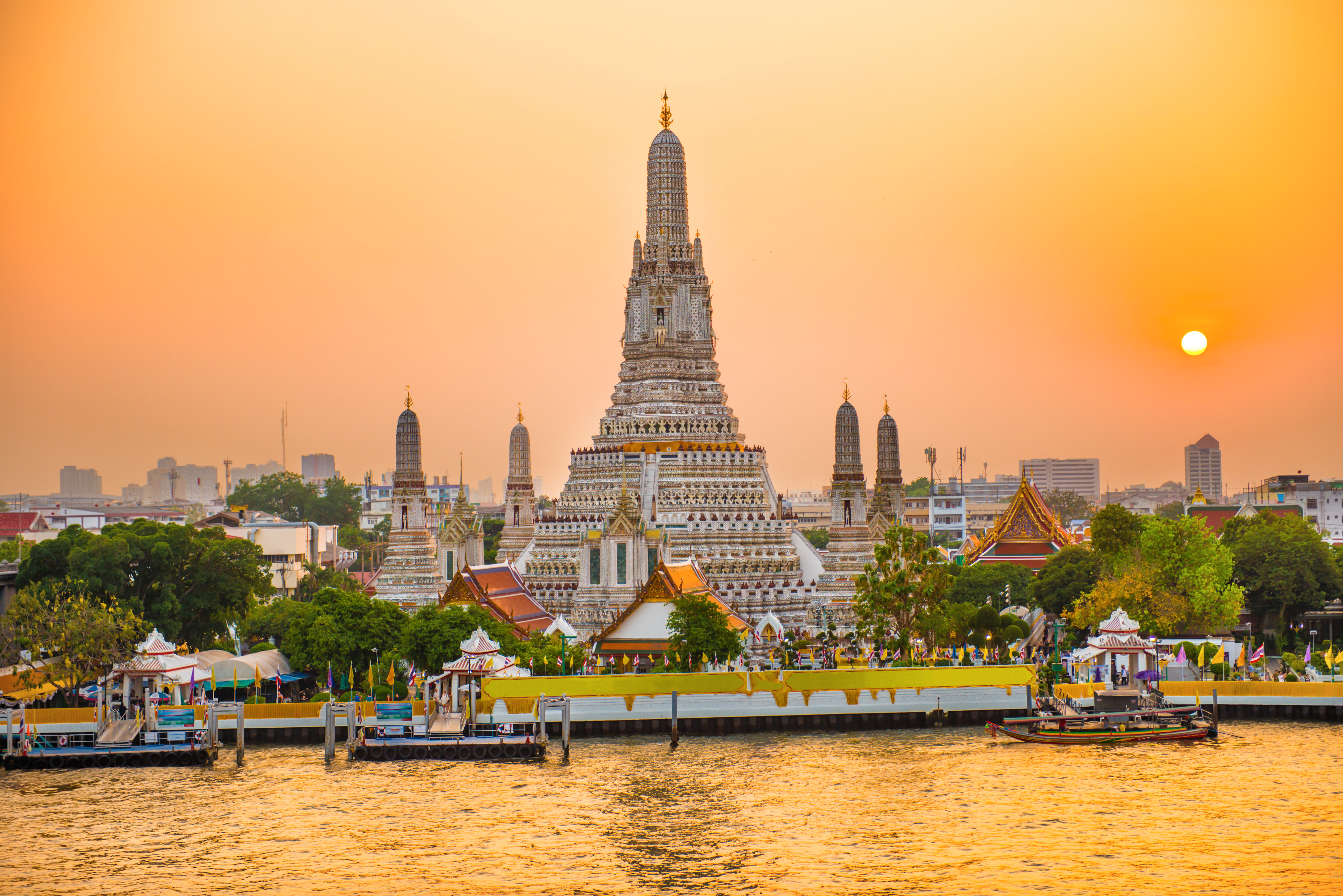
The shoulder season, explained
Thailand has three rough seasons: hot (March to May), wet (June to October) and cool (November to February). Autumn sits right on the seam between the last two. The rains are easing off, but the high-season crowds and prices haven't arrived yet.
That gap is where the value is.
What you save
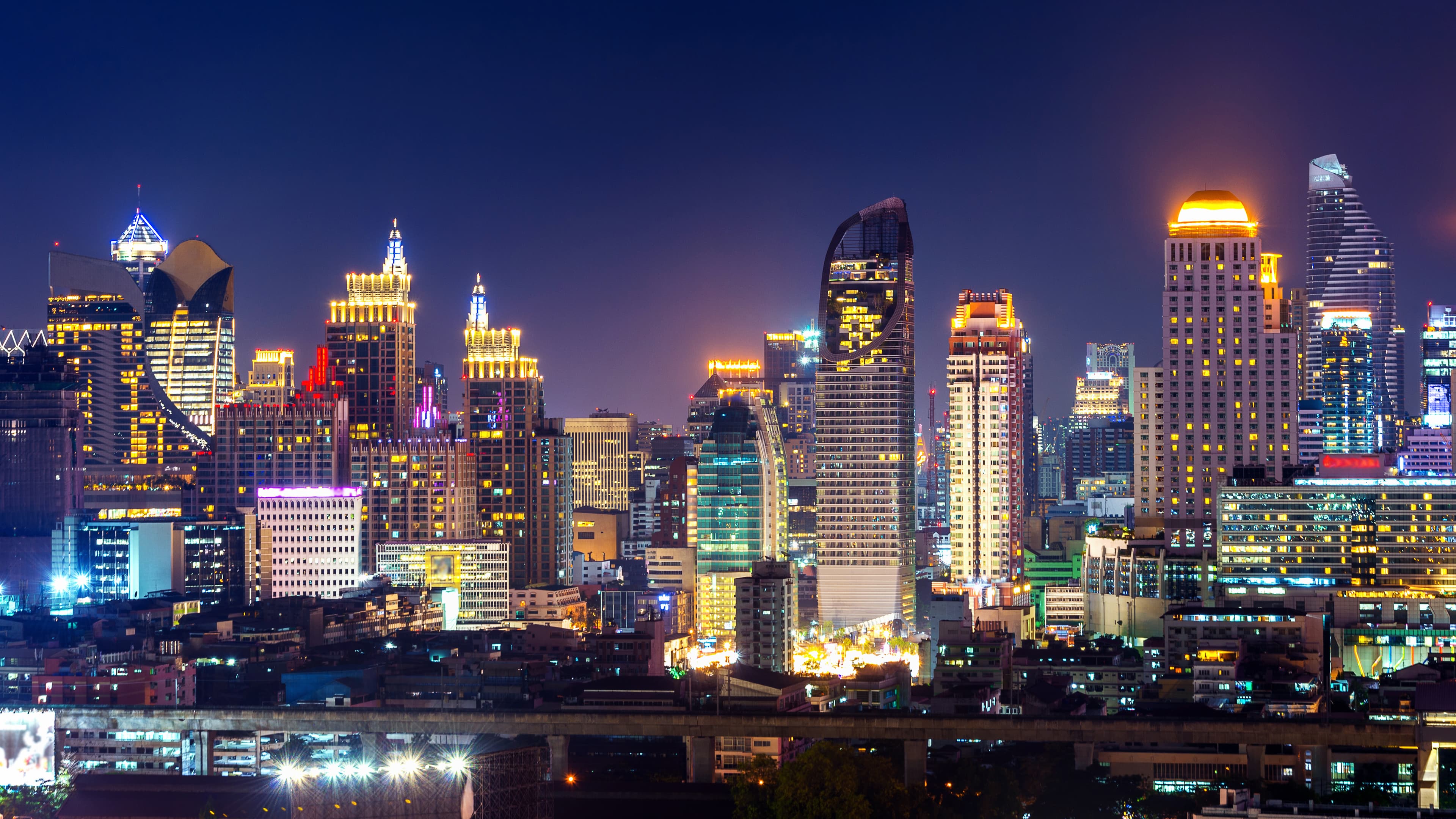
Hotels in Bangkok and Chiang Mai often run 30% to 40% cheaper in October than they do in late December. Beach resorts in places like Krabi can go even lower, with some properties cutting rates by half or more while the Andaman coast is still drying out.
The same goes for Thailand tour packages. Operators often bundle hotels, transfers and day trips at lower rates in October and early November, before high-season pricing kicks in. If you're comparing packages, check what the dates cover. A trip that starts on November 20 can cost noticeably more than one that starts on October 25.
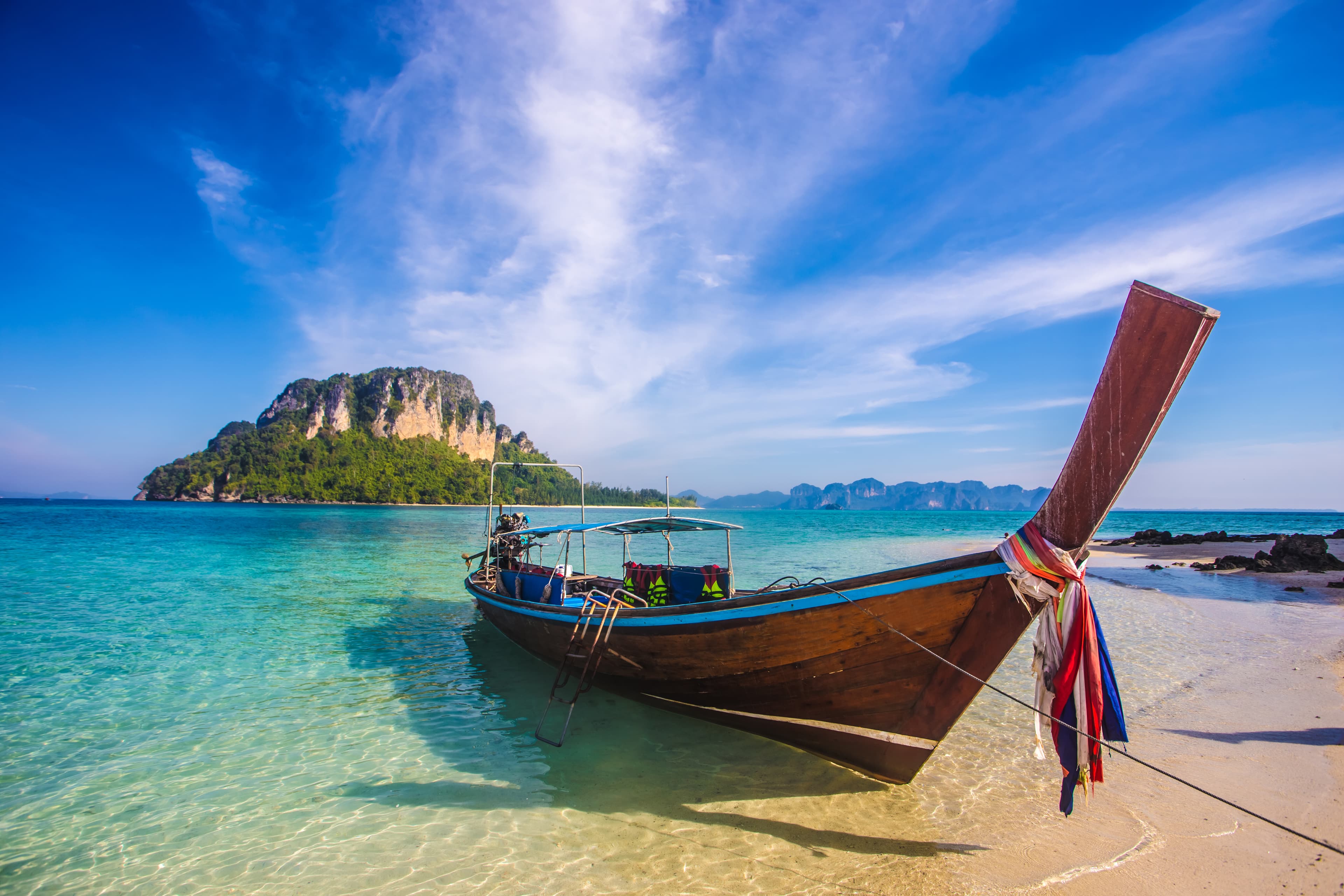
Couples do especially well here. Many Thailand honeymoon packages for Krabi and Phuket are cheaper in late October and November, and you get quieter beaches and more private villa options for the same budget.
Fewer people in your photos
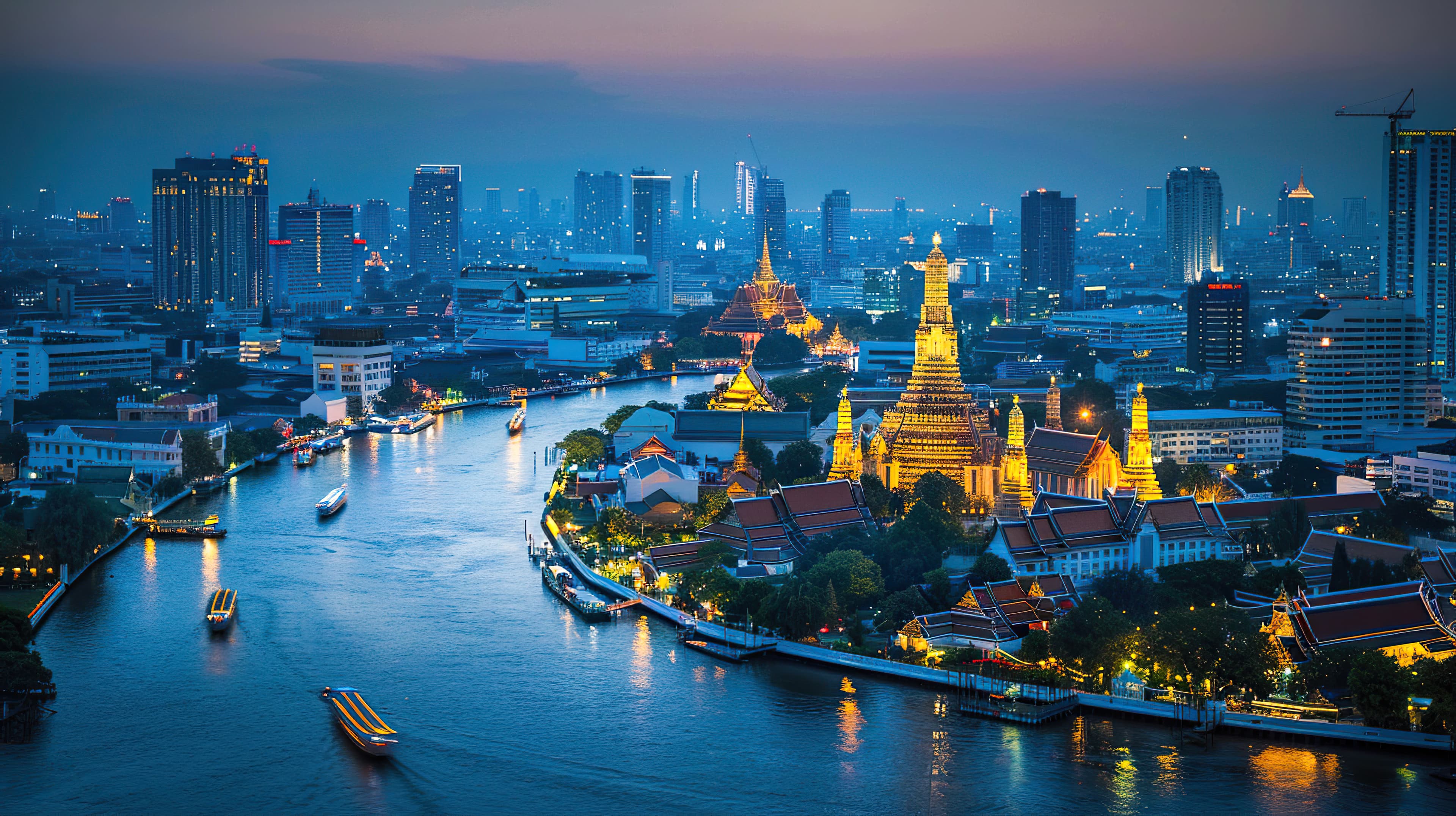
Bangkok's big-ticket sights, like the Grand Palace and Wat Pho, are noticeably quieter in autumn. You'll still see visitors, but you won't be shuffling through in a single-file line. Getting a clean shot of the Reclining Buddha without twenty phones in the frame is actually possible.
Why Thailand wants you here now
The Tourism Authority of Thailand has been pushing hard to spread visitors across the whole year rather than cramming them into four peak months. Its revenue targets lean on travelers who come in the "off" months and spend more per trip. In practice, that means more shoulder-season promotions and events aimed at people exactly like you.
About that monsoon worry
The rain usually isn't a grey, all-day drizzle. It tends to come in short, heavy bursts, often in the afternoon, lasting an hour or two. Then the sky clears and the streets steam dry.
And the rain leaves something behind. Waterfalls run at full volume, rice terraces turn bright green, and the sunsets after a storm are often the best you'll see all year.
Regional Weather Breakdown: What to Expect Where
Thailand is a long country. The weather in Chiang Mai has very little to do with the weather on Koh Samui in the same week. Here's how each region behaves in autumn.
Central Thailand (Bangkok and Ayutthaya)
Temperature: Daily highs around 25°C to 33°C (77°F to 91°F)
Rain: Roughly 14 wet days in October, tapering off sharply by November
Watch out for: The Chao Phraya River hits its yearly high water level around this time, so riverside areas can see some flooding
Daily spend: A lean budget for food, transport and entry fees runs about ฿600 to ฿1,800, not counting your room
Heavy storms usually ease by late October. Bangkok is about as comfortable as it ever gets, and walking between temples no longer leaves you soaked in sweat.
Northern Thailand (Chiang Mai and Loei)
Rain: Drops off a lot in October, to around 132 mm spread over about 12 days
Daytime: Pleasant, usually 26°C to 30°C
Nights: Cooling down fast, especially in the mountains. Highland spots in Loei and around Doi Inthanon can fall to 12°C to 15°C (54°F to 59°F) by late autumn
Pack a light fleece if you're heading to the hills. You'll want it at a 5:30 AM viewpoint.
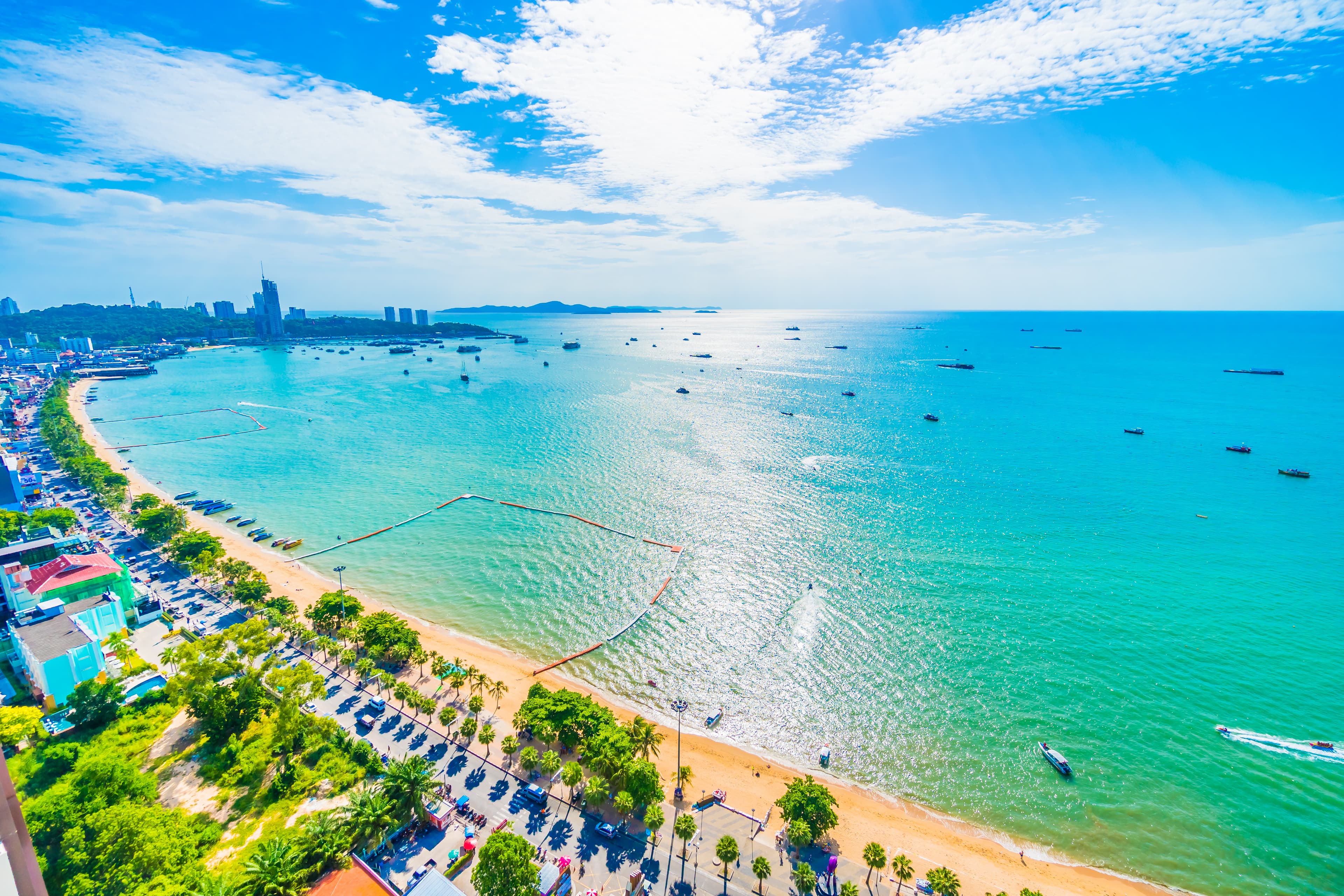
Eastern Seaboard (Pattaya, Koh Samet and Koh Chang)
This coast is a mixed bag. Koh Samet is one of the driest beach options in the country during autumn, which makes it a solid pick if you want sand without much rain. Koh Chang, not far away, is a different matter. It gets heavy October rainfall, averaging around 359 mm.
Same coastline, very different holiday.
The island trap: Andaman Coast vs Gulf Coast
This is the one decision that can make or break an autumn beach trip. Thailand's two coasts run on opposite rain schedules.
Andaman Coast | Gulf Coast | |
Main spots | Phuket, Krabi, Koh Lanta, Phi Phi | Koh Samui, Koh Phangan, Koh Tao |
October rain | 345 to 351 mm average, easing toward month's end | 266 mm and rising |
Direction of travel | Getting better | Getting worse |
Best for autumn | Late October and November | Better saved for February to August |
On the Andaman side, October is the tail end of the wet season. By late October and into November, things improve quickly and the sea calms down. That's why Krabi and Phuket feature in so many autumn honeymoon and beach itineraries.
The Gulf islands go the other way. Their main wet season runs from October through December, so the weather on Samui and Koh Tao is getting rougher just as the rest of the country dries out. Ferries can be cancelled and dive visibility drops.
The short version: in autumn, go west (Andaman), not east (Gulf).
Autumn Festivals Worth Planning Around
Autumn is one of the richest times of year for Thai festivals. If you're making a list of things to do in Thailand this season, put at least one of these on it. A few are worth building your whole trip around.
The Vegetarian Festival (Thetsakan Kin Je)
This nine-day Taoist festival is about spiritual cleansing. Participants dress in white, avoid meat, and in some places take part in processions that are not for the faint-hearted.
When: It follows the Chinese lunar calendar. In 2026, it runs from October 10 to 18. In 2027, expect late September into early October.
Where to go: Phuket is the most famous (and most intense) spot. Bangkok's Chinatown on Yaowarat Road is easier to visit and packed with food.
How to find the food: Look for yellow flags with red characters. Those mark stalls selling jay food, which is fully plant-based. Even if you eat meat, try it. Some of it is excellent.
Awk Phansa and the end of Buddhist Lent
Awk Phansa falls on the full moon that marks the end of the three-month Buddhist Lent. Across the country, you'll see:
Candlelit processions at temples
Kathin ceremonies, where people offer new robes to monks
Long-boat races on rivers in many provinces
Two regional versions stand out:
Chak Phra Festival in Surat Thani: Decorated barges carry Buddha images along the river in a big, colorful procession.
Naga Fireball Festival in Nong Khai: Along the Mekong River, crowds gather to watch for glowing balls said to rise from the water. Nobody fully agrees on what causes them, which is half the fun.
Loy Krathong and Yi Peng: getting the dates right
Some older guidebooks list Loy Krathong as an October festival. It isn't.
Loy Krathong and Chiang Mai's Yi Peng lantern festival both follow the 12th lunar month, which lands in November. In 2026, they fall around November 24 and 25. In 2027, look at November 14.
If you want to see the famous sky lanterns in Chiang Mai, book early. Hotels in the old city fill up months in advance, and prices jump for that week.
Nature and Photography After the Monsoon
Waterfalls at full power
If you love waterfalls, autumn is your season. The rains have filled every river and stream, so falls are running at their highest volume of the year. These three are among the best places to visit in Thailand right after the monsoon:
Erawan Falls (Kanchanaburi): Seven tiers of turquoise pools, about three hours from Bangkok
Thi Lo Su (Tak): Thailand's largest waterfall, remote and worth the effort
Doi Inthanon (Chiang Mai): Several big falls, including Wachirathan and Mae Ya, on the way up to the country's highest peak
A quick note on safety: high water means strong currents. Some pools may be closed for swimming after heavy rain, and park rangers mean it when they say no.
Misty mountain mornings
Up north, cool nights and damp air create the famous "sea of mist" at sunrise.
Kew Mae Pan Nature Trail: A short loop near the top of Doi Inthanon with ridge views. It typically reopens around November after the rainy season closure, so check before you go.
Doi Samer Dao (Nan): A grassy hilltop campsite known for clouds rolling through the valley below at dawn.
Shooting in tropical light
Golden hour is short here. Thailand sits close to the equator, so the sun rises and sets at a steep angle. That warm, soft light lasts about 20 to 30 minutes, not the hour you might be used to back home. In autumn, plan to be in position around 6:00 AM for sunrise and a little before 6:00 PM for sunset.
Bring two filters:
Circular polarizer: Cuts the glare off wet leaves and water, and makes greens look richer
ND filter: Lets you use slow shutter speeds for that silky waterfall effect, even in daylight
Wrapping Up
Autumn in Thailand asks for a little flexibility. In return, you get lower prices, quieter temples, greener landscapes and some of the country's best festivals.
The trick is simple: pick the right region, time your trip around a festival if you can, and treat the afternoon rain as a short pause rather than a reason to stay home.
Quick takeaways
Go in late October or November for the best balance of weather and price, including on tour and honeymoon packages
Choose the Andaman coast (Phuket, Krabi) over the Gulf islands (Samui, Koh Tao) for beaches
Koh Samet is your safest bet for a dry beach on the east coast
Time your trip for a festival: the Vegetarian Festival in October or Loy Krathong and Yi Peng in late November
Chase waterfalls now, while they're at their fullest
Be ready early for photos, since golden hour lasts only 20 to 30 minutes
Planning this trip?
Tell us what you have in mind and a Many2Go consultant will get back to you with a tailored plan for Thailand.