
After years of planning Thailand holidays, we hear the same story from travellers again and again. They come home with "silk" scarves that turn out to be polyester and a heavy teak elephant they've dragged from Chiang Mai to Phuket, but somehow forget the herbal inhaler their mother specifically asked for.
Thailand does that to you. The markets are loud, cheap and endlessly tempting, and every stall seems to sell something you've never seen before. Walk through Chatuchak on a Saturday and you'll pass hand-painted ceramics, hill tribe embroidery, coconut wax candles, fake football jerseys and a man selling grilled squid, all within about fifty steps.
That variety is the fun part. It's also why souvenir shopping here works better with a bit of planning. You're juggling a budget, a luggage allowance, airline liquid rules, Thai export laws and Indian customs. And you're trying to tell a real handmade piece from a factory copy while someone quotes you a price that's three times what a local would pay.
This guide brings together everything our team briefs travellers on before they fly to Thailand, and it's the same advice we share with every guest on our Thailand tour packages. You'll get real price ranges in THB and INR, the best city for each type of souvenir, how to bargain without being rude, the scams worth knowing about, how to claim your VAT refund and how to pack fragile things so they actually survive the flight.
Key Takeaways
Budget around 10-15% of your trip spend for shopping. On a 30,000-80,000 THB trip (about ₹87,000 to ₹2.3 lakh), that's roughly 3,000-12,000 THB for souvenirs.
The best cheap gifts come from 7-Eleven, Big C and pharmacies. Inhalers, balms, Thai tea and snacks cost under 200 THB and pack easily.
Buy crafts where they're made. Wood and umbrellas in Chiang Mai, Benjarong near Samut Sakhon, pearls in Phuket. Bangkok has everything, but often at a markup.
Bargain at markets, never at malls or 7-Eleven. Aim for 10-20% off the first quote and keep smiling.
Don't buy coral, shells, turtle shell or Buddha images without understanding the rules. Fines at the airport are real.
Spend 2,000 THB or more in one shop on one day? Ask for the VAT refund form (P.P. 10) and claim at the airport before check-in.
Liquids go in checked bags. That includes curry paste, coconut oil and that bottle of SangSom.
Quick Reference: Thailand Souvenir Prices and Portability
Before getting into the details, here's a cheat sheet. We've split items into three spending tiers so you can plan who gets what.
Pocket Money (under 200 THB / under ₹580): inhalers, balms, snacks, Thai tea, small soaps. Good for office colleagues and extended family.
Mid-Tier Quality (200-1,500 THB / ₹580-₹4,350): silk scarves, Muay Thai shorts, spa sets, small ceramics, embroidered bags. Good for close friends and family.
Premium Keepsakes (1,500 THB and up / ₹4,350+): Jim Thompson silk, Karen silver, larger Benjarong pieces, teak carvings. For yourself, or someone you really like.
Souvenir | Typical Cost (THB / INR) | Best Place to Buy | Portability |
Inhalers and herbal balms | 30-200 THB (₹85-₹580) | 7-Eleven, Boots, Watsons, local pharmacies | Easy, non-fragile |
Curry pastes and spice packs | 100-300 THB (₹290-₹870) | Big C, Tops, Lotus's, local markets | Easy, checked luggage |
Thai tea (ChaTraMue) | 80-250 THB (₹230-₹725) | 7-Eleven, supermarkets | Easy |
Handwoven silk scarf (co-op or market) | 500-1,500 THB (₹1,450-₹4,350) | Chiang Mai, OTOP stores | Light, packs flat |
Muay Thai shorts and gear | 250-2,000 THB (₹725-₹5,800) | Pratunam, stadium-area shops | Soft, easy |
Spa and massage sets | 400-1,200 THB (₹1,160-₹3,480) | Night markets, HARNN, Thann | Liquids in checked bag |
Benjarong ceramics | 150-1,500+ THB (₹435-₹4,350+) | Samut Sakhon, ICONSIAM | Fragile, wrap well |
Teak carvings | 300-3,000 THB (₹870-₹8,700) | Baan Tawai, Chiang Mai | Heavy, sometimes bulky |
Authentic Thai Crafts and Cultural Treasures
This is where Thailand really earns its reputation. If you want something that still means something to you in ten years, spend your money here.
Handwoven Thai Silk: Real Silk vs. Market Polyester
Thai silk is probably the most faked souvenir in the country. Those bright, shiny scarves stacked high at Khao San Road for 100-300 THB? Almost all of them are polyester or a blend. Nothing wrong with buying one as a cheap gift, as long as you're not paying silk prices.
Real Thai mulberry silk is hand-reeled and handwoven, and you'll feel the difference. It has a slightly uneven texture with tiny slubs in the weave. The sheen shifts colour as you tilt it under light. Expect to pay 500-1,500 THB for a handwoven scarf from a cooperative or a reputable Chiang Mai shop. At Jim Thompson, the brand that put Thai silk on the world map, scarves and ties usually start around 1,500 THB and larger pieces cross 5,000 THB easily.
Northern Hill Tribe Textiles and Karen Silver
Head north and you'll find some of the most distinctive crafts in Thailand, made by the Karen, Hmong, Akha and Lisu communities.
Karen silver is the one to look out for. Standard sterling silver is 92.5% pure, but Karen silversmiths typically work with silver that's around 95-99% pure. It's softer, has a slightly matte, handmade look, and often features simple hammered patterns or leaf and bead shapes. Small earrings and rings start around 300-500 THB. Chunky bracelets and necklaces sell by weight and can run into a few thousand baht. Couples on our Thailand honeymoon packages often pick a matching pair of Karen silver rings or bangles as their one big keepsake from the trip.
For textiles, hand-embroidered Hmong bags, cushion covers and indigo-dyed fabrics cost roughly 300-1,000 THB. The best places are the Chiang Mai Sunday Walking Street, the Night Bazaar and fair-trade shops in the old city, where more of the money tends to reach the makers.
Benjarong Porcelain and Hand-Carved Woodwork
Benjarong means "five colours." It's a style of porcelain that was once reserved for the Thai royal court, painted by hand in rich enamel colours and gold. Today most of it comes from Ban Don Kai Di village in Samut Sakhon, about an hour from Bangkok, where you can watch artisans paint each piece. If you have a free half day near Bangkok, a visit here is one of the more underrated things to do in Thailand.
Small trinket boxes and teacups start around 150-300 THB. A good-quality lidded jar or a tea set runs 700-1,500 THB and beyond. If you can't make the trip out of the city, ICONSIAM's SookSiam floor and the King Power stores carry decent Benjarong, though prices are higher.
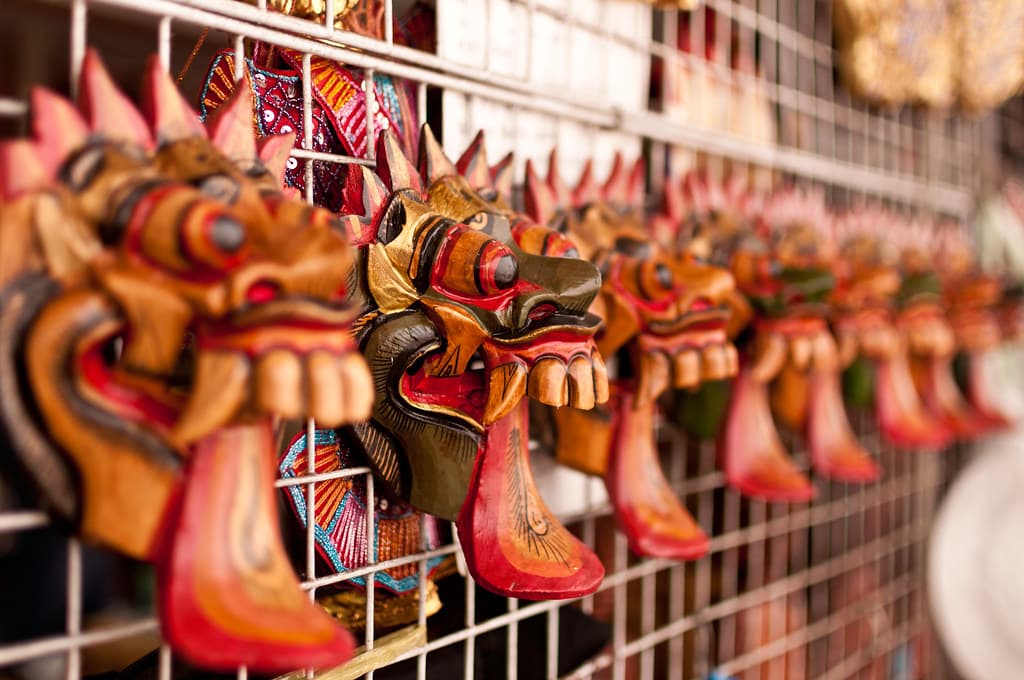
For wood, go to Baan Tawai, a village of woodcarvers just south of Chiang Mai in Hang Dong district. Teak elephants, carved panels and bowls start at around 300 THB for small pieces and go up to 3,000 THB and more for larger ones. Many shops there can ship big pieces home for you, which saves your back and your baggage allowance.
Thai Wellness, Herbal Remedies and Spa Essentials
Ask any Indian who has been to Thailand what they brought back, and inhalers will come up within the first minute. Thai herbal products are cheap, light, genuinely useful, and they make great gifts for parents and grandparents.
Iconic Inhalers (Ya Dom) and Herbal Balms
Ya dom is the little nasal inhaler stick you'll see Thai people sniffing on hot buses. It's a blend of menthol, camphor, eucalyptus and herbs, and it works well for blocked noses, motion sickness and that heavy feeling you get in Bangkok's afternoon heat.
The ones worth buying:
Poy-Sian: the classic two-in-one stick with an inhaler on one end and a balm on the other. About 30-40 THB.
Peppermint Field: a strong, clean minty inhaler. About 30-60 THB.
Hong Thai: a herbal inhaler in a small glass bottle that you open and sniff. Very popular with locals. Around 60-80 THB.
Tiger Balm: you know it already, but it's cheaper here. 40-120 THB depending on size.
Green Herb Balm: a gentler herbal balm for insect bites and itching. Around 50-100 THB.
Herbal Spa Soaps, Essential Oils and Massage Kits
If you enjoyed your Thai massage, you can take some of it home. Look for:
Cold-pressed virgin coconut oil for skin and hair, usually 100-300 THB a bottle.
Lemongrass, kaffir lime and jasmine essential oils for diffusers.
Herbal compress balls (Luk Pra Kob): cotton bundles packed with dried herbs like turmeric, lemongrass and camphor. You steam them and press them on sore muscles. Around 80-200 THB each.
Gift sets with soap, balm, oil and a compress, which run 400-1,200 THB at night markets. Premium Thai brands like HARNN and Thann sell beautifully packaged versions for a lot more.
Night markets sell similar products at a fraction of the price. The packaging is plainer, so check that the bottle is sealed and labelled.
Edible Souvenirs and Grocery Store Hacks
Here's a secret: some of the best Thai souvenirs cost less than a cup of coffee and come from the supermarket.
The 7-Eleven and Supermarket Haul (Under 100 THB)
These are perfect for office desks and big family gatherings where you need twenty small gifts, not two expensive ones.
Bento spicy squid snack: sweet, spicy and very addictive. About 20-30 THB a pack.
Koh-Kae coated peanuts: coconut, wasabi and BBQ flavours. About 20-40 THB.
Tao Kae Noi crispy seaweed: probably the most recognisable Thai snack brand. 30-60 THB.
Taro fish snack: a light, crunchy fish strip. 20-30 THB.
Dried mango and freeze-dried durian: durian is the fun one to gift because people either love it or never forgive you. 60-200 THB.
For bulk buying, Big C and Lotus's are cheaper than 7-Eleven, and they have bigger packs that are easier to split.
Curry Pastes, Spices and ChaTraMue Thai Tea
If you cook, this is the section to pay attention to.
ChaTraMue Thai tea is the brand behind the orange milk tea you've been drinking all trip. The red packet or tin is the classic Thai tea mix used for that sweet orange milk tea. The green one is Thai green tea mix. Bags start around 80 THB, tins cost a little more and look nicer as gifts. Grab a cloth tea filter from any market for 20-40 THB so the person you gift it to can make it properly.
Curry pastes from brands like Maesri and Mae Ploy come in small sealed cans or tubs for 20-60 THB each. Massaman, green, red and Panang are the four most popular. Larger tubs and sets run 100-300 THB. Add a pack of dried kaffir lime leaves and galangal from the spice aisle and you've got a solid "cook Thai at home" gift.
Local Thai Spirits and Liquors
Thai spirits are cheap, and a bottle makes a fun gift for the right person.
SangSom: Thailand's best-known rum. Around 300-400 THB.
Mekhong: sold as a "Thai spirit," made from sugarcane and rice with a hint of spice. Around 300-400 THB.
Phraya: a premium aged Thai rum in a gold bottle. Around 1,200-1,500 THB, and it looks great on a bar shelf.
Regional Shopping Guide: Where to Buy What
One of the most common mistakes we see is travellers buying heavy souvenirs on day two and then dragging them through four cities. Most lists of places to visit in Thailand focus on temples and beaches, but each region also has its own shopping speciality, so plan your souvenir stops around your route.
Bangkok: The Variety Hub
Bangkok has a bit of everything, which makes it ideal for your last day of shopping.
Chatuchak Weekend Market: over 15,000 stalls selling crafts, clothes, ceramics, home decor and food. Go early on Saturday or Sunday before the heat kicks in.
Pratunam and Platinum Fashion Mall: wholesale-priced clothes, Muay Thai shorts and bulk T-shirts. Buy three or more and prices drop.
ICONSIAM (SookSiam floor): an indoor market showcasing crafts and food from every region of Thailand. Higher prices, but great quality and air-conditioning.
MBK Center: electronics, phone accessories, cheap trinkets and souvenirs. Good for quick, budget buys.
Chiang Mai and the North: Craftsmanship Capital
If you're going north, save your craft budget for here. The quality is higher and the prices are lower than Bangkok for the same items.
Chiang Mai Night Bazaar: open every evening, with silver, textiles, wooden goods and souvenirs.
Sunday Walking Street: the old city's Ratchadamnoen Road turns into a long night market. Better for handmade items than the Night Bazaar.
Bo Sang Umbrella Village: famous for hand-painted paper and cotton parasols. Small ones fold flat and travel surprisingly well. Workshops will paint a design on your bag or phone case for a small fee.
Baan Tawai: the woodcarving village mentioned earlier. Go with space in your luggage, or a plan to ship.
Southern Islands (Phuket and Samui): Beach and Coconut Goods
Island shopping is more about beachy, relaxed souvenirs.
Coconut shell crafts: bowls, spoons, candle holders and soap dishes. Light and practical.
Pearl jewellery: Phuket has pearl farms producing cultured pearls. Buy from established shops with certificates, as beach-side "pearls" are often plastic.
Local night markets: Phuket Old Town's Sunday Walking Street and Chillva Market, and Samui's Fisherman's Village Walking Street on Fridays, are good for small handmade gifts.
Smart Shopping
How to Bargain Respectfully (Jai Yen)
Thais value jai yen, which roughly means "cool heart." Stay calm, smile and treat bargaining like a friendly chat, not a fight. Raising your voice or getting irritated over 20 baht just makes everyone lose face, including you.
Where to bargain: night markets, street stalls, Chatuchak, Pratunam and most small independent shops.
Where not to bargain: 7-Eleven, supermarkets, malls, pharmacies, restaurants and any shop with printed price tags.
How to do it:
Ask the price. "Tao rai?" means "how much?"
Smile and ask "Lot dai mai?", which means "can you give a discount?"
Counter politely. A realistic goal is 10-20% off the first quote. At touristy stalls, you can sometimes push a little further.
Buying several items from the same seller? Ask for a bundle price. It's the easiest way to get a better deal.
If you can't agree, say thank you and walk away nicely. Sometimes the seller calls you back with a lower price.
One more thing: once you've agreed on a price, pay it. Haggling down and then walking away is considered rude.
Common Tourist Scams and Eco-Laws to Know
The tuk-tuk gem scam is the classic one, and it still catches people in 2026. A friendly stranger near the Grand Palace tells you it's "closed today for a ceremony" and suggests a cheap tuk-tuk tour instead. The tour ends at a gem shop selling "special government export" stones at "duty-free" prices. They're glass or wildly overpriced. The Grand Palace is almost never closed, so walk to the gate and check for yourself.
Other ones to watch for:
"Real silver" at very low prices. Silver-plated brass is common. Look for a stamp (925 or higher) and buy from established shops.
Fake branded goods. Cheap, everywhere, and can be confiscated by customs back home.
Overpriced "factory tours" arranged by drivers who earn a commission on anything you buy.
Environmental laws matter here. Thailand bans the export of coral, certain seashells, turtle shell items and ivory, and international wildlife laws make many of these illegal to bring into India too. Airport fines can be heavy, and "I bought it at a market" doesn't count as a defence. Leave the shells on the beach.
Frequently Asked Questions
What is the most famous souvenir to buy in Thailand?
Thai silk is the most iconic, especially from Jim Thompson or Chiang Mai weavers. For something cheap and popular, herbal inhalers like Poy-Sian and Thai tea from ChaTraMue are the gifts most people end up buying in bulk.
Can I bring packaged curry paste in my checked luggage?
Yes. Sealed, commercially packaged curry paste is fine in checked luggage. If the tub or can is over 100ml, it can't go in your carry-on. Wrap it in a zip-lock bag in case it leaks.
How do I know if Thai silver or silk is authentic?
For silver, look for a purity stamp like 925 or higher, and buy from established shops or reputable Karen silver sellers in Chiang Mai. For silk, check that it feels warm to the touch, has a slightly uneven weave and changes colour in the light. The burn test is the most reliable check: real silk smells like burnt hair and turns to ash, while polyester melts.
Is bargaining acceptable at night markets in Thailand?
Yes, it's expected at night markets and street stalls. Keep it friendly and aim for 10-20% off the first price. Don't bargain at malls, 7-Eleven, supermarkets or shops with fixed price tags.
Planning this trip?
Tell us what you have in mind and a Many2Go consultant will get back to you with a tailored plan for Thailand.