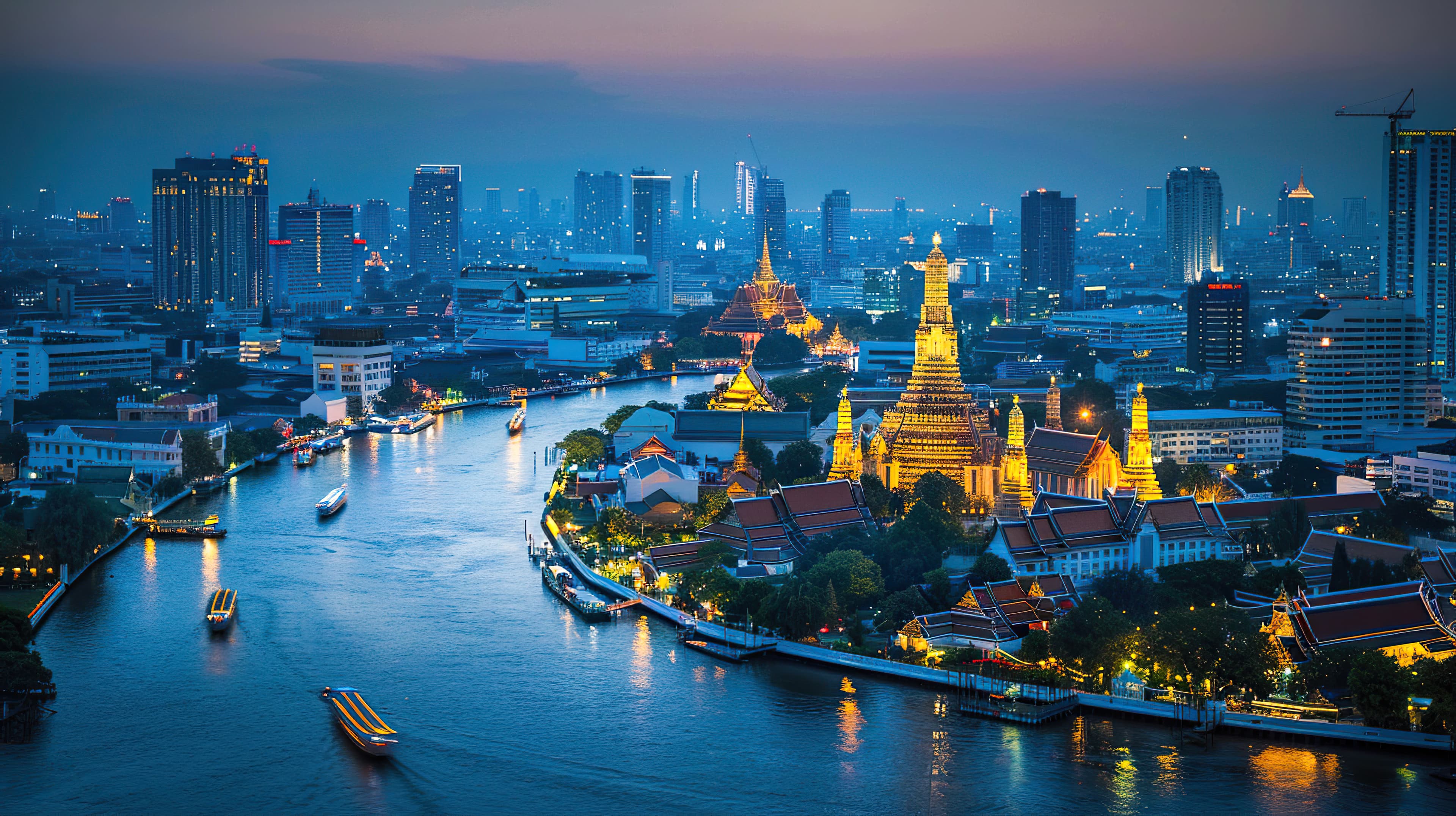
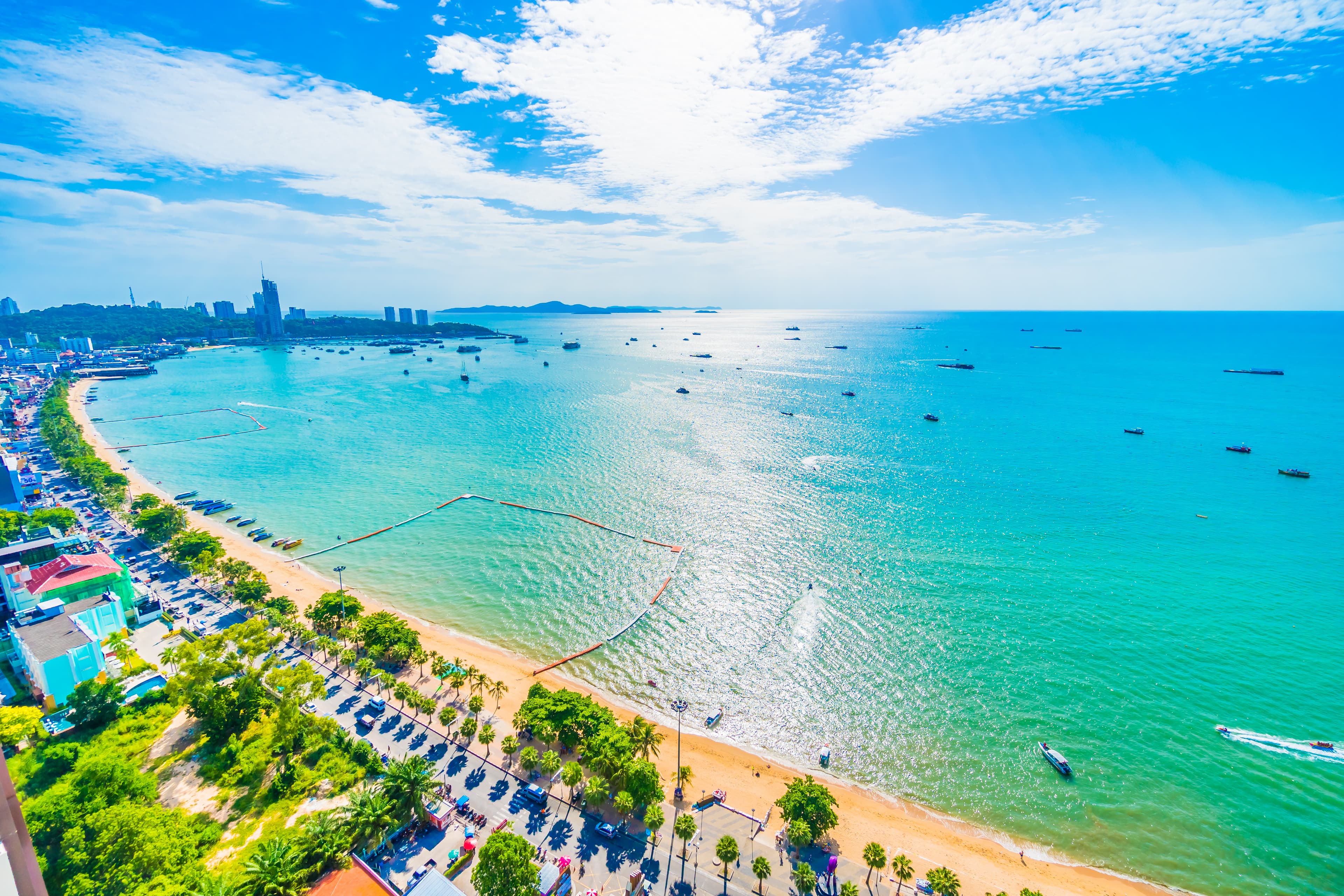
Most people hear Thailand in summer and picture two things: heat that melts your sandals, and rain that never stops. The words “monsoon season” don’t exactly sell a holiday.
The reality is much friendlier. Summer is when Thailand is at its greenest, its quietest, and often its cheapest. You just need to know which coast to pick, what the rain actually does, and where your money goes furthest.
This guide covers the weather pattern, the two coasts, where to go inland, and what things really cost.
Understanding Thailand in Summer
What “summer” means in Thailand
Thailand doesn’t have four seasons. It has three:
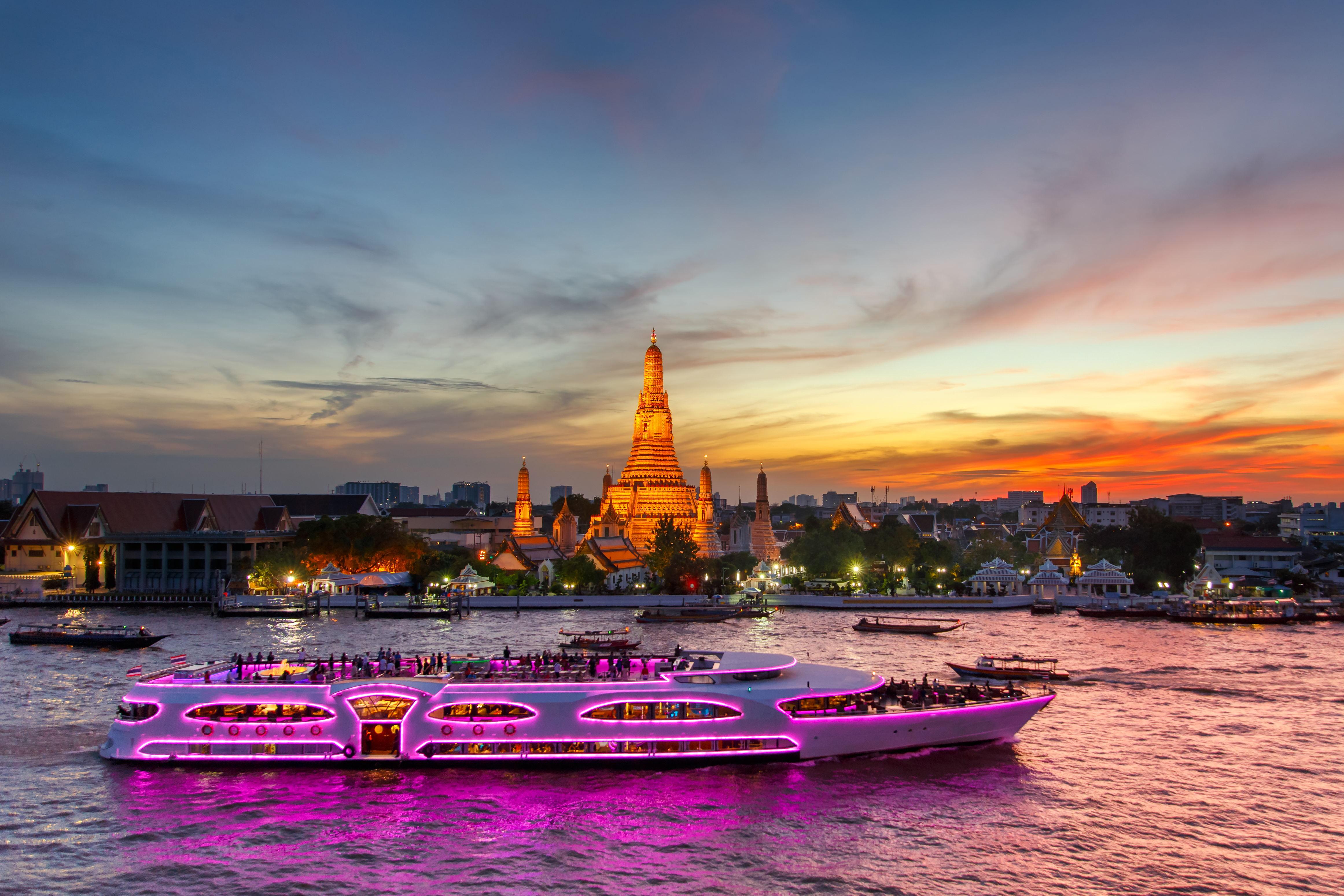
Hot season (March to May): Dry, sunny, and properly hot. April regularly pushes past 35°C in Bangkok, and Thais actually call this stretch “summer.” If you’re looking at Thailand in March, expect clear skies and calm seas on both coasts, with a lot of heat.
Rainy or green season (June to October): Cooler than April, humid, with regular rain. The Andaman side starts drying out toward the end, which is why Thailand in October suits travelers who want low prices just before the busy season starts.
Cool season (November to February): Dry, pleasant, and the busiest and most expensive time to visit.
When travelers from India plan a summer trip to Thailand, it usually lines up with the school holidays in May and June, with plenty of families and couples also traveling through July, August, and into September. That’s the window this guide focuses on, with notes on May where it matters.
What summer weather really looks like
Most summer days don’t look like a monsoon movie. It rarely rains from morning till night.
A typical day goes like this: a bright, sunny morning, clouds building after lunch, then a heavy downpour in the late afternoon that lasts 20 minutes to an hour. After that the sky clears, the air cools a little, and the streets steam dry.
You’ll get the odd grey day where it drizzles for hours, and September is usually the wettest month across much of the country. For June and July, though, it’s mostly sunny mornings and short storms. Do your outdoor stuff before lunch and you’ll rarely lose a full day.
Why summer travel is worth it
Lower prices. Hotels drop their rates once the cool-season rush ends. Discounts of 30% to 50% off peak prices are common, especially at mid-range and luxury properties on the Andaman side and in the north.
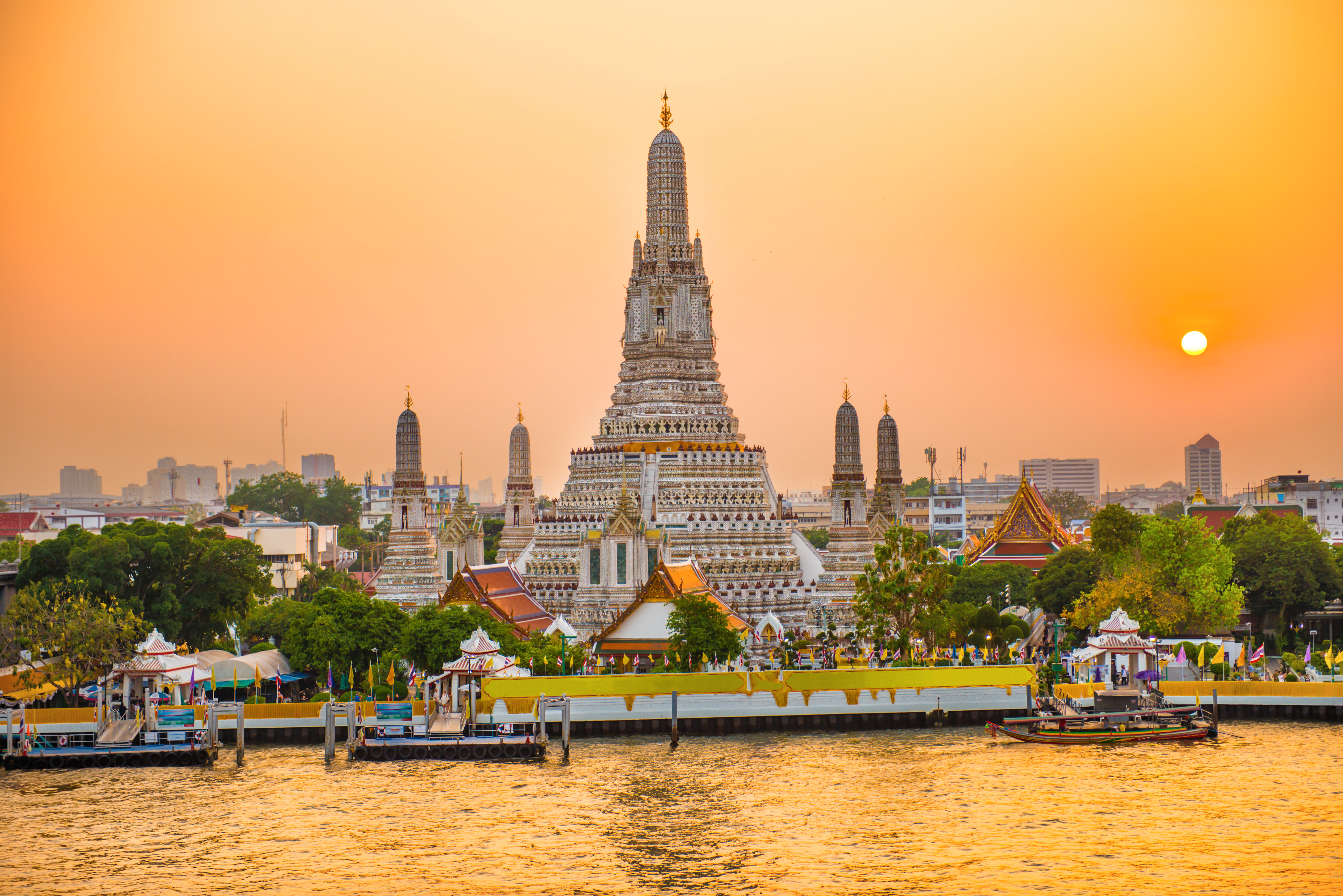
Fewer people. Temples and viewpoints that are packed in December go quiet. You can take a photo at Wat Arun without 40 strangers in it.
Everything is green. Rice paddies are flooded, the jungle is thick, and waterfalls that trickle in March are full by July.
The Two Coasts in Summer: Where to Go (and Where to Avoid)
If you only get one thing right on a summer beach trip, make it the coast. Thailand has two coastlines, and they get their rain at different times of year.
The Gulf of Thailand: your best summer beach bet
Destinations: Koh Samui, Koh Phangan, Koh Tao
The Gulf islands sit on the eastern side of the peninsula, sheltered from the southwest monsoon that hits the Andaman coast from May to October. Their main rainy season comes later, roughly October to December.
So June, July, and August are some of the best months to be here. Expect:
Mostly sunny days with the odd short shower
Calm, swimmable water on most beaches
Good snorkeling and diving, with visibility around Koh Tao often 15 to 20 meters on a good day
Koh Samui is a favourite with couples in summer. Quiet beachfront villas, dinner in Fisherman’s Village, and flat water make it the base for a lot of Thailand honeymoon packages in these months.
The catch: because the weather is good, the Gulf islands get busy in July and August, especially with European families on school holidays. Samui prices don’t fall as much as Phuket’s. Book a few weeks ahead if you’re going in peak summer.
The Andaman Coast: surfing over swimming
Destinations: Phuket, Krabi, Khao Lak, Koh Lanta
The west coast takes the full force of the southwest monsoon. More rain, stronger winds, and big swells rolling in off the Andaman Sea.
It’s still open for business, but expect a different kind of holiday:
Swimming on open beaches can be dangerous. Rip currents are strong, and red flags go up at Patong, Karon, and Kata for much of the season. Drownings happen almost every year, usually tourists who ignored the flags.
Surfing is good. Phuket turns into a small surf town in summer. Kata, Kalim, and Surin get steady waves, and you’ll find board rentals and beginner lessons along the beach roads.
Boat trips get cancelled. Island-hopping tours from Krabi and Phuket run when the sea allows, and rough days can kill your plans at short notice.
Hotel deals are at their best. If you want a nice resort with a pool and can skip sea swims, Phuket in June is very good value.
Koh Lanta is the quietest of the lot. Many smaller bungalows and restaurants shut completely until October, so check before you book.
Gulf vs Andaman at a glance
Gulf Coast (Samui, Phangan, Tao) | Andaman Coast (Phuket, Krabi, Lanta) | |
Typical monthly rainfall, June to August | Roughly 80 to 120 mm | Roughly 250 to 300 mm |
September rainfall | Starts rising, around 120 to 150 mm | Wettest month, often 350 mm or more |
Sea conditions | Mostly calm | Rough swells, frequent red flags |
Best for | Swimming, snorkeling, diving, island hopping | Surfing, resort stays, budget deals |
Overall summer pick | Yes | Only if you’re fine with pool days |
Rainfall figures are long-term averages and vary from year to year.
Top Regional Destinations for a Summer Itinerary
Not a beach person? Or want to break up a week on the islands? Some of the places to visit in Thailand look better in summer than at any other time of year.
Northern Highlands: Chiang Mai and Chiang Rai
The north gets regular rain in summer, and it’s also when the region looks its best. Rice terraces go bright green, mist sits on the hills in the morning, and the smoky haze from the burning season (usually February to April) is long gone.
Chiang Mai is only a few degrees cooler than Bangkok during the day, but evenings are easier, and up in the mountains the difference is real. The summit of Doi Inthanon, Thailand’s highest peak, can feel chilly.
A few ideas:
Doi Suthep early in the morning, before the afternoon clouds roll in. In summer you’ll share it with far fewer people.
Mae Kampong, a hill village about an hour from Chiang Mai, with homestays, coffee, and forest walks.
Chiang Rai’s White Temple and Blue Temple, both easy to cover in a morning before the rain.
The rice terraces around Mae Chaem, at their greenest from July onward.
Mountain roads get slippery and sometimes see landslides after heavy rain. If you rent a scooter, ride slowly and stay off the road during storms.
Bangkok and Central Thailand
Bangkok in summer is hot, humid, and loud, same as always. Do your outdoor sightseeing in the morning (the Grand Palace, Wat Pho, Wat Arun, a long-tail boat along the canals) and keep afternoons for indoor spots.
Plenty of things to do in Thailand are indoors in Bangkok, so a rainy afternoon is rarely a write-off. Good picks:
Museum Siam: Hands-on and more fun than it sounds. It covers Thai identity and history without feeling like a lecture.
Bangkok Art and Culture Centre (BACC): Next to National Stadium BTS, free to enter, with rotating exhibitions and small design shops.
Jim Thompson House: A traditional teak house turned museum. Its American owner vanished in Malaysia in 1967 and was never found. Guided tours take about 40 minutes.
MOCA Bangkok: A large private collection of modern Thai art, a bit out of the center but worth the Grab ride.
A Thai cooking class: Most are half-day sessions that start with a market visit. You eat well and go home with dishes you’ll actually make again.
When it’s pouring, Bangkok’s malls are an outing in themselves. The indoor floating market food court at ICONSIAM makes a good rainy-day lunch.
Khao Sok National Park
Khao Sok is one of the few places in Thailand that’s arguably better in the wet season. It sits in the south, between Surat Thani and the Andaman coast, and its rainforest is often described as older than the Amazon. In summer the jungle is at its thickest and the waterfalls are full.
The main draw is Cheow Lan Lake, a huge reservoir with limestone cliffs rising straight out of the water. You can sleep in floating bungalows, kayak through the morning mist, and do a guided jungle trek to look for gibbons and hornbills.
Two tips: leeches are everywhere in the wet season, so leech socks are worth the small cost. And book an overnight lake stay over a day trip, because the early morning on the water is the best part.
Khao Sok fits neatly into a summer route too. It’s a few hours by road from Surat Thani, where you catch the ferry to Koh Samui.
Summer Budget Breakdown and Cost Realities
Which months give you the best value?
Roughly, from best value to least in the summer window:
June: The rains have just started, crowds are thin, and hotels on the Andaman coast and in the north are cutting rates. Domestic flights are often at their cheapest. For pure value, Thailand in June is hard to beat.
September: The wettest month in many places, so prices drop again. Great if you’re flexible on budget, less great if you want reliable beach days on the Andaman side.
May: Still hot, with rain arriving toward the end of the month. Prices start to dip. Thailand in May suits Indian families on school holidays who want the last of the dry weather before the rains settle in.
July and August: Busier because of European and Middle Eastern school holidays. Bangkok and the Andaman coast stay affordable, but the Gulf islands can get close to high-season prices.
The biggest savings are on 4-star and 5-star hotels. A resort that charges top rates over Christmas might offer the same room in June for well under half, often with a free upgrade or breakfast thrown in. Domestic flights on AirAsia and Thai Lion Air are noticeably cheaper outside the peak months too, especially if you book a few weeks out.
That’s also why many Thailand tour packages cost less in summer. With hotels and flights both cheaper, a Bangkok, Chiang Mai, and Koh Samui package can run noticeably lower in June than the same route in December.
Day tours are mixed. Some operators drop prices to fill boats, others just run fewer departures. Check the cancellation policy on any sea trip in case the weather turns.
Small daily costs to expect
None of these will hurt, but they add up over two weeks:
Rain poncho: 20 to 40 THB at 7-Eleven
Umbrella: 100 to 200 THB from street stalls or convenience stores
Local mosquito repellent: 30 to 50 THB for a small bottle or roll-on at any pharmacy or 7-Eleven
Coin laundry: Around 30 to 50 THB per wash, with dryers costing about the same
Leech socks (for Khao Sok or jungle treks): Sold or rented near the park
Whatever you spend here, the hotel savings cover it many times over.
Conclusion: Is Thailand in Summer Worth It?
Yes, if you’re a little flexible. Plan your beach days around the coast with the better weather, get out early, and treat the afternoon rain as a break.
Do that and you get a cheaper trip, quieter temples, greener hills, and a side of Thailand most December visitors never see.
Go to the Gulf islands (Samui, Phangan, Tao) for summer beaches and swimming.
Pick Phuket or Krabi only if you want resort deals, surfing, or pool days over sea swims.
Add Chiang Mai, Bangkok, or Khao Sok for green scenery and easy rainy-day plans.
Sightsee in the morning and keep afternoons loose.
Travel in June for the best overall value.
Calm water on Koh Samui, a resort in Phuket at half the December price, a misty morning on Doi Suthep with nobody else around. That’s a pretty good trade for a few afternoon storms.
Planning this trip?
Tell us what you have in mind and a Many2Go consultant will get back to you with a tailored plan for Thailand.