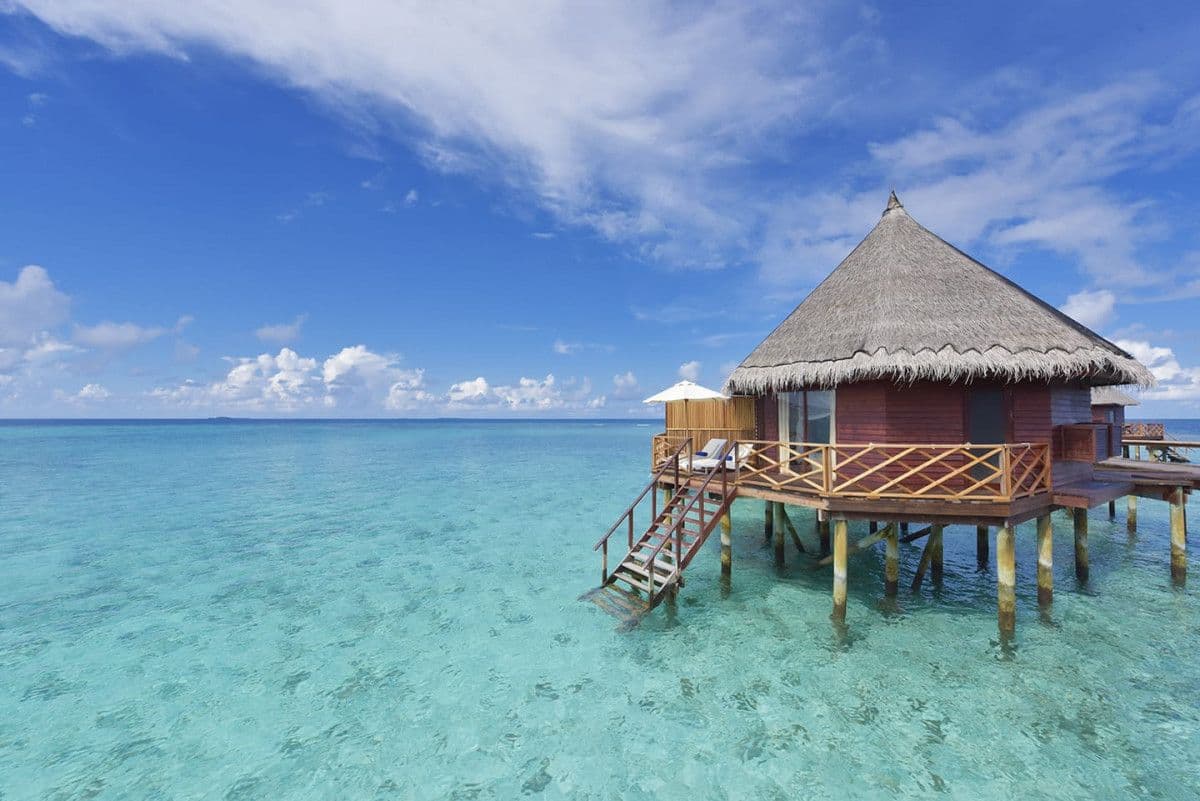

If you're looking at the Maldives for January, you've picked the month most travel planners would choose for their own holiday. It's the middle of the dry season. The sea is calm, the sky stays blue most of the day, and you can see the reef from your villa deck.
Plenty of other people have worked this out too, though. January is peak season, prices are high, and the best overwater villas are often gone months in advance.
This guide covers what January weather is like, what you'll pay, where to snorkel and dive, how to pick between a resort and a local island, and the entry rules that changed recently.
Quick Answer: Is January a Good Time to Visit the Maldives?
January is the best months of the year for weather in the Maldives. Expect daytime highs around 30°C, sea temperatures near 28°C, about 8 hours of sunshine a day and very little rain.
Key takeaways:
Weather: Dry season (northeast monsoon). Sunny days, calm seas and good underwater visibility.
Prices: 20% to 40% higher than the May to October wet season. The first week of January carries festive surcharges, so dates after 10 January get you the same weather for less.
Book by: September or October if you want an overwater villa. Popular categories sell out early.
Before you fly: Fill in the free IMUGA Traveller Declaration within 96 hours of your flight, and don't pack a vape. They're illegal in the Maldives.
Marine life: A good month for diving and snorkeling. For manta rays, go to reefs on the west side of the atolls. The big manta gatherings at Hanifaru Bay happen in the wet season, not January.
January Weather in the Maldives
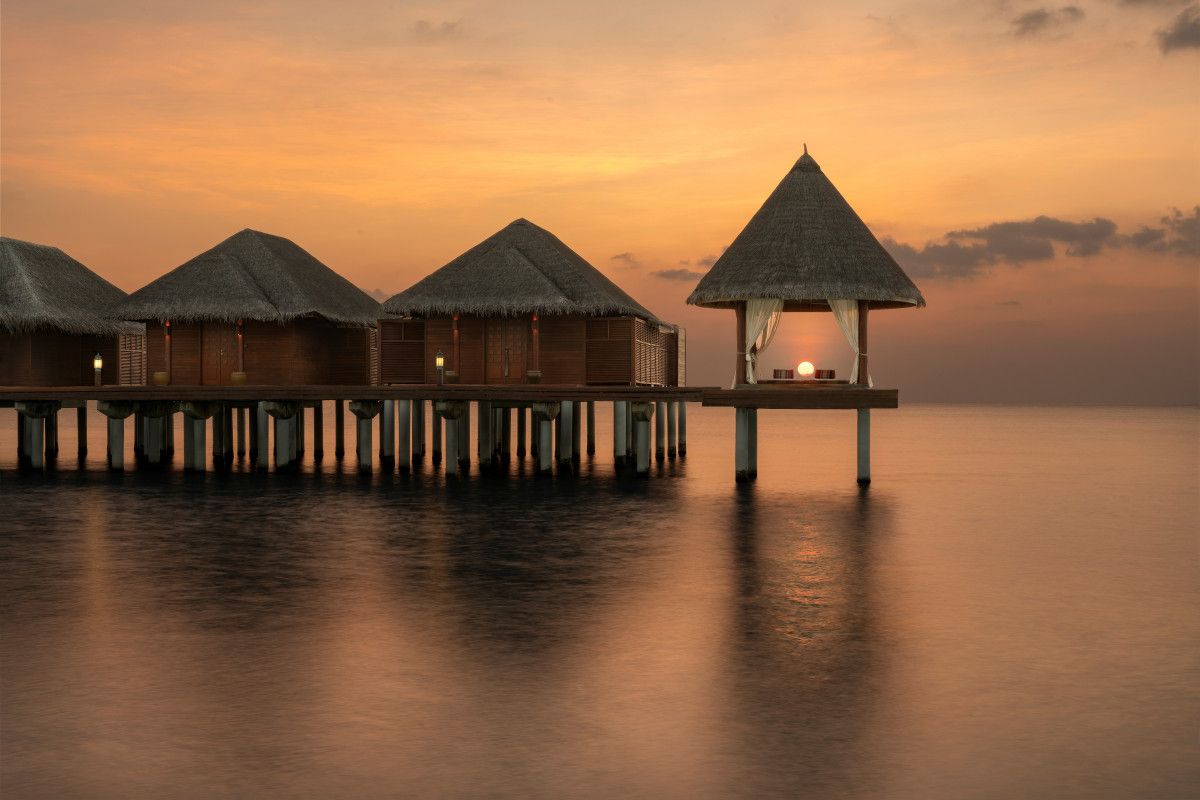
January falls in the middle of the northeast monsoon, which Maldivians call Iruvai. The wind brings dry air down from the Asian mainland, so skies stay clear and the air feels a little less sticky than it does mid-year. January and February are usually the sunniest months on the calendar.
Weather metric | January average |
Daytime high | 30°C to 31°C (86°F to 88°F) |
Night-time low | Around 24°C (75°F) |
Sea temperature | Around 28°C (82°F) |
Sunshine | 8+ hours a day |
Rainfall | 50 to 75 mm, across roughly 5 days |
Sea conditions | Generally calm |
When it does rain, it's usually a quick shower that's gone within the hour. You won't lose whole days to weather the way you can in June or July. Nights stay warm, but the breeze on a jetty or a cold restaurant can catch you out, so pack one light layer.
Who January suits best
Honeymooners who want weather they can count on for photos and sunset dinners
Divers and underwater photographers, since visibility on the eastern channels is at its best
Winter-sun travellers from Europe, the UK and North America getting away from the cold
First-time visitors who don't want to gamble on monsoon rain
If you're after the lowest price, or you want to watch hundreds of mantas feeding in one bay, the wet season suits you better. More on that below.
January Prices: What Peak Season Really Costs
Expect to pay more than the rest of the year
January is high season. Room rates and activity prices usually run 20% to 40% above what you'd pay between May and October.
The most expensive stretch runs from Christmas into the first few days of January. Many resorts add festive surcharges of 50% to 100% for those dates, and some insist on minimum stays of 5 to 7 nights.
If you can, travel between mid-January and mid-February. The weather is the same, the festive surcharges are gone, and resorts are a bit easier to book.
When to book
Book your resort and flights 3 to 6 months ahead. For a January 2027 trip, that means September or October 2026.
This matters more in the Maldives than in most places. Each resort sits on its own island with a set number of villas, so once it's full there's no hotel next door to fall back on. If you want a specific villa type, like a sunset-facing water villa, one with a pool or a family beach villa, book early.
If you're comparing a Maldives honeymoon package, look past the headline price and check what the honeymoon extras actually are. A private dinner on the beach or a couples spa session is worth having. A bottle of sparkling wine and petals on the bed, less so.
Budget for transfers separately
Getting from the airport to your island is rarely included in the room rate, though a Maldives tour package booked through an agent sometimes bundles it in. A speedboat to a resort near Malé is the cheapest option. A seaplane to a far-off atoll costs a lot more, often several hundred dollars per person return. Ask the resort for the transfer price before you book.
Best Things to Do in the Maldives in January
1. Snorkel and dive
During the northeast monsoon, clean ocean water flows into the channels and thilas (underwater pinnacles) on the east side of each atoll, so that's where visibility is best. Manta rays mostly gather at feeding and cleaning sites on the west side. Plan your snorkel and dive days around that.
Banana Reef, North Malé Atoll: One of the oldest dive sites in the country, and close to the airport. You'll see soft corals, reef sharks, overhangs and plenty of fish. Fine for beginners on a calm January day.
Rangali Madivaru, South Ari Atoll: On the western edge of the Maamigili protected area, and one of the most reliable places in the country to see reef mantas in the dry season.
South Ari whale shark area: The best-known spot in the Maldives for whale sharks. Go with an operator that follows the local code of conduct: no touching, and keep your distance.
Maafushi, South Malé Atoll: The most popular local island for budget travellers, with lots of dive shops running beginner courses and day trips to nearby reefs.
About Hanifaru Bay: Hanifaru Bay in Baa Atoll turns up on almost every list of things to do in Maldives. It's part of a UNESCO Biosphere Reserve and famous for manta feeding frenzies, but those happen in the wet season, roughly May to November. In January you're unlikely to see big groups in the bay, though a few resident mantas still visit cleaning stations on Baa's outer reefs. If mantas are the main reason for your trip, go to the west-side sites above instead.
2. Look for the glowing beach on Vaadhoo
Vaadhoo Island in Raa Atoll is known for bioluminescent plankton that make the shoreline glow blue at night. Clear, dark January skies help, but it depends on the plankton and it's never guaranteed. Think of it as a bonus, and go on a night with little moonlight.
3. Spend half a day in Malé
The capital rarely tops lists of places to visit in Maldives, but it's a short ferry or speedboat ride from the airport and worth a few hours. Walk through the fish market, see the Old Friday Mosque from outside, and end up at Artificial Beach (locals call it Carnival Beach), where families swim, kids play football and food stalls open in the evening. It's the easiest way to see ordinary Maldivian life before you head to a resort island.
4. Use your overwater villa properly
Calm January seas mean you can climb down the ladder from your deck for a morning snorkel, and the lagoon is usually flat enough for paddleboarding and kayaking. Ask for a sunset-facing villa if you can, because you'll spend most evenings on the deck.
Resort Island or Local Island: Which Should You Choose?
Private resort island | Inhabited local island | |
Typical price per night | High | A fraction of resort rates |
Alcohol | Available | Not allowed |
Swimwear | Wear what you like | Bikinis only on designated "bikini beaches" |
Privacy | One resort per island | You share the island with local residents |
Best for | Honeymoons, relaxing, luxury | Budget trips, culture, divers |
Examples | Resorts in North Malé, Ari, Baa and Raa atolls | Maafushi, Thulusdhoo, Guraidhoo |
Private resort islands
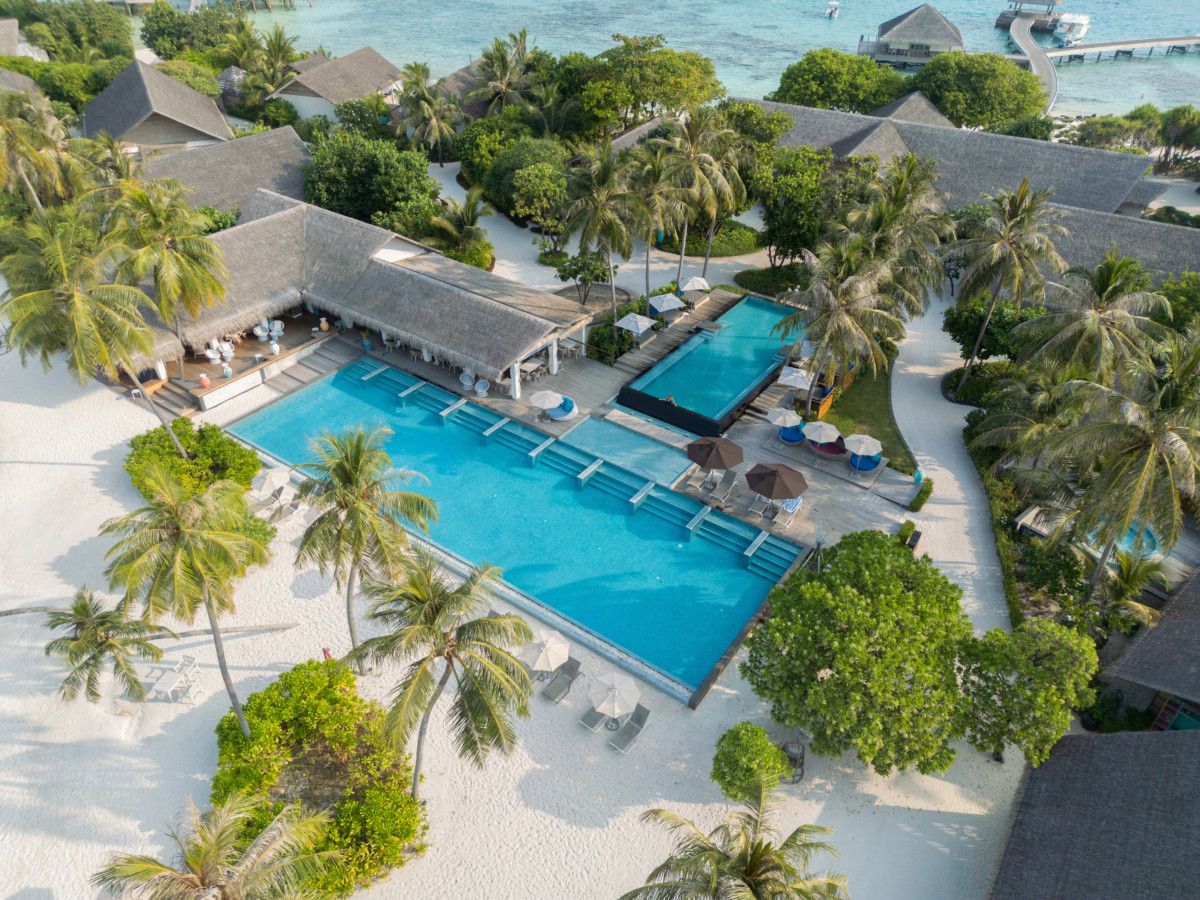
You get your own island, private beaches, restaurants, a spa and usually a house reef. Alcohol is served, dress codes are relaxed, and the resort handles your transfers. It's what most people picture when they think of the Maldives.
Resorts are also where you'll find the nightlife in Maldives. There are no clubs or bar streets. Evenings mean beach bars, DJ sets on the sand, live music and late dinners by the water, and bigger resorts usually have more going on after dark than small, quiet ones.
Local islands
Guesthouses on local islands have been allowed since 2009, and islands like Maafushi, Thulusdhoo and Guraidhoo are now popular with budget travellers and divers. You can eat at local cafés, take public ferries, and still book day trips to sandbanks or buy a resort day pass.
Before you book a local island, know the rules:
No alcohol. Inhabited islands are dry under Maldivian law, so you can only drink at licensed resorts or on liveaboard boats.
Dress modestly in the village. Cover your shoulders and knees away from the beach.
Bikinis are only allowed on designated bikini beaches.
Lots of travellers split the trip: 3 or 4 nights on a local island, then 2 or 3 nights at a resort. You save money at the start and finish with the splurge.
Conclusion: Should You Book the Maldives for January?
If weather matters most to you, January is a very safe choice. You'll get sun and calm water on almost every day of your trip, which is what you want for a honeymoon or a diving holiday.
The downside is cost and competition. You'll pay peak rates, and the best villas go early.
To sum up:
Travel after 10 January to avoid festive surcharges.
Book by September or October.
Ask for transfer prices before you confirm a resort.
For mantas, go to west-side reefs and save Hanifaru Bay for a wet-season trip.
Submit your IMUGA declaration within 96 hours of your flight, and leave the vape at home.
Frequently Asked Questions
Is January a good time to visit the Maldives?
Yes. January is one of the best months for weather, with dry, sunny days, calm seas and water around 28°C. It's peak season, though, so prices are higher and resorts book up early.
Is it cold in the Maldives in January?
No. Daytime temperatures are around 30°C and nights stay near 24°C. Bring one light layer for air-conditioned restaurants and evening breezes.
Does it rain in the Maldives in January?
Very little. Expect around 5 rainy days in the month, usually short showers that pass quickly. It's one of the driest months of the year.
How much does a Maldives trip in January cost?
It depends where you stay. Local island guesthouses can cost around USD 100 a night for two, while resort water villas often start at USD 1,000 or more a night. January rates are 20% to 40% higher than in the wet season, and the first week of the month is the most expensive.
Planning this trip?
Tell us what you have in mind and a Many2Go consultant will get back to you with a tailored plan for Maldives.