September is when Maldives prices drop and the word monsoon shows up on every weather page, so most people planning a trip end up asking the same thing: will it rain the whole time?
Usually not, but it will rain. Expect showers on about every second day, some grey skies, and maybe a boat trip that gets cancelled. In exchange, resorts cost less, the islands are quieter, and it's one of the best months to see manta rays feeding.
If you're happy to move plans around, that's a good deal. If your trip only works with blue sky in every photo, pick January to April instead.
It also helps that the rain here is warm. It's around 28°C outside and about the same in the sea, so a shower is no reason to get out of the water unless there's lightning. This guide covers what the weather does, what gets cancelled, how much you can save, and where to go for mantas.
Quick takeaways
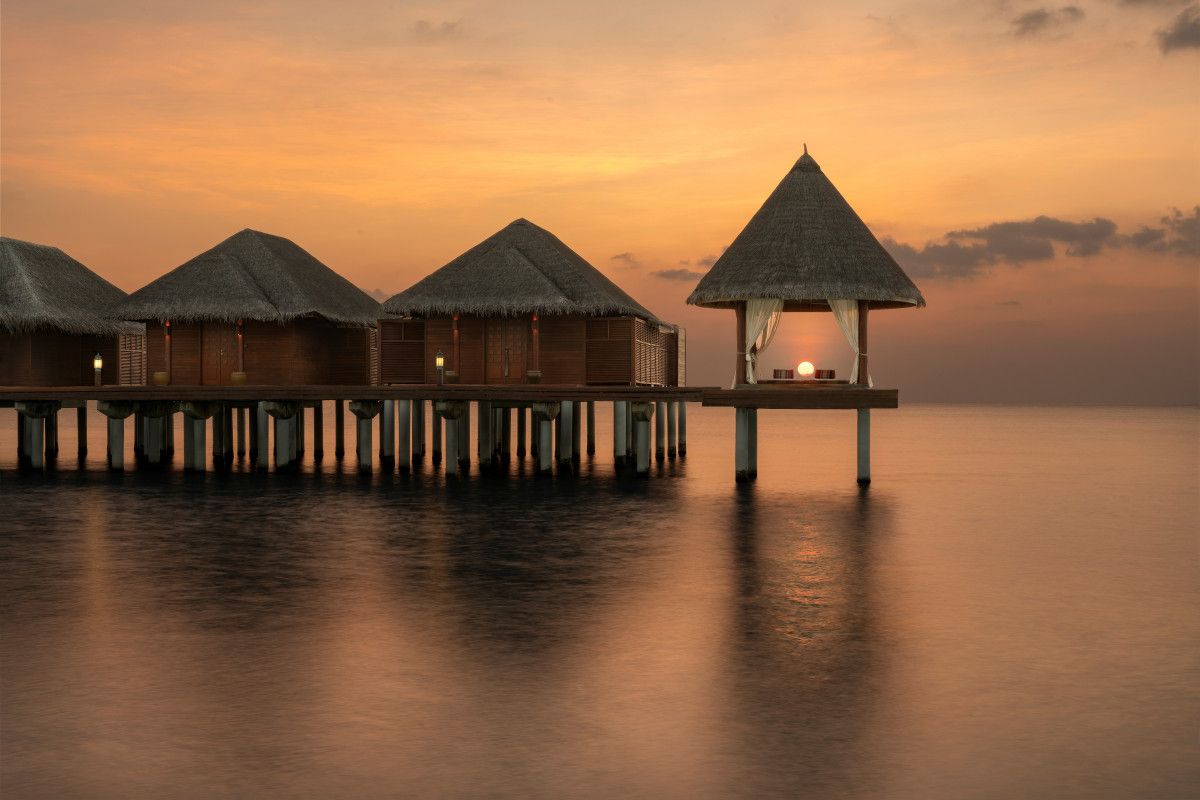
Expect 13 to 16 rain days in the month, usually as heavy bursts with dry spells between them. A fully grey day can still happen.
Rain rarely stops your holiday. Wind and rough seas are what cancel boats, sandbank trips and sometimes transfers.
Resort rates usually run 30% to 50% below peak season, though the saving varies a lot by property.
Baa Atoll is the place for mantas, and Hanifaru Bay activity often peaks from August to October. No sighting is guaranteed.
Stay at least four or five nights if mantas are the reason you're going, and leave a generous gap before your flight home.
September weather: what the numbers say
These are published averages for a normal September. Sources differ slightly, so treat them as ranges.
Measure | Typical September |
Air temperature | 26°C to 30°C (79°F to 86°F) |
Sea temperature | 28°C to 29°C (82°F to 84°F) |
Monthly rainfall | Around 175 mm to 240 mm |
Rain days | Around 13 to 16 |
Humidity | Around 80% to 85% |
Sunshine | About 6 to 7 hours a day |
UV index | Around 9 (very high) |
You'll get roughly 12 hours of daylight because the Maldives sits close to the equator, but only about half of that is direct sun. Don't skip sunscreen on cloudy days. A UV index of 9 can burn you through thin cloud.
Squalls vs all-day rain
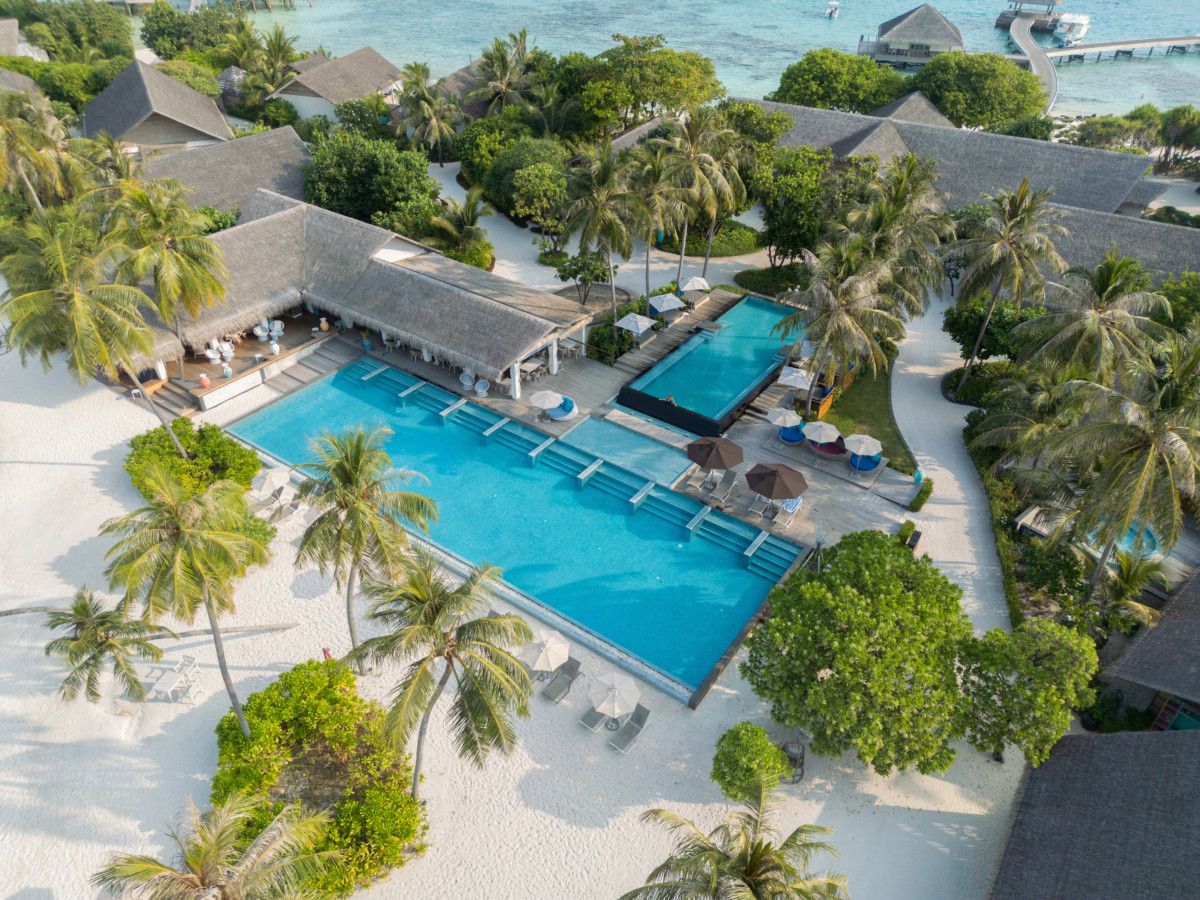
The classic September pattern is a dark wall of cloud, a hard downpour and strong gusts, followed by a break in the weather. Most showers pass within an hour or two, and mornings are often clearer.
Some days are much worse than that. In September 2022, the Maldives Meteorological Service recorded 87.8 mm of rain in 24 hours at one station, more than a third of a typical month's total in a single day. Monsoon surges can also bring several unsettled days in a row, and the Met Office issues advisories when they do.
Rain also varies by year and place. The same 2022 report showed stations ranging from 7 to 14 rain days that month. So a forecast for your exact dates is worth far more than any monthly average, and you won't get a useful one until the week you travel.
There is one upside for photographers. Heavy cloud and wet sand after a squall make for moodier, more interesting pictures than a flat blue midday sky. Keep your phone or camera close when the rain stops.
The wind vs rain rule: what runs and what gets cancelled
Most September cancellations come from wind, and rain rarely stops anything by itself.
Activity | Rain | Strong wind and swell |
Spa, dining, indoor programmes | Runs | Runs |
Swimming in a sheltered lagoon | Runs (leave the water if there's lightning) | Depends on your island |
House reef snorkelling | Usually runs | Can be unsafe, ask the dive centre |
Scuba diving | Usually runs | Sites may change or trips may stop |
Sandbank picnics | Often postponed | Often cancelled |
Dolphin and sunset cruises | Often run | Often cancelled |
Jet skis, parasailing, towed sports | Often paused | Usually cancelled |
Seaplane transfers | Fly in light rain | Delayed by storms and low visibility |
Speedboat transfers | Run | Rougher, delayed in severe conditions |
Below the surface, a shower makes little difference. Plankton affects visibility far more than rain does. The problem starts when the wind picks up, because small boats have to cross open water to reach anything beyond your island. During strong monsoon spells, the Maldivian authorities have advised people to postpone non-essential sea travel, and resort boat teams will make their own safety calls.
If your resort cancels a trip, ask to move it to the next calm morning. For that reason, book your must-do excursion early in your stay. A sandbank picnic on your last full day has no backup date.
September prices: how much can you save?
Most resorts discount September by around 30% to 50% against December to April. Outrigger's guide puts it at 40% to 60%, while Resort Life says 25% to 40%.
Perks can beat the headline discount
Low-season deals often come with extras, and these can save you more than a few percentage points off the room. Common ones include free nights, room upgrades, spa credit, and meal plan upgrades. One 2026 offer from Kagi Maldives in North Male Atoll, for example, paired room savings with a free upgrade from bed and breakfast to full board.
Food and transfers are where Maldives budgets usually go wrong, so a free meal upgrade or a transfer discount can be worth more than it looks. If you're looking at a room rate or a Maldives tour package, compare offers on the final price, including service charge, T-GST, Green Tax, meals and transfers. Published rates don't always show the best available deal either, so ask the resort or your travel agent directly.
You also share the island with fewer guests, so beaches and restaurants are quieter and dive boats carry smaller groups.
Mantas and whale sharks in September
This is the strongest reason to pick September over May or June.
During the southwest monsoon, wind and currents push plankton across the atolls and concentrate it on their eastern sides. Manta rays and whale sharks follow the food. From around May to November, then, you want the eastern side of an atoll. In the dry season, the action flips to the west.
The trade-off is visibility. Dry-season water can exceed 30 metres, while monsoon visibility often falls to around 12 to 20 metres, and less on plankton-heavy days. The water looks greener because it's full of the food that brings the big animals in. If you care most about clear reef photos, go between January and April. If you want mantas, cloudy water is a good sign.
Hanifaru Bay rules and how to visit
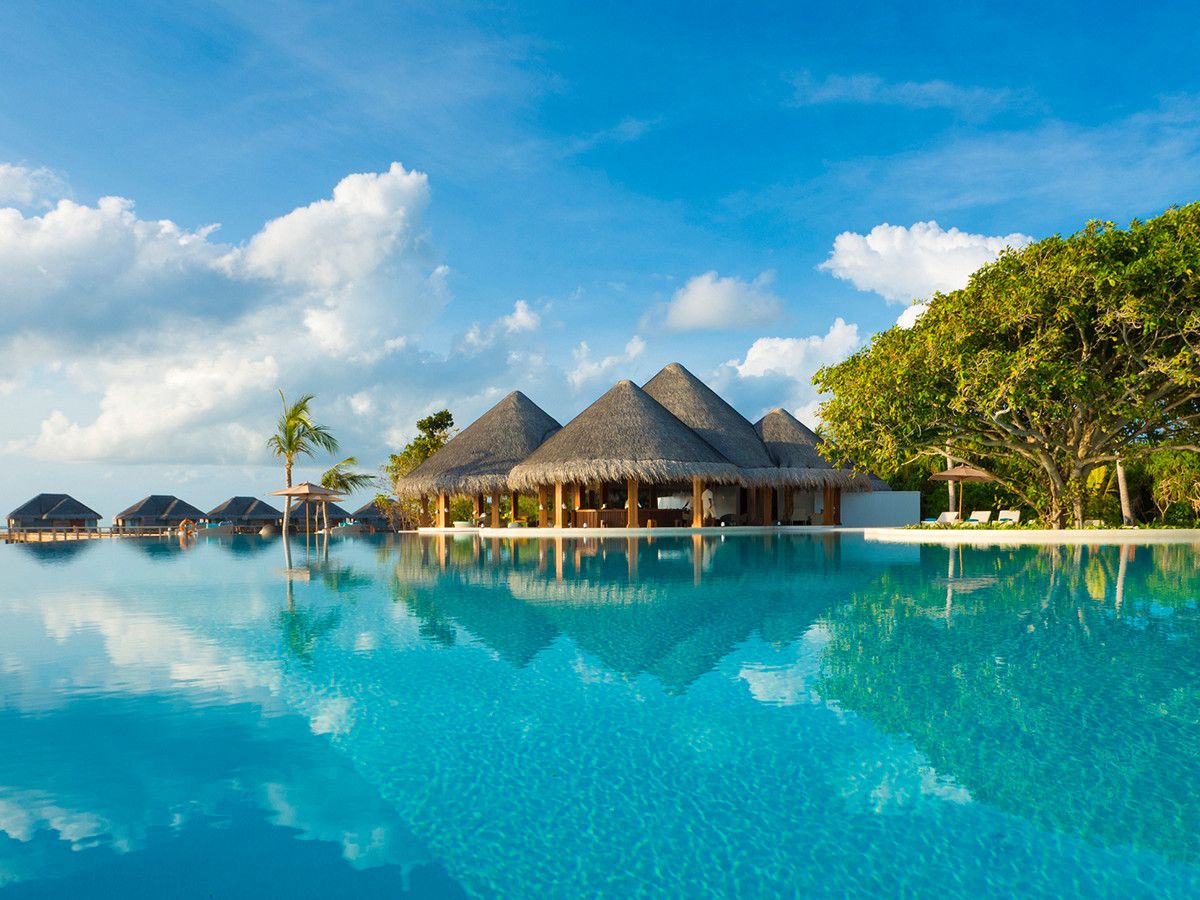
Hanifaru Bay, on the eastern edge of Baa Atoll, is a small funnel-shaped bay where tides and currents trap plankton. Its biggest feeding events often come between August and October, and activity tends to cluster around the full and new moons. September sits right in that window, but the wider season runs from about May to November and some weeks are quiet.
Hanifaru has been a Marine Protected Area since 2009 and is a core zone of the Baa Atoll UNESCO Biosphere Reserve. Scuba diving is banned because bubbles disturb the feeding mantas, so you can only snorkel inside the bay. You can still dive elsewhere in Baa.
The rules you should know:
Each entry token gives you 45 minutes in the water.
A licensed Hanifaru guide must lead your group, with a maximum of about 10 snorkellers per guide.
Only five boats can be in the bay at one time.
The visitor cap was set at 80 people, and more recent guidance puts it at 45. Check with your operator, as these limits can change.
The listed fee for the 2026 window (1 May to 1 December) was MVR 310, about US20or₹1,900.SomeguidesstillquoteuptoUS30.
Keep your distance, and don't touch, chase or block the mantas.
Rules and fees change, so confirm them with your resort or guide close to your trip.
Why your base in Baa matters
Trips run when rangers and guides judge conditions to be right, often at short notice. A day trip from a distant atoll can't react to that. You need to be close, with flexible days.
A Baa Atoll resort can usually arrange tokens and a guide for you, and many keep an eye on conditions through the season. On a smaller budget, the local island of Dharavandhoo is a few minutes from the bay by boat. Local excursions run around US60toUS80 per person (about ₹5,700 to ₹7,600) all in, and resort-run trips can cost far more.
Baa is about 30 to 35 minutes from Malé by seaplane, or two and a half to three hours by speedboat. In September, that seaplane is worth the money if your budget allows. A three-hour boat ride in a monsoon swell is hard on anyone who gets seasick.
If you can, time your stay around a full or new moon and book at least four or five nights. The longer you stay, the more tides you get.
Other places to see big animals
Baa isn't the only name on the list of places to visit in Maldives for marine life. In the monsoon months, mantas also gather at eastern sites closer to Malé, including Lankan Manta Point in North Malé Atoll and Embudhoo Express in South Malé Atoll.
For whale sharks, a south atoll Maldives resort in South Ari is the obvious base. The Maamigili area records sightings almost daily, all year. During the southwest monsoon they're more often seen around Dhigurah on the eastern side, and larger gatherings are often reported from August to November.
Look at the activity sheet
Most resorts hand out a weekly schedule, and low season is often when you get more time with the people running it. Depending on where you stay, you might find:
cooking classes or wine tastings
marine biology talks, which are worth attending before a manta trip
a library or reading lounge over the water
pottery or art sessions
a cinema evening
Resort programmes vary widely, so if rainy-day options matter to you, ask for the current activity list before you book. It's a quick email, and the answer tells you what a wet Tuesday would look like there.
If there's no lightning and the lagoon is calm, go for a swim. Warm rain on warm water is one of the better ways to spend a bad-weather hour.
Conclusion: is September right for you?
You should go if... | You should rethink if... |
A big saving matters more than perfect skies | Your plans depend on guaranteed sunshine |
You want to snorkel with mantas or see whale sharks | You want the clearest possible water |
You can stay flexible when boats are cancelled | You've built the trip around one sandbank day |
You like quiet islands | You or a travel partner get badly seasick |
You can book four or more nights | You only have a two-night stopover |
If you're close to the line, pick an island with a strong house reef and good indoor options. Then your holiday still works on the days when no boat leaves the jetty.
Some September days will look nothing like the postcards. You still get a five-star island at a far lower price, warm water, and the chance to float above feeding mantas. If that sounds like a good deal, book it, keep a few spare days in your plan, and leave plenty of time for your flight home.
FAQs
Is September a good time to visit the Maldives?
Yes, if you value lower prices and marine life over reliable sunshine. It's one of the wetter months of the year, so it's a weaker choice if good weather is your top priority. If you're looking for the best time to visit Maldives for sunshine, December to April is safer.
How many days does it rain in the Maldives in September?
Averages sit around 13 to 16 rain days, with roughly 175 mm to 240 mm of rain across the month. Most days with rain also have dry spells, but some days stay grey throughout.
Is the Maldives cheap in September?
It's one of the cheaper months for resorts, with discounts usually around 30% to 50% off peak rates. Flights, meals, transfers and taxes still add up, so compare the total trip price before you book.
Will I definitely see manta rays in September?
No one can promise that. Your odds are good in Baa Atoll, and Hanifaru Bay activity often peaks from August to October, but feeding events depend on tides, currents and plankton. Staying several days around a full or new moon gives you the best chance.
Planning this trip?
Tell us what you have in mind and a Many2Go consultant will get back to you with a tailored plan for Maldives.