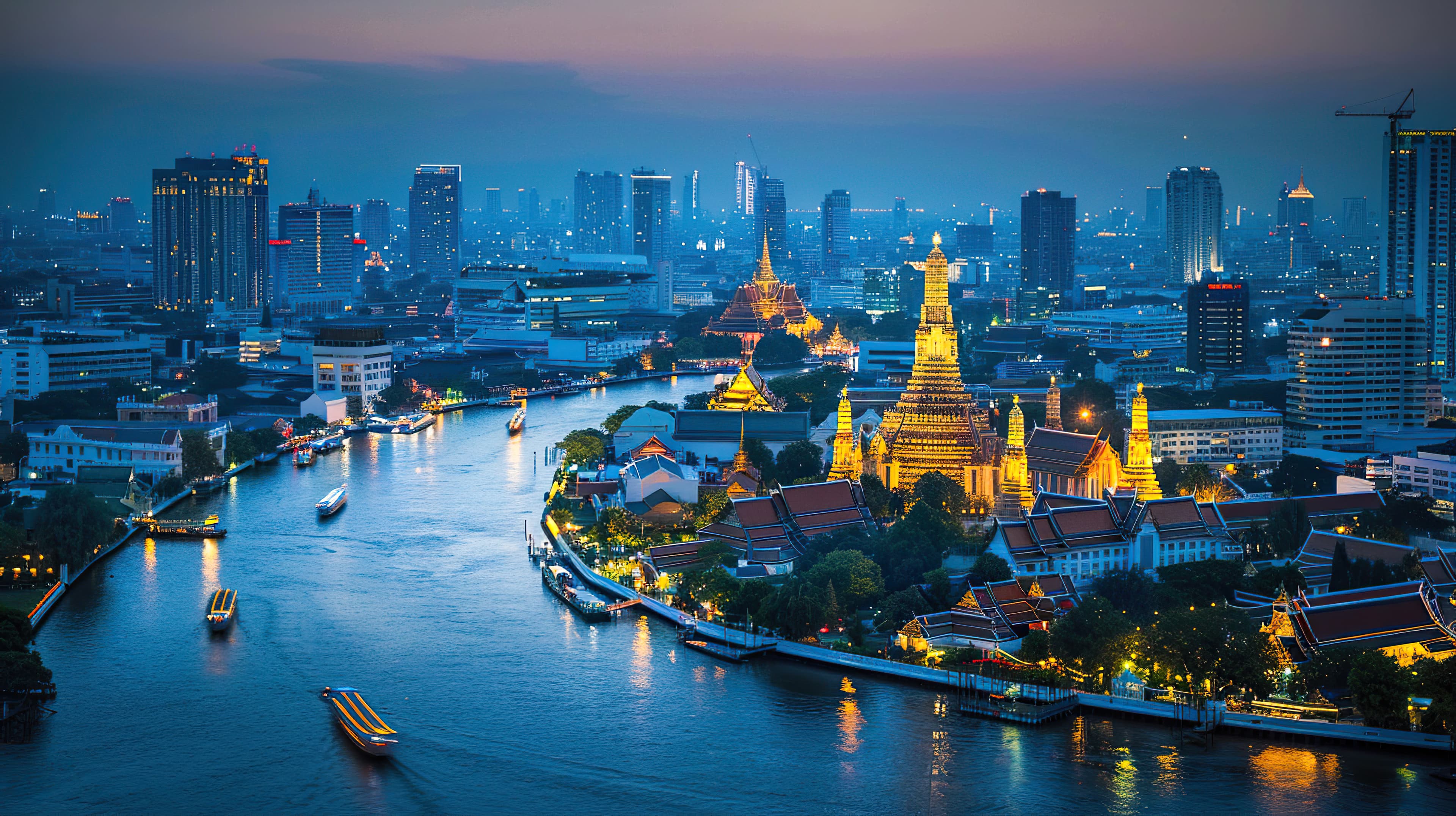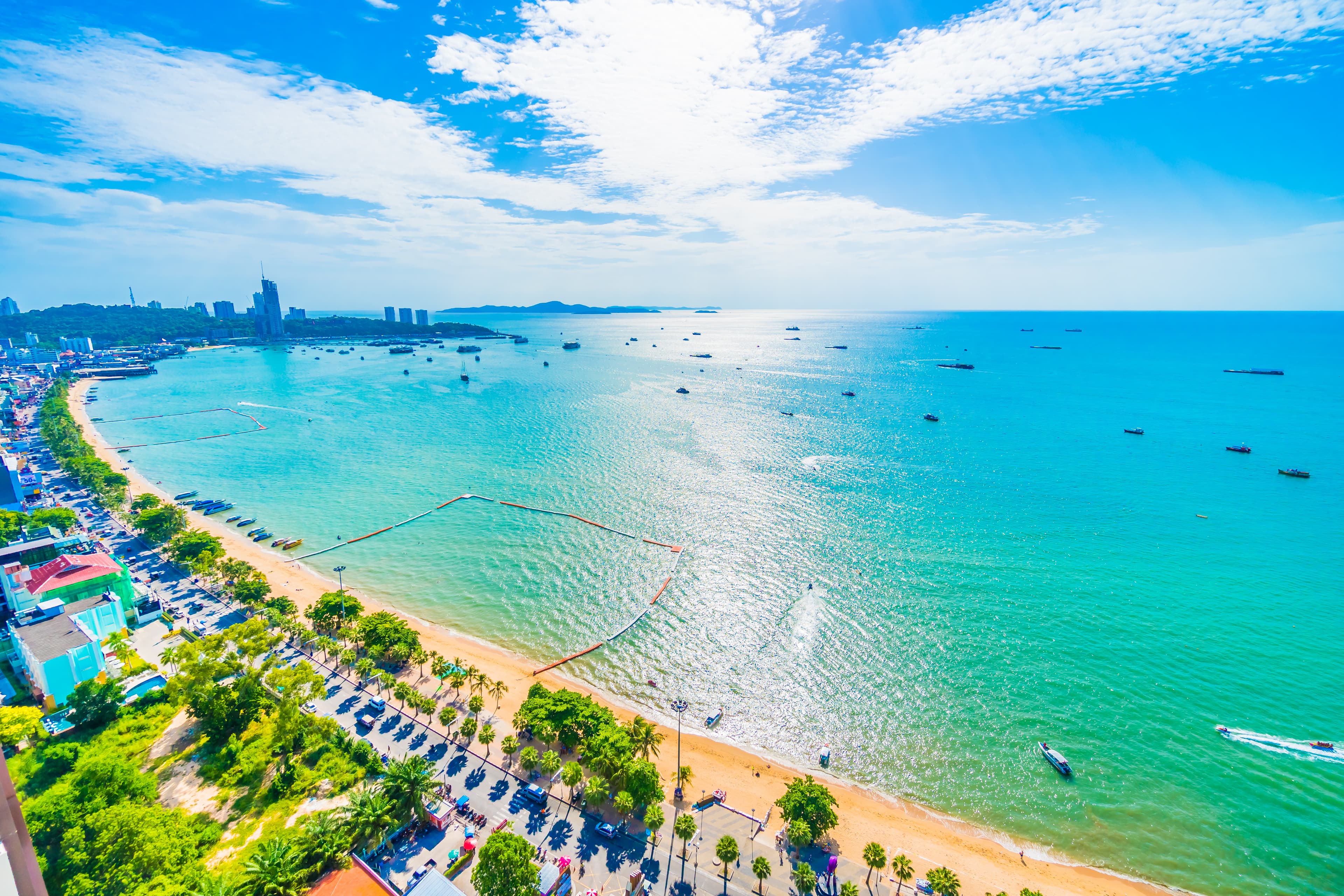
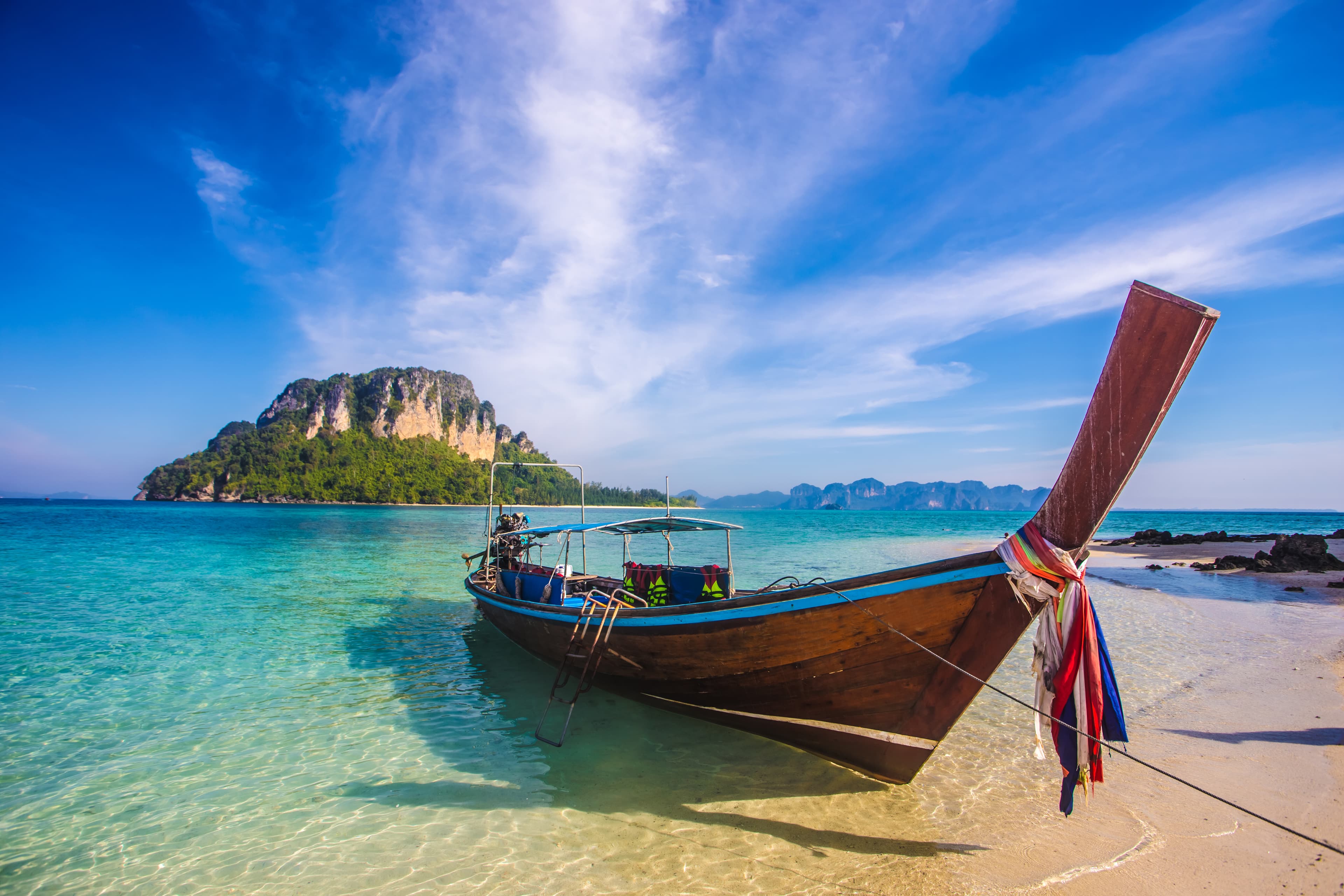
Ask ten people whether spring is a good time to visit Thailand and you’ll get ten different answers. One friend will tell you April was the best trip of their life because they spent three days soaked to the skin at Songkran. Another will say they couldn’t see the mountains in Chiang Mai through the smoke. A third will tell you they got a sea-view room on Koh Samui in May for half what it cost in January.
All three are right. Spring in Thailand is a season of big swings, and the trip you get depends on which month you pick and which part of the country you head to.
So instead of one verdict, this post goes month by month. For each one, you’ll get the places to visit in Thailand that work best that month, the things to do in Thailand that only happen in spring (Songkran, the mango harvest), and what to expect from the heat, the smoke and the prices.
Why Spring Is Thailand’s Most Misunderstood Season
A season in transition
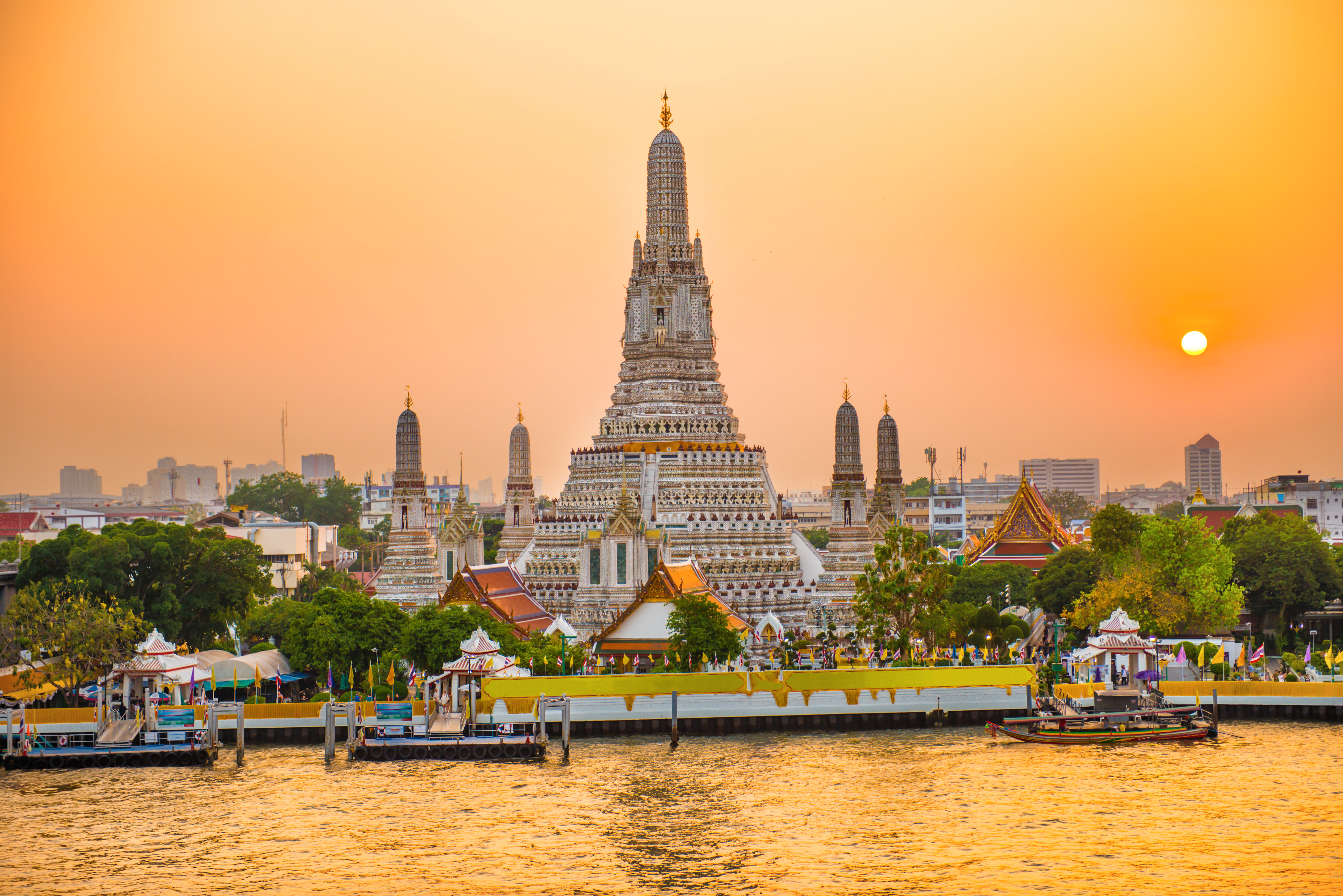
Thailand’s spring months (March, April and May) sit between two very different weather patterns. The cool, dry season that runs from November to February fades out in March. April brings the hottest weather of the year. By mid-May, the first monsoon showers start rolling in and the country slowly turns green again.
Lumping them together as “spring” hides how different they are. A beach day in early March and a beach day in late May can feel nothing alike.
Why people still choose spring
Most people who pick spring do it for one of these:
Songkran. Thai New Year (April 13 to 15) is the biggest festival on the calendar. UNESCO added it to its list of Intangible Cultural Heritage in 2023.
Fruit season. Mangoes, mangosteen, rambutan, lychee and durian all hit their peak between March and June.
Lower prices in May. Once the high season ends, hotel rates and flights drop noticeably, especially on the islands.
The trade-offs you should know about
And here’s what puts people off:
Heat. Inland temperatures in April regularly reach 38 to 40°C.
Smoke in the north. Northern Thailand goes through its “burning season” from roughly late January to April, with air quality at its worst in March.
Split weather on the coasts. The Andaman coast (Phuket, Krabi) and the Gulf coast (Koh Samui, Koh Tao) have opposite rain patterns. Pick the wrong side in May and you’ll get choppy seas.
All three are easy to work around once you know which month and region to avoid.
Month-by-Month Weather and Where to Go
Thailand in March: Warm, dry and calmer than high season
What the weather is like: It’s hot but not yet brutal. Daytime highs in Bangkok and Chiang Mai usually sit around 33 to 35°C, and the sea is about 29°C, which feels like bathwater.
Where to go:
The Andaman coast. Phuket, Koh Phi Phi and Krabi still have calm, clear water in March. It’s one of the best months for snorkelling and boat trips on this side.
Bangkok. The night markets start filling up with early-season mangoes and other fruit.
What it feels like: Crowds thin out after the January and February peak, but the weather is still reliable. If you want beach time without the April heat, March is your best bet.
Skip: Chiang Mai and the north, unless you’ve checked the air quality first. More on that below.
Thailand in April: Peak heat and peak party
What the weather is like: April is the hottest month across the country. Inland cities like Bangkok, Chiang Mai and Sukhothai regularly reach 38 to 40°C, and the humidity makes it feel hotter.
What’s happening: Songkran. From April 13 to 15, the whole country celebrates Thai New Year. In the cities, that means huge street water fights. In temples and homes, it means quieter traditions like pouring scented water over Buddha statues (Song Nam Phra) and over the hands of elders to ask for their blessing (Rod Nam Dam Hua).
Where to go: If the heat worries you, base yourself on the coast. Phuket and Koh Samui get sea breezes that make the afternoons bearable, and you can still join the Songkran celebrations there.
How to handle the April heat
Carry electrolyte tablets or sachets. Pharmacies like Boots and Watsons sell them, and so does every 7-Eleven.
Try Snake Brand prickly heat powder. It’s a menthol talc that Thais swear by, and it really does cool your skin.
Visit temples and outdoor sights before 10 am, rest indoors through the early afternoon, and head back out after 4 pm.
Drink water steadily through the day. Don’t wait until you feel thirsty.
Thailand in May: The start of green season
What the weather is like: Rain arrives around mid-May. For most of the month, it comes as short afternoon downpours that last 30 minutes to an hour, then clear up. Full days of rain are rare this early.
Which coast to pick: In May, the two coasts swap places.
The Gulf coast (Koh Samui, Koh Tao, Koh Phangan) is in its best dry stretch. Calm seas, good visibility and plenty of sunshine.
The Andaman coast (Phuket, Krabi, Koh Lanta) starts getting rougher seas and more rain. Some boat trips get cancelled, and some resorts on Koh Lanta close for the low season.
Why it’s good for budgets: Shoulder season pricing kicks in. Hotels on the islands and in Bangkok often drop their rates, and flight prices fall after the Songkran rush.
Average spring weather at a glance (approximate)
Destination | March high | April high | May high | Rain in May | Best spring month |
Bangkok | 34°C | 35-36°C | 34°C | Moderate, afternoon showers | March |
Chiang Mai | 35°C | 36-38°C | 34°C | Moderate | Late April to May (after the smoke clears) |
Phuket | 33°C | 33°C | 32°C | Heavy | March |
Koh Samui | 31°C | 33°C | 33°C | Light | May |
The Burning Season: Should You Visit Chiang Mai in Spring?
What causes the smoke
Every year, from around late January through April, Northern Thailand fills with haze. Farmers burn crop waste to clear fields, forest fires spread through the undergrowth, and the mountains around cities like Chiang Mai and Chiang Rai trap the smoke in the valleys.
The result is high levels of PM2.5, the tiny particles that get deep into your lungs. In March, the worst month, the air quality index often sits in the “very unhealthy” or “hazardous” range, with readings of 200 to 300 or higher on bad days.
Who should skip the north in March
Anyone with asthma, a heart condition or other breathing problems
Trekkers and anyone planning long days outdoors
Photographers hoping for mountain views
If you still want to go
You can make a short visit work:
Keep your stay to one to three days.
Spend most of your time indoors: air-conditioned cafés, coworking spaces, museums and temple interiors.
Bring a proper N95 mask, not a cloth one.
Check the air quality every morning before you plan your day.
Apps for checking air quality
IQAir AirVisual: shows real-time readings and forecasts for most Thai cities
Air4Thai: the Thai government’s own air quality app
A better alternative
If your dates fall in March, head south instead. Phuket, Krabi and Koh Samui get steady sea breezes and the air stays clean. You can save the north for a trip between November and January, when the mountains are clear and the mornings are cool.
Songkran Guide: Traditions, Water Fights and Staying Safe
Where Songkran comes from
Songkran marks the sun moving into Aries, which traditionally signals the start of the new year in Thailand. UNESCO added it to its Intangible Cultural Heritage list in 2023.
Before it became the world’s biggest water fight, Songkran was a family and temple festival, and those traditions are still very much alive. On the morning of the 13th, you’ll see people:
Giving alms to monks at dawn
Building small sand stupas (Phra Sai) in temple grounds
Pouring jasmine-scented water (nam ob) over Buddha statues
Gently pouring water over the hands of parents and grandparents to show respect and receive their blessing
If you can, catch some of this in the morning before the water fights start. The water fights make more sense once you’ve seen where they come from, and catching both sides of Songkran in one day is one of the best things to do in Thailand in April.
Where to celebrate
Bangkok: Khao San Road is the wildest. Silom Road gets packed with locals and expats. Siam Square has big organised events with stages and music.
Chiang Mai: The moat around the Old City turns into one long water fight, with people scooping water straight out of the canal. By mid-April the burning season is usually easing, but check the air quality first.
Phuket: Patong Beach and Bangla Road go all out.
Pattaya: Celebrations run longer here. The local version, called Wan Lai, usually happens around April 18 to 19, so you can catch a second round after the main holiday.
Spring Island Hopping: Andaman Coast vs Gulf Coast
The simplest rule for spring: Andaman in March and early April, Gulf in late April and May.
March and April: The Andaman coast
Phuket works for almost everyone. You get big Songkran parties at Patong, the colourful shophouses of Phuket Old Town, and easy day trips by boat to the limestone islands of Phang Nga Bay.
Koh Phi Phi and Koh Lanta are where you go for dramatic cliffs, snorkelling and quieter beaches. Go in March or early April, before the weather starts turning in late April.
May: The Gulf coast
Koh Samui is the easiest pick for May. It has the widest range of resorts, good roads and enough to do on land (waterfalls, markets, cafés, the Big Buddha) that a passing shower won’t spoil your day. It’s also a favourite with couples, which is why you’ll see it in so many Thailand honeymoon packages. If you’re booking one for spring, a May date on Samui gets you calm seas and lower resort rates than the winter months.
Koh Tao is one of the cheapest places in the world to get your scuba certification, and the water around the island is usually clear in May.
Koh Phangan is known for the Full Moon Party, but outside party dates, the quieter beaches on the north coast are a great base for yoga retreats and slow days. Check the full moon calendar before you book if you’d rather avoid the crowds, or if you want to be there for it.
Which island suits you in spring?
Island | Best month | Best for | Vibe | Budget |
Phuket | March, April | Songkran, day trips, nightlife | Busy, lots to do | Mid to high |
Koh Phi Phi | March | Scenery, snorkelling | Small, lively | Mid |
Koh Lanta | March | Quiet beaches, families | Laid-back | Low to mid |
Koh Samui | May | Resorts, couples, families | Comfortable, varied | Mid to high |
Koh Tao | May | Diving, snorkelling | Young, active | Low to mid |
Koh Phangan | May | Yoga, wellness, Full Moon Party | Mixed: party and peaceful | Low to mid |
Spring Fruit Season: What to Eat and How to Buy It
Why spring is the best time for fruit
From March to June, Thailand’s main fruit harvests overlap. Markets and street carts fill up, prices drop and the quality is at its best. If you love fruit, it’s worth planning the trip around.
What to look for
Mango (especially Nam Dok Mai): Sweet, fragrant and best eaten as mango sticky rice, with warm coconut cream poured over the top.
Mangosteen (mangkhut): Often called the “queen of fruits.” Press the purple shell with your thumbs until it cracks open, then eat the soft white segments inside.
Rambutan (ngoh): Red and hairy on the outside, juicy and a bit like lychee on the inside.
Lychee: Mostly from the north, in season from around April to May.
Durian: The famous “king of fruits,” with a smell people either love or hate. If you’re trying it for the first time, start with Monthong, which is creamy and mild. Once you’re hooked, try heritage varieties like Chanee, which have a stronger, more complex flavour. Note that most hotels and public transport ban durian, so eat it at the market.
How to buy fruit like a local
Fruit is usually sold by the kilo or in pre-cut bags (around 20 to 40 baht a bag from street carts).
Ask “Aroi mai?” (Is it good?) and many vendors will offer you a taste.
Try your fruit with prik kub klua, the little packet of sugar, salt and dried chilli that comes with cut fruit. It sounds odd on mango or pineapple, but it works.
Handy Thai phrases at the fruit stall
Aroi mai? = Is it tasty?
Tao rai? = How much?
Lot dai mai? = Can you give a discount?
Kor nueng kilo = One kilo, please
Mamuang = Mango
Mangkhut = Mangosteen
Thurian = Durian
The Bottom Line
Most spring trips to Thailand that go wrong go wrong for the same reason: the right place in the wrong month. Phuket in late May. Chiang Mai in March. Get the month and the coast right and most of the problems disappear.
Quick takeaways:
Thailand in March is best for the Andaman beaches. Avoid the north because of the smoke.
Thailand in April means peak heat and Songkran. Stay near the coast and plan your days around the heat.
Thailand in May is the time for the Gulf islands and lower prices, with short afternoon showers.
Fruit season runs all through spring, so eat as much mango and mangosteen as you can.
Pack for heat and water. Light clothes, electrolytes, reef-safe sunscreen and a waterproof pouch cover most of what spring throws at you.
If you only remember one thing, make it this: Andaman early, Gulf late, and stay out of the north until the smoke clears.
Planning this trip?
Tell us what you have in mind and a Many2Go consultant will get back to you with a tailored plan for Thailand.