

If you have been staring at Maldives photos and trying to work out the best time to visit Maldives, most travel planners will point you to March first.
It is the tail end of the dry season, a couple of months before the southwest monsoon drifts in around May. Days sit between 28°C and 31°C, the sea is calm, and underwater visibility often goes past 25 to 30 metres. If you snorkel or dive, that last number matters more than the others.
The catch is that everyone else knows March is good too. Spring Break in the US, school holidays in Europe and Easter all push demand up, and resorts price accordingly. Book late and pick the wrong island, and you can easily pay 30% more than the person in the villa next door.
This guide covers what the weather is like, what a trip costs once the taxes land on your bill, where to see whale sharks and mantas, and the logistics that catch first-timers off guard: seaplane timings, baggage limits and Ramadan dates.
Quick takeaway
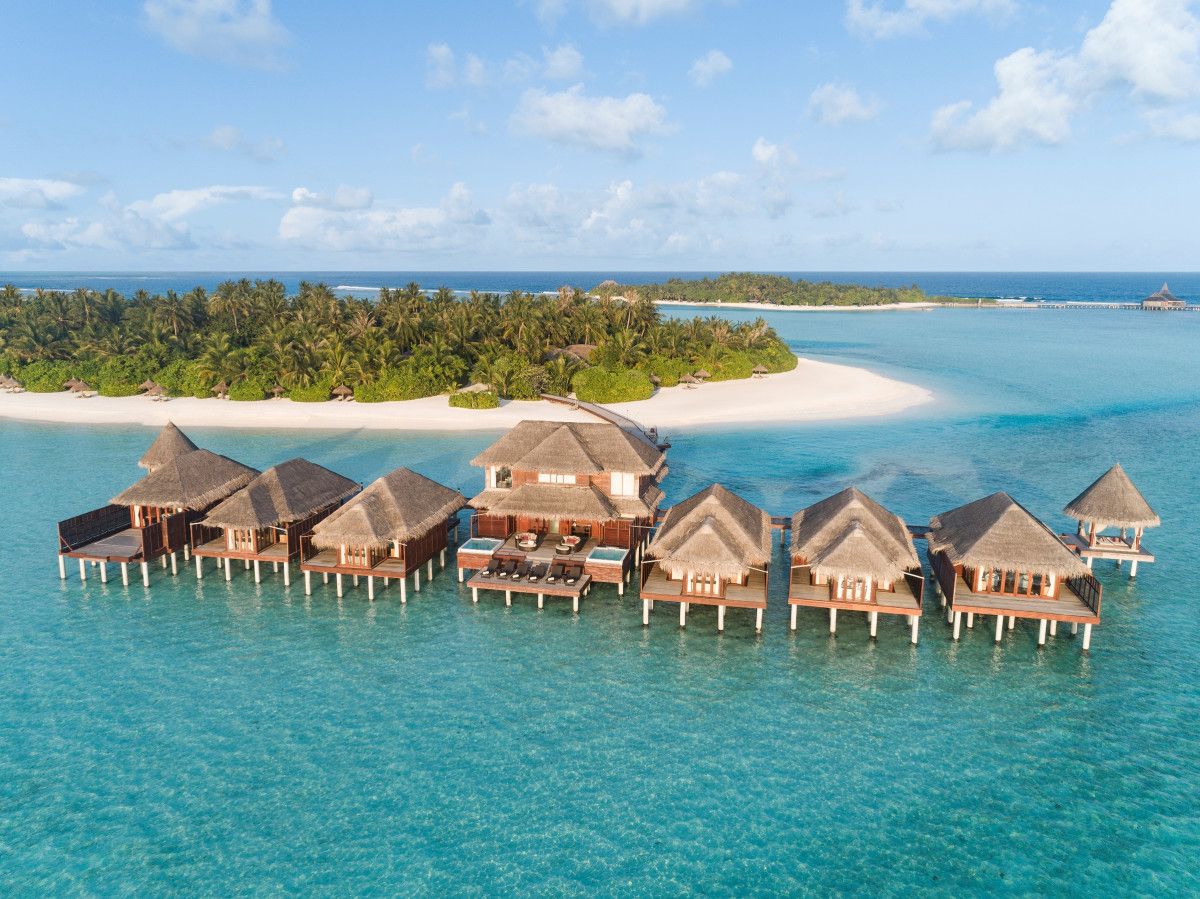
Weather: around 31°C by day, roughly 6 rain days in the month and about 9 hours of sun a day, which makes it one of the most reliable months of the year.
Sea: calm and warm (28°C to 30°C) with peak visibility, so snorkeling, diving, kayaking and paddleboarding are all at their best.
Cost: peak season pricing. Budget about ₹80,000 per person for 5 days on a local island, or ₹2,20,000 to ₹3,00,000+ for a resort with seaplane transfers (international flights not included).
Hidden costs: 17% tourism tax, 10% service charge and a Green Tax of 12perpersonpernightatresorts(6 at small guesthouses).
Logistics: seaplanes only fly in daylight. If you land in Malé after about 3 PM, plan a night in Hulhumalé.
Ramadan: in 2027 it is expected to end around 8 to 9 March. Resorts are unaffected; local islands are quieter during the day.
Saving money: stay at a local island guesthouse, or book a resort for the second half of March with taxes and transfers confirmed in writing.
March weather and ocean conditions
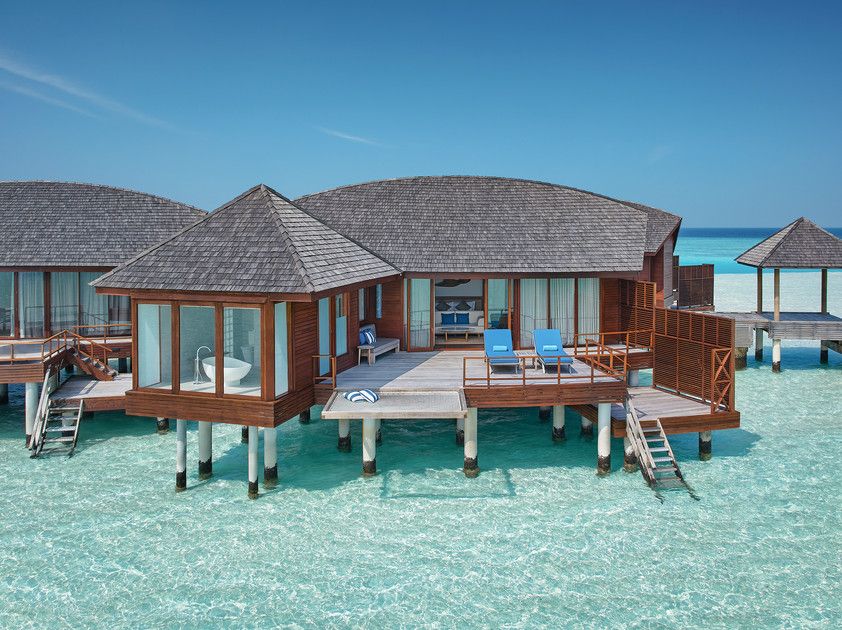
Climate and daily weather
March is hot, but the sea breeze stops it from feeling sticky most of the time.
Daytime temperature: highs average around 31°C (88°F). Evenings cool to about 26°C to 28°C, which is comfortable for dinner on the beach.
Rain and sun: expect around 6 days with some rain across the whole month. These are usually short tropical showers that pass in 20 to 40 minutes, and you still get about 9 hours of sunshine a day.
Humidity: around 70% to 80%, creeping up a little toward the end of the month as the season starts to turn.
Sea temperature: 28°C to 30°C (82°F to 86°F). You can stay in the water for an hour without getting cold.
Ocean and water conditions
The northeast monsoon is still in charge in March. It brings steady, gentle winds and flat water on most of the popular atolls, so snorkeling straight off the beach or villa deck is easy, even for nervous swimmers. Paddleboarding and kayaking are best in the morning before the breeze picks up. Surfers get something too, since March is when the Maldivian surf season starts and the breaks around North Malé Atoll begin working.
March vs wet season at a glance
Metric | March | June to August (wet season) |
Average high | 31°C | 30°C |
Sea temperature | 28°C to 30°C | 28°C to 29°C |
Rain days | ~6 | 12 to 16 |
Daily sunshine | ~9 hours | 6 to 7 hours |
Underwater visibility | 25 to 30+ m | 15 to 20 m |
Sea state | Calm | Choppier, more swell |
The temperature barely moves across the year. The rain, the sunshine hours and the water clarity are what change.
If your dates don't line up with March, Maldives in January and Maldives in February give you much the same dry, sunny weather, and February is often the driest month of the lot. March adds slightly warmer water and the start of the surf season.
Costs, crowds and resort pricing in March
Peak pricing and the late-March window
March sits firmly in the peak pricing band. Demand from Europe, the US and India stays high all month.
Rates often soften in the last week of March as resorts start moving toward shoulder-season pricing, but check the calendar for your year. In 2027, Easter Sunday falls on 28 March, so that final week may stay expensive. If you are flexible, compare quotes for the second and third weeks before you lock anything in.
Budget tiers: local island guesthouse vs private resort
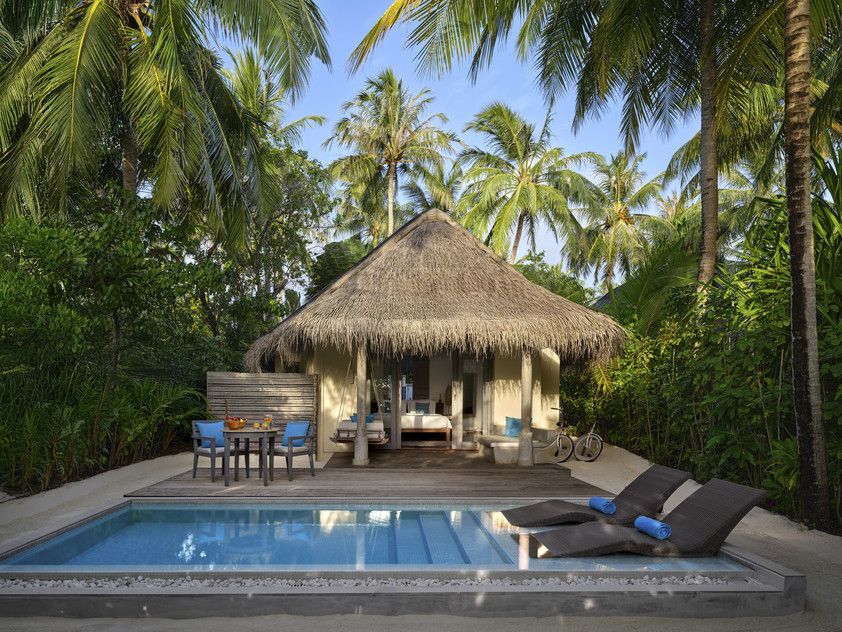
Here is roughly what 5 days in March costs per person, excluding international flights.
Local island guesthouse | Luxury private resort | |
Room | Guesthouse double room, breakfast included | Overwater villa, half board or full board |
Transfer from Malé | Public ferry or shared speedboat | Seaplane |
Activities | Snorkel trips, sandbank day, picnic island | Resort dives, spa, private excursions |
Approx. 5-day cost | ~₹80,000 ($900) | ₹2,20,000 to ₹3,00,000+ ($2,500 to $3,500+) |
Alcohol | Not available on local islands (except on liveaboards or resort day trips) | Available |
Diving and snorkeling in March: is it worth it?
If underwater life is even part of the reason you are going, March is one of the best months for it.
Visibility and marine life
Visibility: at its yearly peak, often 25 to 30 metres or more, so you can see the reef wall dropping away well below you.
Whale sharks: South Ari Atoll, especially around Dhigurah Island, has sightings all year. A local operator in Dhigurah or a resort in South Ari gives you the best odds.
Manta rays: during the northeast monsoon, mantas gather at cleaning stations across the central atolls, and Ari Atoll is a reliable bet. March is outside the Hanifaru Bay feeding season in Baa Atoll, which peaks from June to October, so don't book Baa expecting the big manta gatherings.
Sharks in the deep south: Fuvahmulah is the place for experienced divers. Tiger sharks are seen there through the year, and March brings good drift diving with chances of thresher and hammerhead sharks.
Coral spawning
The yearly coral spawning in the Maldives often happens around the full moon after the March or April equinox. For a night or two, corals release clouds of eggs and sperm into the water at the same time. Nobody can predict the exact night, so treat it as a lucky bonus and not a reason to book specific dates. Ask your resort's dive centre whether they run night dives around the full moon.
March marine life checklist
Marine life | Where to go in March | Chance |
Whale sharks | South Ari Atoll (Dhigurah) | Good |
Manta rays | Ari Atoll cleaning stations | Good |
Reef sharks | Most atolls, house reefs | Very good |
Tiger and thresher sharks | Fuvahmulah | Good for advanced divers |
Coral spawning | Around the full moon after the equinox | Possible |
Airport transfers and practical logistics
Getting from Velana International Airport (MLE)
You can't walk out of the airport and grab a boat to your resort. Transfers are booked through the resort, and a resort rep meets you at arrivals.
Speedboats: around $100 to $250 per person, round trip. They run 24/7 and cover resorts in North and South Malé Atolls.
Seaplanes: around $400 to $820 per person, round trip, needed for resorts in the mid-distance and far atolls like Baa, Lhaviyani and parts of Ari.
If you are staying on a local island, public ferries are the cheapest option but run on fixed timetables, and some routes don't run every day. Shared speedboats cost more but save hours.
Seaplane daylight hours and baggage limits
Seaplanes only fly in daylight because they land on open water. Flights run from roughly 6 AM until 3:30 or 4 PM.
If your international flight lands after about 2:30 to 3 PM, you will likely miss the last seaplane and need a night in Malé or Hulhumalé, plus a hotel booking you didn't plan for. Check your arrival time before you pay for the resort.
Your flight lands | What happens |
Before 12 PM | Same-day seaplane, no problem |
12 PM to 2:30 PM | Usually fine, but confirm with the resort |
After 2:30 to 3 PM | Plan an overnight in Hulhumalé |
Speedboat resort, any time | No overnight needed |
Baggage limits are tight: usually 20 kg checked plus 5 kg hand luggage per person. Excess is charged at about $5 per kg, and heavy bags can be sent on a later flight, so your suitcase may reach the villa after you do. Pack light, or keep a swimsuit and essentials in your hand bag.
Travelling to the Maldives during Ramadan
The Maldives is a Muslim country, and Ramadan shifts about 10 to 11 days earlier each year. In 2027 it is expected to run from around 8 February to 8 or 9 March, with Eid al-Fitr right after. If you travel in the first week or so of March 2027, you will overlap with the end of it. From mid-March it won't affect you.
Private resorts vs local islands
On private island resorts, nothing changes. The Maldives runs on a "one island, one resort" model, so restaurants, bars, the spa and excursions carry on as normal.
Local inhabited islands are where you will notice it. Many cafés and restaurants close during the day and open at sunset for Iftar. As a guest, avoid eating, drinking or smoking in public before sunset. Your guesthouse will still serve you breakfast and meals inside.
Local islands are calmer during Ramadan, and some resorts run Ramadan promotions. Evenings are lively, with streets and markets filling up after sunset.
Top things to do in the Maldives in March
Calm seas and clear skies make March good for anything on the water. Most lists of things to do in Maldives are written for the whole year, so here are a few experiences that are especially good this month:
Sunset dhoni cruise: a slow ride on a traditional wooden boat as the sun drops into the Indian Ocean. Spinner dolphins often show up and leap alongside the boat.
Sandbank picnic: many resorts and guesthouses can drop you on a tiny sandbank for a few hours. Some resorts set up candlelit dinners on one after dark, and it often comes bundled into a Maldives honeymoon package, so ask before paying for it separately.
Underwater dining or a spa session: a few resorts have glass-walled restaurants below the sea. If that is out of budget, a couples' spa treatment over the water costs less.
Half a day in Malé: the capital rarely makes it onto lists of places to visit in Maldives, but it is worth a few hours. If you have a layover, walk to the Old Friday Mosque (Hukuru Miskiy), built from coral stone in the 1600s, then explore the local fish and fruit markets.
Conclusion
March gives you about the most dependable weather the Maldives has, warm clear water, and good odds of seeing whale sharks, mantas and reef sharks.
You also pay peak rates, so work out your real number before you book. Add the 17% TGST, the 10% service charge and the Green Tax, check that your flight lands early enough for the seaplane, and consider whether a local island stay gives you most of the experience for a fraction of the cost.
In short: go in March if you want the best weather and visibility of the year, book early, confirm every quote includes taxes and transfers, and look at the second or third week if you want slightly better rates.
Frequently asked questions
Is March a good time to visit the Maldives?
Yes, it is one of the best. You get around 31°C, only about 6 rain days in the month, calm seas and some of the clearest water of the year. The main downside is peak season pricing.
Does it rain in the Maldives in March?
A little. Expect around 6 days with some rain across the month, mostly short showers that clear within an hour, so they rarely ruin a day.
Do I need a visa for the Maldives?
All nationalities get a free 30-day tourist visa on arrival. You need a passport valid for at least 6 months, a confirmed hotel or resort booking, and a return or onward ticket. You also have to fill in the online IMUGA traveller declaration within 96 hours before your flight.
Planning this trip?
Tell us what you have in mind and a Many2Go consultant will get back to you with a tailored plan for Maldives.


